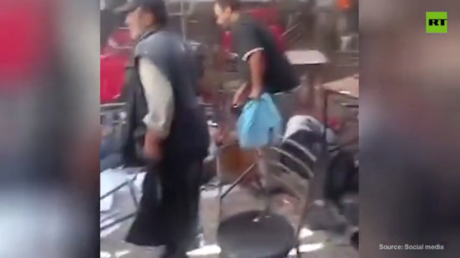
Summer in southern France used to mean lavender fields, crisp rosé, and lazy days on the French Riviera. Now, it frequently means evacuation sirens and thick blankets of black smoke. The recent devastating wildfires that scorched parts of the region did more than burn through dry brush. They tore through crowded tourist campsites and sent flames creeping terrifyingly close to luxury yachts docked in Mediterranean marinas.
If you think this is just a freak weather event, you're missing the bigger picture. Climate patterns shifted. The Mediterranean basin is heating up much faster than the global average. This isn't a temporary problem that a rainy spring will fix. It's a fundamental restructuring of what travel looks like in southern Europe.
The immediate reality is brutal. Thousands of holidaymakers had to flee their tents and campervans in the middle of the night, leaving belongings behind to escape fast-moving walls of fire. Local emergency services, including hundreds of firefighters and water-bombing aircraft, worked around the clock to contain the blazes. While emergency crews deserve massive credit for preventing widespread casualties, the economic and psychological toll on the region is massive.
The Reality of Wildfires Scorching Southern France
We need to talk about why these fires are getting so aggressive. Southern France has always dealt with summer fires, but the intensity changed. Months of severe drought combined with fierce Mistral winds create a tinderbox. A single spark from a discarded cigarette, a dragging trailer chain, or a poorly managed campfire can ignite a blaze that consumes hundreds of hectares in hours.
The scary part is where these fires are hitting. They aren't confined to remote mountain ridges anymore. They are pushing directly into coastal tourist hubs. When flames engulf yachts and tourist campsites, it changes the conversation from a forestry issue to an immediate public safety crisis. Campsites are packed with highly flammable tents, caravans, and propane tanks. Marinas trap expensive vessels and people against the water with limited escape routes.
Local prefectures regularly issue high-alert warnings, blocking access to popular forests and mass-evacuating areas at the first sign of smoke. It's a necessary defense mechanism. Still, it leaves business owners devastated and tourists stranded in temporary gymnasiums turned into emergency shelters.
Why the Tourism Industry Is Scrambling
The economic engine of the French Riviera relies heavily on peak summer traffic. But operating a business under the constant threat of evacuation is becoming untenable. Campsite operators face a massive dilemma. Do they invest heavily in clearing massive firebreaks and installing high-tech monitoring systems, or do they accept that some zones might become uninsurable?
Insurance companies are already recalibrating their risks. Just like parts of California or Florida, certain high-risk zones in southern Europe are seeing skyrocketing premiums. If a campsite burns down, getting the payout to rebuild to the same standard isn't guaranteed anymore.
Travelers are also changing their habits. The smart ones don't book mid-August trips to the driest parts of the Var or Bouches-du-Rhône regions without a solid cancellation policy. They look at shoulder seasons instead. May, June, and September offer safer conditions and cooler weather, making them far more attractive than the risky, scorching summer peak.
How to Protect Your Mediterranean Travel Plans
You don't need to cross southern France off your bucket list entirely. It's still one of the most beautiful places on Earth. You just need to stop planning trips like it's 1995. The climate changed, and your travel strategy has to change with it.
First, download local emergency apps before you cross the border. The French government uses systems like FR-Alert, which sends real-time notifications and instructions straight to your phone based on your location, even if the network is congested. Pay attention to the daily wildfire risk maps published by Météo-France. If a forest region is marked red, stay out. It's illegal to enter, and it's incredibly dangerous.
Second, re-examine your travel insurance policy. Most standard policies cover trip cancellation due to natural disasters, but the fine print matters. Look for "cancel for any reason" coverage if you want the flexibility to pull the plug on a trip because a massive fire is burning twenty miles away from your hotel. Once a fire is actively burning, it's too late to buy coverage for it.
Finally, shift your geography or your timing. Explore the French Alps or the northern coast during July and August. If your heart is set on the south, book your trip for late spring or early autumn. You'll get cheaper rates, fewer crowds, and a significantly lower chance of spending your vacation wrapped in an emergency blanket inside a municipal sports hall.