The federal government is locking horns with state prosecutors over who gets to regulate the explosive multibillion-dollar prediction market industry. By stepping directly into the fray to defend crypto-fueled event betting, the Trump administration is attempting to strip state governors and attorney generals of their historical jurisdiction over gambling. The outcome of this bureaucratic turf war will determine whether speculative wagering on geopolitical conflicts, elections, and corporate decisions becomes a permanent, federally protected fixture of the American financial system or remains a target for local criminal prosecution.
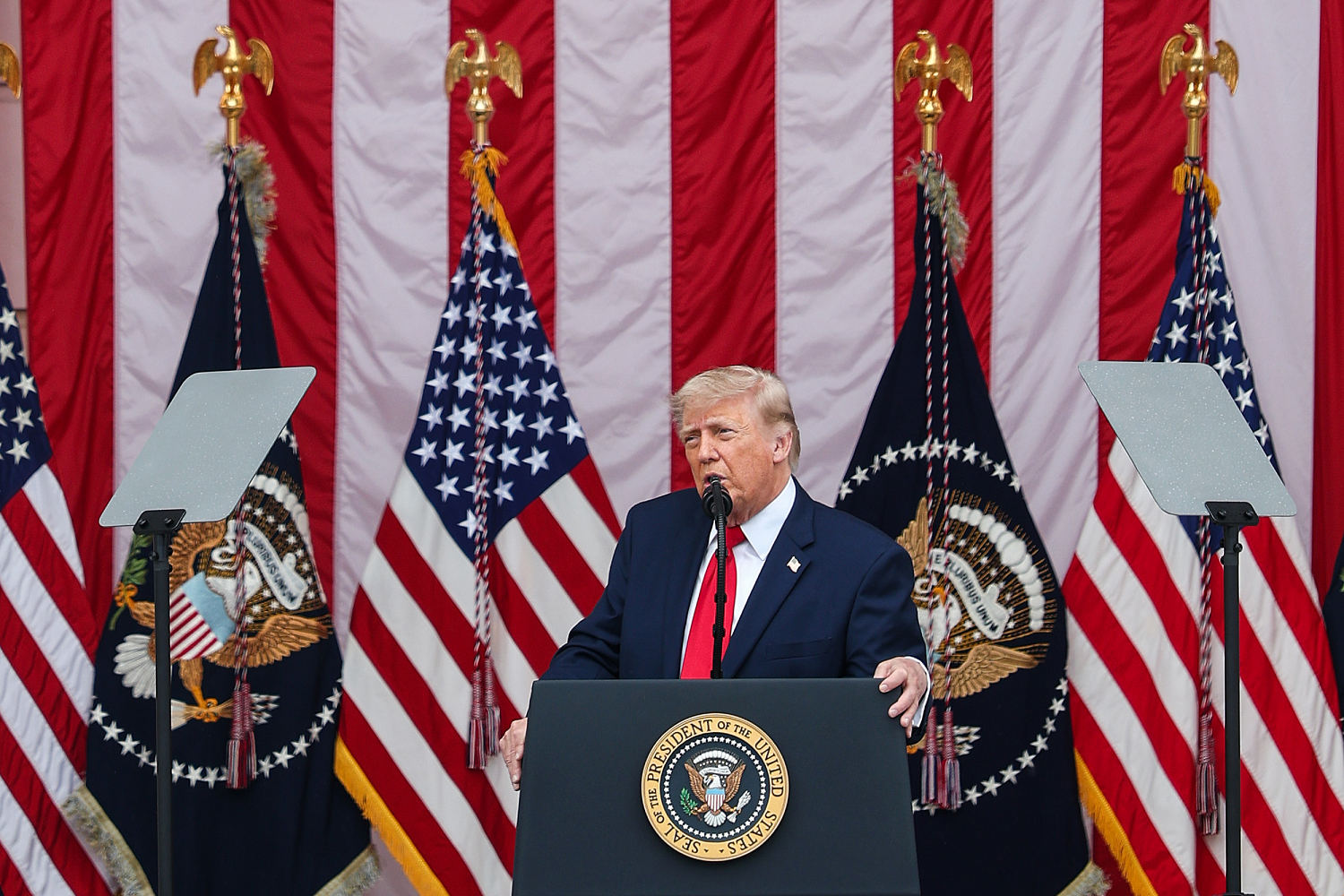
The escalation peaked when President Donald Trump declared that the federal government must retain exclusive control over prediction platforms, lashing out at state officials who are moving to ban them. The administration is using the Commodity Futures Trading Commission (CFTC) as a legal battering ram. The agency has launched federal lawsuits against Minnesota, Wisconsin, Illinois, Connecticut, and Arizona, arguing that state-level bans and criminal charges violate the US Constitution by interfering with federally overseen financial instruments.
The Constitutional Turf War Over Event Contracts
At the heart of the conflict is a fundamental disagreement over what these platforms actually do.
States look at Kalshi and the crypto-based Polymarket and see unlicensed, untaxed digital casinos. Local lawmakers argue that letting retail users wager millions on the outcome of a supreme court ruling, a military strike, or a corporate CEO termination is simply gambling under a different name. Minnesota Governor Tim Walz recently signed a bipartisan total ban on these platforms, leading state regulators to claim the apps prey on vulnerable populations while contributing nothing to state tax coffers.
The White House and the CFTC view the situation through an entirely different lens. They classify these wagers as swaps, a type of financial derivative. Under federal law, the CFTC claims exclusive jurisdiction over derivatives markets, meaning its authority supersedes the ability of individual states to intervene. CFTC Chairman Michael S. Selig argued that state bans turn lawful participants into felons overnight, comparing Minnesota's legislative ban to an attempt to ban the New York Stock Exchange.
This legal maneuvering has created a profound regulatory paradox. While a standard online sportsbook like DraftKings must comply with a patchwork of strict state-by-state licensing laws and pay heavy local gaming taxes, prediction markets are attempting to bypass the state level entirely by securing a federal umbrella.
Conflict of Interest and Capital Flight
The political willpower behind this federal push cannot be divorced from the financial and familial ties binding the industry to the current administration.
Donald Trump Jr. serves as a strategic advisor to Kalshi and holds financial investments in Polymarket through his venture capital firm. Critics argue that the administration is weaponizing federal regulatory agencies to protect private family financial interests and shield favored tech firms from local law enforcement. The administration counters this by framing the issue as one of global macroeconomic competitiveness. White House officials argue that if the United States does not provide a permissive, unified regulatory framework for these markets, capital and technological innovation will flee to offshore jurisdictions.
The scale of the money involved explains why the stakes are so high. Weekly trading volume on Kalshi has spiked from $100 million last year to more than $3 billion. Polymarket, which operates on blockchain infrastructure and settles trades in cryptocurrency, regularly clears monthly volumes exceeding $10 billion.
The Dark Side of Synthetic Truth
While Washington fights the states over legal jurisdictions, the day-to-day operations of these platforms are creating unprecedented ethical and security crises.
Because prediction markets reward accurate information, they have become a magnet for individuals with access to classified data. The platform mechanics incentivize insider trading on a global scale. A US soldier was recently prosecuted for using classified military intelligence to trade on political and military outcomes involving Venezuela. Separately, an Israeli air force pilot faced prosecution for allegedly leaking details of upcoming airstrikes to an accomplice who used the information to profit off a Polymarket betting pool during a Middle East conflict.
Furthermore, the sheer volume of capital concentrated in these markets gives wealthy participants the power to alter reality rather than just predict it. Because a massive influx of capital can shift the implied probabilities of an event, bad actors can use heavy financial backing to create a false narrative or influence public perception before an election or major policy decision.
Data compiled by the Anti-Corruption Data Collective revealed that fewer than 1% of digital wallets capture roughly half of all profits on Polymarket, turning the concept of a decentralized wisdom-of-the-crowds platform into an ecosystem dominated by a handful of ultra-wealthy insiders. In some cases, this financial pressure has translated into real-world intimidation. Journalists covering foreign conflicts have reported receiving death threats from online bettors demanding articles be altered because the factual reporting threatened multi-million-dollar wagering pools.
Congressional Blowback and the Path Forward
The White House effort to establish the CFTC as the sole referee faces deep resistance inside Congress, cutting across traditional party lines.
The Senate recently passed an internal measure banning its own members and staff from trading on these platforms to prevent the monetization of non-public legislative insights. On the House side, the Committee on Oversight and Government Reform launched a sweeping investigation into both Kalshi and Polymarket, focusing specifically on the structural inadequacy of their insider trading safeguards. Lawmakers are introducing bills aimed at prohibiting federal campaign funds from being used to place wagers and seeking blanket bans on markets tied to elections, sports, and active military operations.
The immediate battlefield, however, remains the federal court system. If federal judges rule that the CFTC does not possess exclusive jurisdiction over these event contracts, the entire industry will be forced to dismantle its unified national model and face the same grueling, state-by-state regulatory gauntlet that governs traditional sports betting. Wall Street and Silicon Valley are watching closely. The administration has made its opening move by suing the states, but a single adverse ruling from a federal judge could instantly criminalize the country's fastest-growing speculative market across vast swaths of the American map.