The room was thick with tension on April 18, 2026. Inside the White House, an emergency meeting wasn't just about strategy or sanctions—it was about the ultimate deterrent. Former CIA analyst Larry Johnson recently dropped a bombshell claim that's shaking Washington to its core. He alleges that Donald Trump seriously entertained the idea of using nuclear weapons against Iran during the height of the recent conflict.
You've probably heard the rumors of "fire and fury" before, but this feels different. According to Johnson, this wasn't just campaign trail rhetoric. It was a live discussion during a high-stakes military briefing. The claim is that Trump wanted to use the nuclear codes to end the Iranian threat once and for all, but he ran into a wall of gold braid and stars.
The General Who Said No
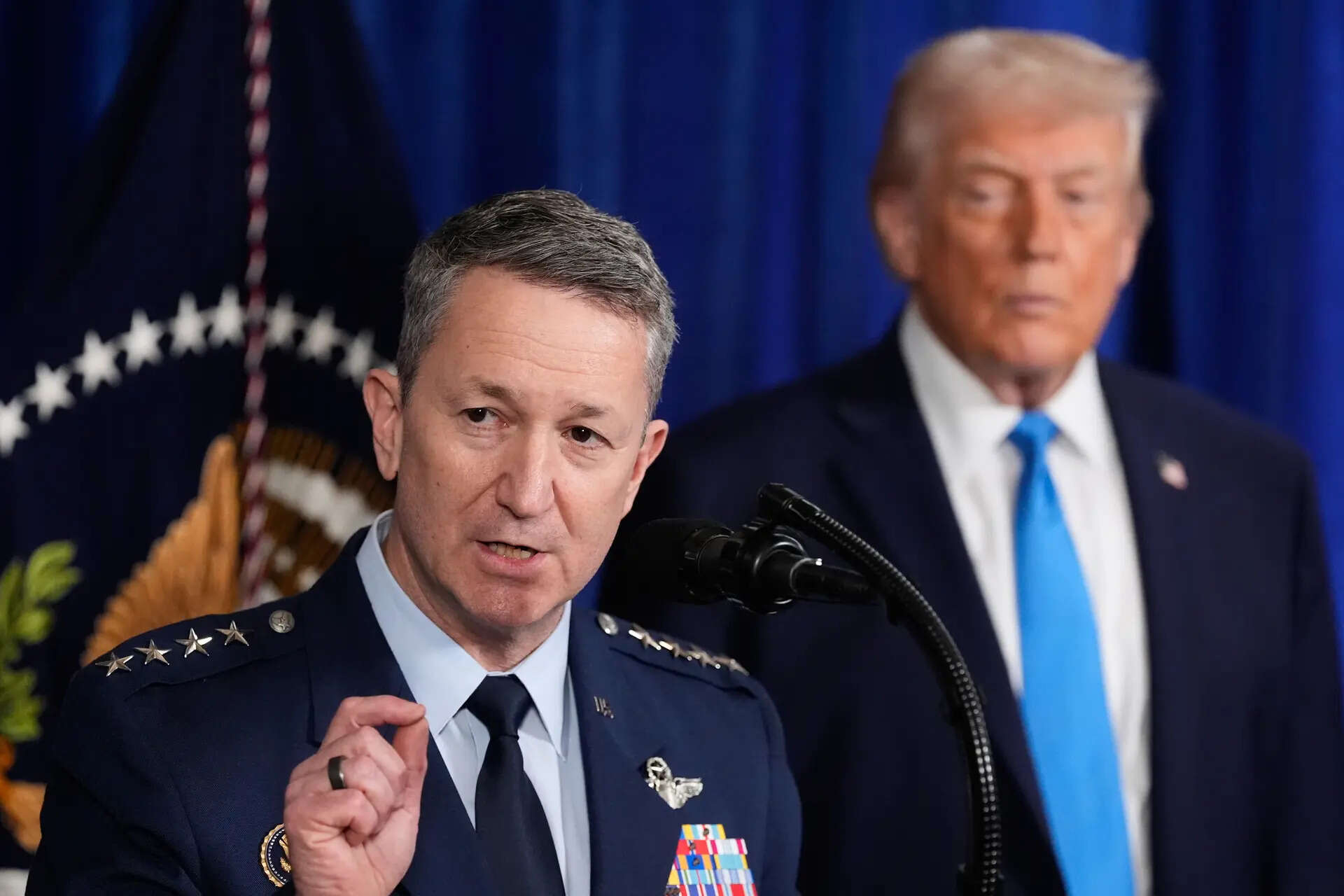
Every president has a "football" nearby, but they don't have a magic "delete" button they can press in a vacuum. Johnson claims that General Dan Caine, Chairman of the Joint Chiefs of Staff, was the man who stood in the way. During what Johnson describes as a "quite the blow up," Caine reportedly gave a firm "no" to the nuclear proposal.
It's a wild scene to imagine. You have the Commander-in-Chief looking for a definitive strike, and his top military advisor basically telling him it’s out of bounds. Shortly after this alleged confrontation, Trump’s tone shifted. He publicly stated that nuclear weapons were off the table, which Johnson argues was a direct result of being "shot down" by Caine.
How the Nuclear Chain of Command Actually Works
There’s a lot of talk about "veto power," but let's be real—the law doesn't actually give a general the power to veto a presidential order. If a president wants to go nuclear, the process is built for speed, not for debate. However, the Chairman of the Joint Chiefs occupies a unique space.
- The Senior Advisor Role: By law, General Caine is the senior military advisor. He isn't technically in the operational chain of command, but his influence is massive.
- The STRATCOM Link: An order would typically go from the President to the Secretary of Defense (or Secretary of War, as the role has been colloquially called lately) and then to the general heading STRATCOM.
- The Moral Hazard: While a general can't "veto," they can resign. A mass resignation of the Joint Chiefs would create a constitutional crisis that would stop any administration in its tracks.
Johnson’s claim suggests that Caine didn't just give a political opinion; he gave a professional military assessment that the nuclear option was "unacceptable."
Why Iran Became the Target
You have to look at the context of early 2026 to see why things got this heated. The U.S. and Israel launched massive strikes on February 28, targeting Iranian nuclear facilities and missile sites. The goal was to prevent Tehran from "weaponizing" their uranium, which experts suggested was dangerously close to 90% enrichment.
Trump has been vocal about his "maximum pressure" campaign. He’s repeatedly told the press that Iran will "never have a nuclear weapon" on his watch. In March 2026, he even claimed that without the current military operations, the world would already be in a nuclear war. When someone believes they’re preventing an apocalypse, they start considering extreme measures to ensure they win.
The Truth Social Warning
On April 7, just days before the alleged White House blow-up, Trump posted a cryptic and terrifying message on Truth Social. He wrote about a "whole civilization" dying tonight and how he didn't want it to happen, but it "probably will."
Most people at the time thought he was talking about a massive conventional bombing campaign. But in light of Johnson’s allegations, that post looks a lot more like a nuclear warning. It’s the kind of direct-to-public messaging that bypasses the traditional filters of the State Department or the Pentagon. Honestly, it’s what makes the current political climate so unpredictable.
What This Means for 2026
We're currently in a fragile ceasefire that took effect on April 8. But with a naval blockade still in place and the "maximum pressure" campaign ramped up to eleven, the threat hasn't vanished. The economy in Iran is cratering, their currency is in free fall, and the U.S. is refusing to budge on reparations or recognizing Iranian control over the Strait of Hormuz.
If you're watching this closely, here's what you should keep an eye on:
- Congressional Oversight: There’s already a push in the Senate to limit the President's war powers. It failed by a single vote recently, but these new claims might flip the undecideds.
- Military Resignations: If more "inside the room" details leak, watch for how the Pentagon reacts. If there’s a rift between the White House and the Joint Chiefs, it’ll show up in the personnel shifts.
- Diplomatic Gaps: The peace talks in Islamabad ended with "major gaps." If diplomacy fails again, the pressure to use "all options on the table" will return.
The takeaway here isn't just about one meeting. It’s about the reality that in 2026, the line between a conventional regional conflict and a global nuclear catastrophe is thinner than we’d like to admit. Don't expect this story to go away quietly.