The Western Fantasy of Escalation Dominance
Washington and its allies continue to operate under a dangerous delusion. The narrative pushed across mainstream media suggests a predictable sequence: a non-state actor disrupts maritime trade, the US military strikes radar sites, Washington threatens critical infrastructure in Tehran, and the proxy backs down.
It is a comfortable theory. It is also entirely detached from physical reality. Learn more on a related issue: this related article.
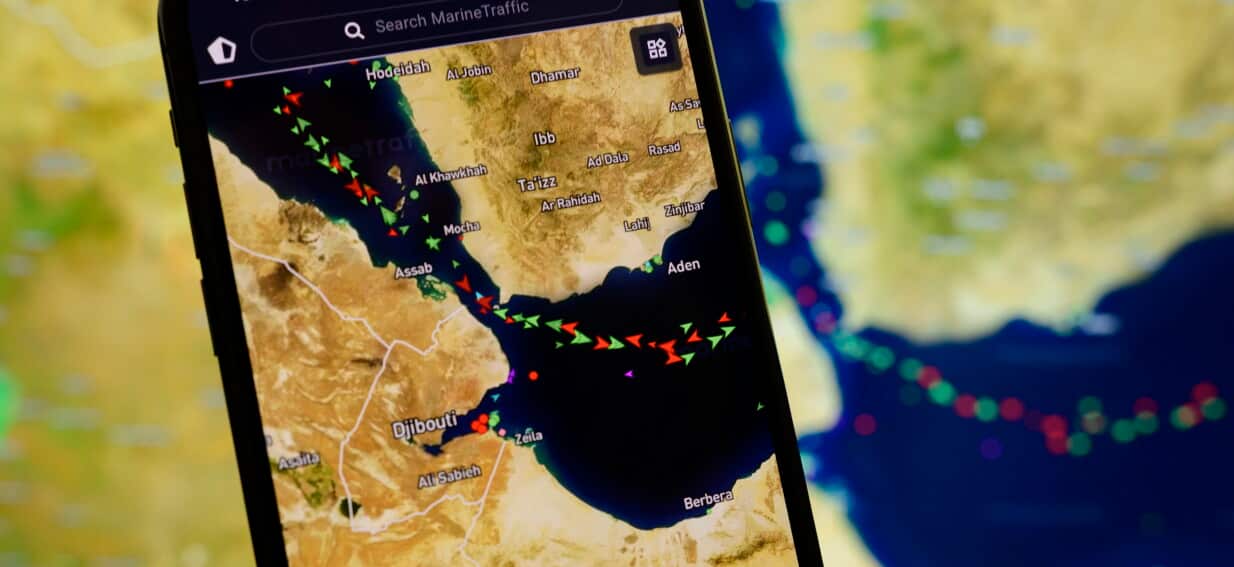
Threatening Iran’s domestic power plants in response to Houthi attacks in the Bab el-Mandeb strait misunderstands asymmetric warfare at a structural level. The Western foreign policy establishment is attempting to apply 20th-century nation-state deterrence against a 21st-century decentralized network that thrives on the exact military friction the US is creating.
Washington assumes everyone has something to lose. They do not. More reporting by The Washington Post delves into related perspectives on the subject.
The Flawed Logic of Targeting Iran's Grid
Let's dismantle the underlying logic behind targeting Iranian infrastructure to fix Red Sea shipping.
The consensus view claims Tehran exercises total command-and-control over the Houthi movement (Ansar Allah). Under this view, threatening Iran’s domestic energy grid forces Supreme Leader Ali Khamenei to dial down the Red Sea campaign.
I have tracked Middle Eastern defense supply chains and sanction evasion routes for over fifteen years. I can tell you unequivocally: this is not how the Axis of Resistance functions.
Ansar Allah relies on Iranian missile components and intelligence, yes. But they operate with high operational autonomy. They have spent a decade surviving a devastating bombing campaign led by Saudi Arabia and the UAE—campaigns that utilized advanced American ordnance. A threat to bomb power plants in Tehran does not change the cost-benefit analysis for a commander in Sa'da who views confrontation with the West as his core political currency.
Why Misunderstanding the Hardware Kills Strategy
Media outlets casually throw around terms like "drone strikes" and "tanker attacks" without analyzing the economic calculus of the defense systems involved.
- The Asymmetric Deficit: The US Navy fires SM-2 and SM-6 interceptor missiles—costing anywhere from $2 million to $4 million apiece—to neutralize Houthi Samad and Qasef kamikaze drones that cost $10,000 to assemble.
- Supply Shortages: Global defense manufacturing cannot produce fleet-defense interceptors fast enough to match the production rate of cheap, land-attack cruise missiles assembled in underground Yemeni workshops.
- Logistical Vulnerability: Warships must eventually return to port to reload missile VLS (Vertical Launch System) cells. You cannot reload these systems at sea during active combat operations.
When Washington threatens Iran’s electrical grid, it exposes its own strategic panic. It is an admission that tactical naval operations in the Red Sea are failing to clear the sea lanes.
Dismantling the "Safe Shipping Lane" Myth
Executives in London and New York keep asking when Red Sea container traffic will return to normal.
The honest answer? It won't. Not anytime soon.
Commercial shipping lines like Maersk, Hapag-Lloyd, and MSC are not rerouting around the Cape of Good Hope purely out of fear of a direct hit. They are rerouting because maritime insurance syndicates in London refuse to underwrite the risk without massive War Risk premiums.
Even if the US Air Force destroyed every known power grid in Iran tomorrow, the shipping routes would not magically open. A single $50,000 anti-ship ballistic missile launched from a mobile launcher hidden in a Yemeni valley can invalidate a $100 billion maritime trade corridor.
Deterrence fails when the cost of maintaining the threat is virtually zero for the attacker, while the cost of defense is ruinous for the defender.
The Real Winner Is Not Who You Think
If you want to understand who benefits from this strategic stalemate, look at the dry bulk and tanker markets outside the Western coalition.
While Western carriers pay millions in additional bunker fuel to sail 3,500 extra nautical miles around Africa, Russian and Chinese vessels continue to navigate the Bab el-Mandeb with relative impunity. Beijing gets cheaper energy transport through shorter routes, while European importers bear the brunt of delayed supply chains and surging freight rates.
Western leaders promised that kinetic strikes and economic sanctions would secure global trade. Instead, they have accelerated the bifurcation of global maritime routes.
How to Actually Fix the Crisis
Policy makers keep asking the wrong question. They ask: How do we force Iran to stop the Houthis?
The correct question is: How do you secure a narrow choke point against low-cost, high-precision distributed weapons?
You do not do it by threatening power plants in Iran. You do it through brutal tactical re-adaptation:
- Abandon Escalation Dominance: Stop pretending that high-altitude strategic bombing in third countries deters decentralized coastal insurgencies.
- Modular Convoy Defense: Shift from expensive navy-wide interceptors to localized, point-defense systems integrated directly onto commercial hulls or close-escort auxiliary ships.
- Targeting the Component Bottlenecks: Focus intelligence assets on the specific smuggling routes for solid-fuel propellants and dual-use guidance chips in the Gulf of Oman, rather than broad strategic infrastructure.
The trade routes will remain broken as long as Western planners treat 21st-century network warfare like a Cold War standoff between nation-states. Until the strategy shifts from grand political threats to cold, technical defense logistics, every dollar spent on missiles is just buying time for the next strike.