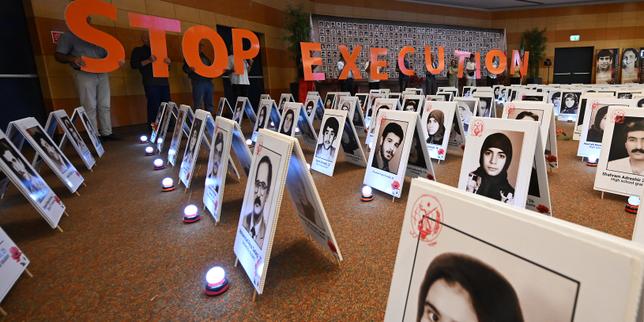
Every time Tehran drops the hammer on domestic dissent, western capitals scramble to dust off the same tired playbook. Paris, London, and Ottawa line up to issue solemn press releases, summoning ambassadors, tweeting righteous indignation about human rights, and drafting toothless condemnations over judicial executions. The lazy consensus in international relations assumes this ritualized outrage exerts pressure on the Islamic Republic, signaling solidarity with protestors while inching the regime closer to diplomatic isolation.
It is a comforting illusion. It is also entirely backwards.
I have watched diplomats draft these exact communiqués for over a decade. They care more about the optics on evening news broadcasts than the geopolitical reality on the ground. These boilerplate condemnations do not deter theocratic crackdowns; they act as safety valves for western politicians who want to look tough while changing precisely nothing. When France or the UK issues yet another joint statement wringing their hands over capital punishment in Iran, Tehran does not tremble. They take notes on how little actual consequence backs up the rhetoric.
The Flawed Mechanics of Performative Outrage
Let us look at the actual incentives driving these diplomatic statements. Sanctions are already baked into the status quo. Maximum pressure campaigns have stripped Iran of conventional economic leverage points years ago. What remains is the symbolic theater of the diplomatic reprimand.
When western foreign ministries condemn judicial killings of protestors, they achieve three distinct things, none of which help the people on the streets of Tehran or Isfahan:
- They appease domestic activist constituencies by generating media cycles of apparent action.
- They create a diplomatic paper trail that satisfies bureaucratic checklists without triggering escalatory retaliation.
- They grant the Iranian regime a convenient foil, allowing state media to frame domestic opposition as a foreign-backed conspiracy orchestrated by the very governments issuing the statements.
The fundamental mistake critics and western officials make is assuming that the regime in Tehran operates on a cost-benefit analysis that values international reputation. It does not. An autocracy fighting for institutional survival calculates risk through internal security metrics. If executing dissidents keeps the apparatus intact, external press releases are dismissed as background noise.
The Alternative That Nobody Wants to Fund
If western powers genuinely wanted to shift the calculus inside Iran, they would abandon the press-release economy and target the actual financial lifelines sustaining the internal security apparatus. But that requires real sacrifice. It means cutting off complex illicit financial networks, cracking down on sanction-evading shell companies operating openly in European financial hubs, and accepting higher energy price volatility.
Governments prefer the cheap option. Issuing a joint statement costs nothing. It takes five minutes of drafting time, requires zero political capital, and provides a convenient headline for foreign ministers looking busy.
Imagine a scenario where western nations treated Iranian judicial abuses with the same immediate, unannounced economic disruption applied to conventional military adversaries. Real asset freezes on the personal holdings of the Supreme Leader's inner circle. Total blacklisting of every front company moving petrochemical revenues through the Persian Gulf. Not a press release. Just silence and seizure.
That will never happen, because western economies are too addicted to regional stability and back-channel nuclear negotiations to pull the trigger on actual economic warfare.
Why the Status Quo Serves Both Sides
The cycle of protest, execution, condemnation, and silence is a closed loop that suits both actors.
For the regime, external condemnation provides ideological fuel. It validates the narrative of eternal siege. State television plays western statements on a loop to convince the domestic population that anyone protesting economic collapse or social suffocation is an agent of foreign subversion.
For western leaders, it provides a low-risk mechanism to appear morally superior without risking trade deals, regional escalations, or diplomatic channels that might be needed for broader security talks.
The next time thirty foreign ministries sign a joint letter condemning the latest wave of hangings in Evin Prison, do not look for signs of a turning tide. Look for the exit strategy of the bureaucrats who drafted it. They are already moving on to the next crisis, leaving the protestors to face the gallows alone while the diplomatic fax machines hum out another batch of empty words.