He wears a gray suit that smells faintly of old paper and dust, and every Tuesday morning, he signs his name in a heavy leather ledger that has been open on the same mahogany desk since the winter of 1982.
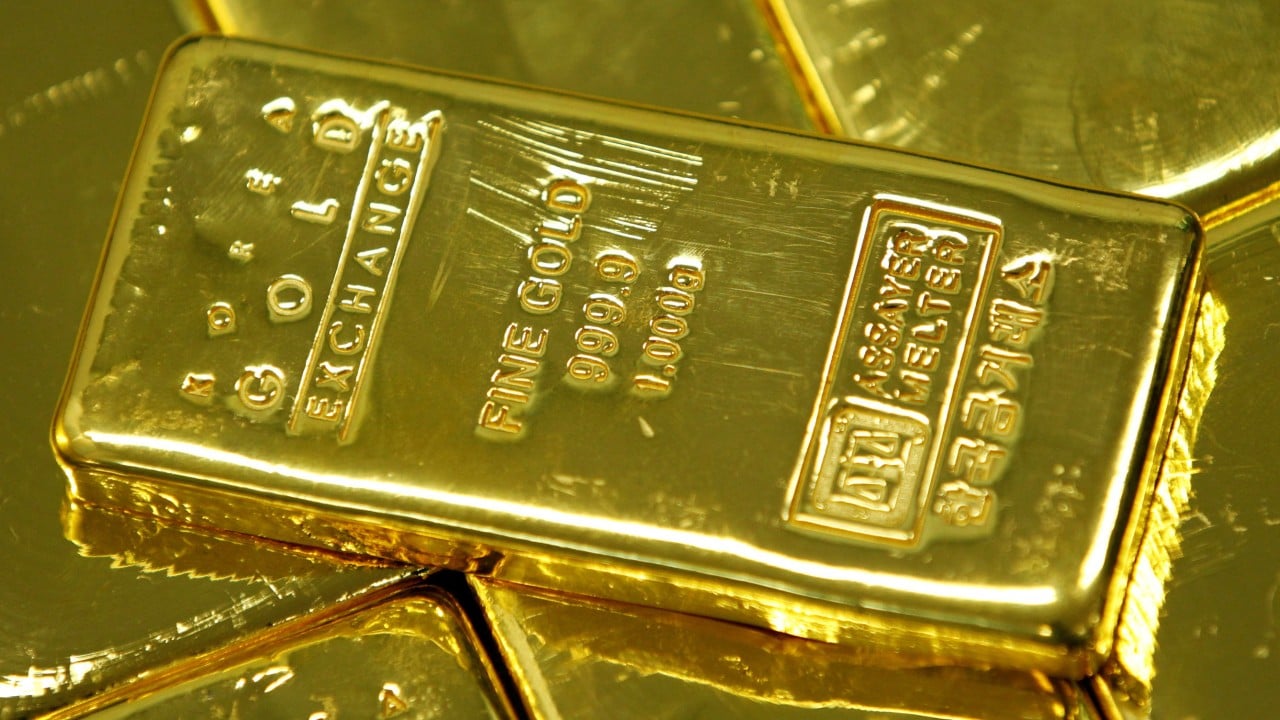
His name is Arthur, and for forty years, he has watched the world panic, recover, panic again, and buy stocks that vanished into smoke. But Arthur doesn't trade pixels on a screen. He buys bars the size of a paperback book that weigh as much as a newborn infant. When you hold one, your wrist drops instinctively. Gravity reminds you that you are holding something real, something that survived the collapse of empires, the rewriting of borders, and the steady, quiet decay of paper money.
For most of us, gold is jewelry. A grandmother’s ring catching the afternoon sun on a kitchen table. A chain worn thin against a collarbone. But behind the retail counters and the polished glass of Fifth Avenue shops lies a much heavier truth. Right now, thousands of miles away from Arthur’s quiet desk, an entire nation is quietly reshaping the geography of global wealth.
Beijing is hoarding.
They are not doing it with fanfare or press releases. They are doing it with the methodical, unyielding patience of a glacier carving a valley. Month after month, the People's Bank of China adds to its sovereign reserves, steadily turning its back on the debt of foreign governments. It is a slow-motion tectonic shift. They look at the ledger of the modern financial system, see the red ink stretching out toward the horizon, and decide they want something that cannot be printed by a committee meeting in a windowless room.
Consider what happens next: When a giant moves, the water rises for everyone else.
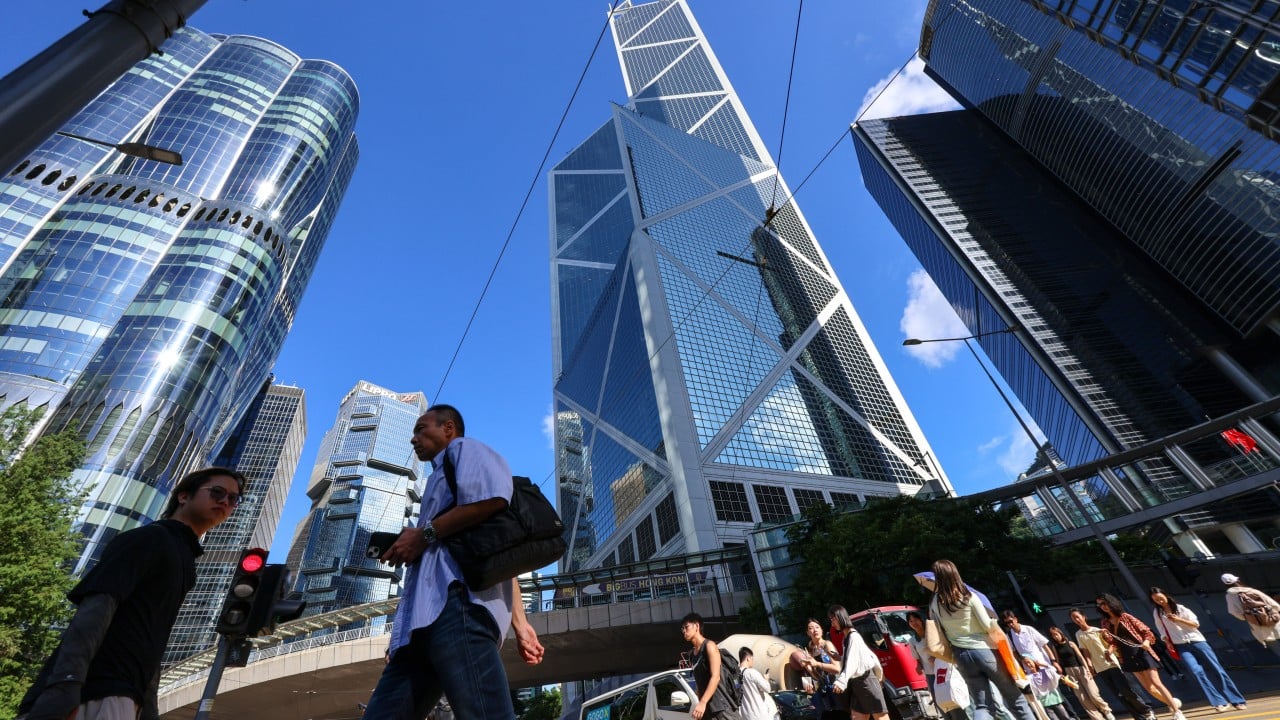
Down in Hong Kong, a new financial machinery is humming to life. The city, long the bustling crossroads of East and West trade, is positioning itself as the premier conduit for physical wealth moving across borders. They are building the infrastructure, the vaults, the trading corridors, and the legal frameworks to handle a massive surge in bullion liquidity. It is a calculated push to capture the trade routes of the physical world as trust in digital and fiat promises frays at the edges.
Price potential is explosive.
That is the phrase the analysts use, sitting in their glass towers with their Bloomberg terminals glowing like neon fish tanks. But "explosive" is a sterile word for a violent reality. It sounds like a stock chart jumping three percentage points. It misses the human panic. It misses the terrified mother in a collapsing economy who trades her life savings for a single coin. It misses the institutional strategists who wake up in a cold sweat realizing their sovereign bonds are melting ice cubes.
I learned this lesson the hard way years ago, standing in a small, damp basement office in Zurich while an elderly dealer explained why he kept his door locked even during business hours.
"Paper," he told me, tapping a stack of currency notes with a fingernail that looked like yellowed ivory, "is an agreement between gentlemen. Gold is an agreement with physics. When the gentlemen leave the room, physics is all that remains."
That sentence stayed with me. It is the filter through which every headline must pass.
When Beijing buys ton after ton of the yellow metal, they are signaling a vote of no confidence in the old rules. They are hedging against a future where the rules no longer protect them. And when Hong Kong opens its arms wider to trade and store that bullion, they are building a lifeboat for capital fleeing the storms of currency devaluation.
Most people think about inflation as a tax on groceries. They feel the sting at the checkout counter, watching the price of milk and eggs climb month by month until a twenty-dollar bill feels like pocket change. But true inflation is an erosion of memory. It is the gradual realization that the promise made to you by your government fifty years ago is a promise they no longer have the capacity to keep.
Gold is the alarm bell that rings when that realization finally hits the mainstream.
Look at the numbers. Or rather, look past the numbers to the behavior driving them. Central banks across the globe bought record amounts of gold over the past few years, bypassing the traditional Western clearinghouses. They are bringing their reserves home. They are pulling their wealth out of foreign vaults and stacking it on home soil. If you were sitting on a mountain of foreign debt that you suspected would one day be paid back in severely devalued currency, you would do the exact same thing. You would trade the promise for the metal.
And yet, retail investors remain largely asleep at the switch, distracted by the latest tech stock or the frantic theater of cryptocurrency day-trading. They chase volatility because volatility feels like action. Gold does not feel like action. It sits in a vault, silent, heavy, and cold.
Until it moves.
When gold breaks past historical resistance levels, it does not do so with a polite tap on the glass. It shatters ceilings because the demand is not emotional; it is structural. It is the weight of trillions of dollars of global liquidity looking for a safe harbor during a rising storm.
Hong Kong’s strategic push into bullion trading is not just a regional economic play. It is a symptom of a fracturing world. As financial corridors between East and West grow narrow and contentious, the hubs that control physical commodity flows hold all the cards. If you own the vault, and you own the trade route, you dictate the terms of engagement when the next crisis hits.
Think of it as a game of musical chairs, except the music has been playing for a very long time, debt has piled sky-high, and there are suddenly very few chairs left that aren't bolted to the floor.
Arthur knows this. He doesn't need to read the quarterly reports from the People's Bank of China to feel the shift. He sees it in the faces of the people walking through his door. Younger faces now. People in their thirties who watched their purchasing power shrink while their wages stayed frozen. People who read the news, looked at the national debt clocks, and decided they wanted to own something they could hold in the palm of their hand if the power grid ever blinked out for good.
There is a strange comfort in that weight. It doesn't care about elections. It doesn't care about interest rate hikes or geopolitical posturing or algorithmic trading bots executing a million transactions a millisecond.
It is just there. Ancient. Unyielding. Heavy.
As the vaults in Beijing grow taller and the trading desks in Hong Kong light up long into the night, the rest of the world is slowly waking up to a reality it tried to ignore. The era of easy paper is closing its final chapter. The era of physical reckoning has already begun, and its currency is locked away in the dark, waiting for the world to remember what real value looks like.