The coffee in Downing Street is never hot enough by the time the real work begins.
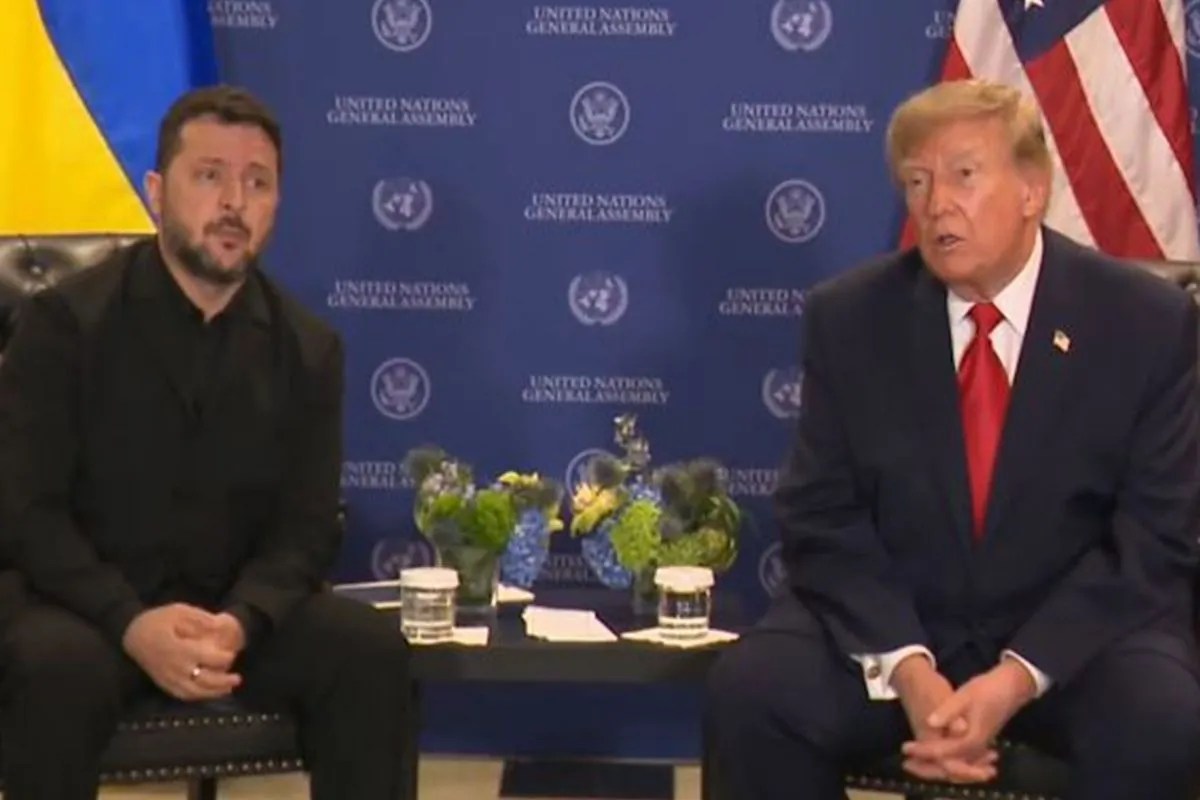
Prime Minister PM Burnham sat at the mahogany table, looking at a briefing note that felt less like paper and more like lead. Across the Atlantic, an incoming gale named Trump was reshaping the vocabulary of international diplomacy into blunt instruments. Words like alliance and multilateralism were being weighed in transactional gold, tested for immediate utility, and discarded if they felt too heavy. And yet, here was the perennial question, hanging over the North Sea like a low-slung grey fog: What does Britain do when the room catches fire?
History is rarely a grand procession of marching bands. More often, it is a roomful of tired people making choices at three in the morning, hoping the floorboards don't give way.
To understand why Burnham’s message—that Britain is ready to play its part in the Middle East—matters, you have to step away from the polished oak of Whitehall and look at the sand. Imagine an air traffic controller stationed at an installation in the Gulf. To them, geopolitics is not a speech televised to millions; it is a green blip on a dark screen, a radar track moving at six hundred knots, carrying eighty thousand pounds of hardware and human lives. When politicians talk about projecting stability, that controller hears the hum of generators that have run for ten thousand hours straight without a hiccup.
For decades, Britain’s role east of Suez has been a ghost story told in different rooms. Some see the ghost of an empire that refuses to lie down, lingering in the warm waters of the Persian Gulf out of sheer stubborn habit. Others see an indispensable anchor, a translator between American raw power and European diplomatic caution.
When Burnham spoke of readiness, he was translating a complex equation into a single, straightforward sentence. The equation contains variables that keep finance ministers awake: carrier strike group maintenance costs, intelligence-sharing protocols that run on trust built over generations, and the fragile peace of shipping lanes where a single stray drone can spike the price of a barrel of oil by five dollars before breakfast.
Consider what happens next when an administration in Washington signals that it wants out of the world's policing business, or at least demands a heavy rent for it. The instinct of lesser powers is to hunker down, pull the wool blankets over their ears, and hope the storm passes over the cliffs of Dover without leaving a stain.
Burnham chose the opposite path. Why? Because Britain’s economy is an open window. You cannot hoard wealth behind a moat when your trade passes through narrow straits controlled by nations whose internal politics make a pendulum look steady. If the Middle East destabilizes further, the shockwave does not stop at Cyprus. It arrives at the petrol pump in Yorkshire, the gas heating bill in Manchester, and the pension fund holding government bonds.
There is a tactile reality to diplomacy that gets lost in the shorthand of news tickers. It smells of JP-8 jet fuel, dry desert dust, and the damp wool of coats in London rail stations. When a Prime Minister pledges support to an American president who measures loyalty in immediate, visible contributions, the promise cannot be abstract. It has to be tangible. It means frigates on station. It means logistics hubs operating in the heat. It means sailors missing their children's birthdays.
We have lived through this cycle before. Every generation believes its geopolitical crisis is uniquely complex, uniquely dangerous. In truth, the maps just get redrawn with sharper pens.
What makes this moment different is the transactional fatigue in Washington. The days of writing blank checks for global security are ending. If London wants a seat at the table where the next decade of Middle Eastern trade and security architecture is drafted, it cannot show up as an honorary guest holding a historic pamphlet. It must bring a hammer. Or, at the very least, be willing to help hold the scaffolding together while someone else swings it.
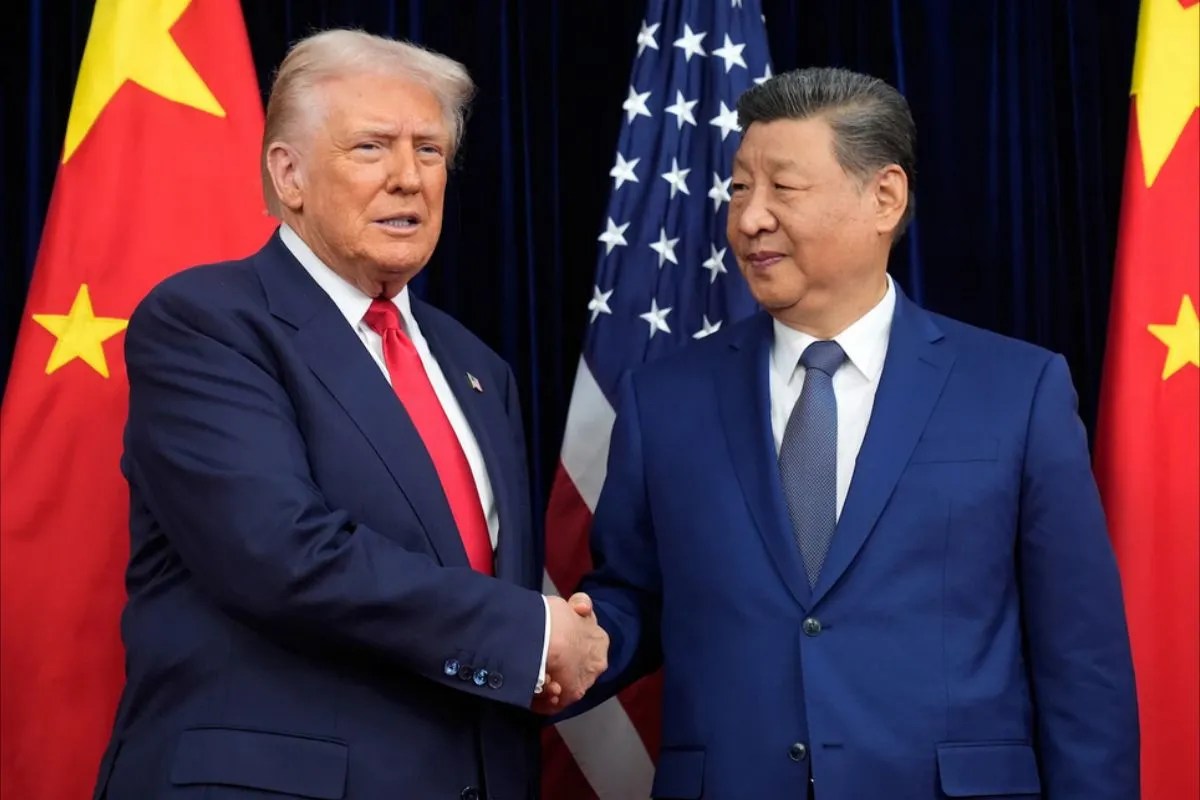
Critics will call it subservience. They will look at the photographs of handshakes and press releases and see a junior partner falling in line with a volatile senior ally. They are not entirely wrong, but they are missing the machinery underneath. Alliances are not marriages of pure romance; they are utility contracts forged in the dark. Britain’s leverage has always been its ability to whisper sense into ears that prefer shouting, backed by the quiet, heavy iron of military capability that still functions when the rhetoric fails.
The risk is real. To step into the Middle Eastern theater with a renewed pledge is to buy stock in a company prone to sudden, catastrophic bankruptcy. One miscalculated strike, one intelligence failure, one diplomatic stumble in a region layered with ancient grievances, and the Prime Minister’s office owns the fallout.
Yet the alternative is worse. Irrelevance does not feel like a sudden tragedy. It feels like a slow, quiet fade, like a color photograph left too long in a sunny window until only the whites remain.
When the sun comes up over the Thames tomorrow, the briefs will still be dense, the emails will still demand answers, and the oil tankers will still thread their way through the Strait of Hormuz, watched by radar operators who don't care about headlines. They only care whether the machinery works. Burnham’s promise was an attempt to keep that machinery oiled, turning, and relevant in a world that has lost its patience for nostalgia.
The water in the cup has gone cold. The meeting is over. The communiqué is sent. Somewhere off the coast of Oman, a grey hull cuts through the dark water, carrying the weight of a promise made three thousand miles away.