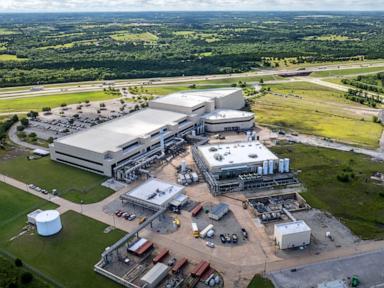
The floor of the assembly plant does not vibrate with the rhythmic, steady pulse of confidence anymore. It stammers.
Picture a shift supervisor named Marcus, standing beside a silent stretch of conveyor belt in a sprawling factory outside of Turin. He has worked for the automaker for twenty-two years. He remembers the golden eras when sheet metal moved through stamping presses like water through a mill, turning into cars that filled driveheads across continents. Today, Marcus watches the digital readouts on his wrist terminal. The numbers blink a stark, uncomfortable red. His stock options, accumulated through decades of overtime and loyalty, have quietly bled down to fractions of what they once were.
Down in the corporate suites, miles away from the smell of cooling hydraulic oil and burning rubber, the chief executive looks at a different set of monitors. The share price has hit a new floor. A historic low. Analysts on cable networks shake their heads, their voices dripping with the easy condescension of people who have never had to torque a cylinder head by hand. They talk about missed targets, supply chain friction, and shifting consumer appetites as if these are equations on a chalkboard that can be solved with a stroke of a pen.
They call it 2026 guidance.
To the boardroom, guidance is a shield made of projections, percentage points, and promises whispered to institutional investors. To Marcus, and to tens of thousands of workers like him from Detroit to Sochaux, guidance is the promise of a paycheck next Friday. It is the continuation of a turnaround plan that feels less like a strategic roadmap and more like walking a tightrope across an open canyon while a gale wind blows.
Let us be entirely honest about what is happening here. When an automotive giant stumbles, the shockwaves do not register merely as red ink on a quarterly balance sheet. They travel through communities that were built around the factory gates. Bakeries, dry cleaners, tool-and-die shops, and local diners all breathe in rhythm with the second shift change. When the stock dips to a historic trough, the air in those towns gets thin.
Yet, the plan remains stubbornly alive.
The executives double down on the numbers. They stand before microphones and press cameras, insisting that the math still holds. They point to electric vehicle transitions, cost-cutting measures, and platform consolidation as the twin engines that will pull the heavy ship out of the shallows. It is a grueling balancing act. Spend too much on tomorrow's technology, and you bleed cash today. Spend too little, and you become a dinosaur in a landscape ruled by software-defined mobility and aggressive new market entrants from overseas.
Consider what it takes to steer a colossus.
Imagine an oil tanker heading toward a narrow harbor at night. The captain sees the shallow water markers closing in. The crew wants to reverse engines, to panic, to turn back. But turning a thousand-foot vessel around mid-channel is impossible. You have to steer into the current, trusting the rudder even when the hull groans under the stress.
That is the exact psychological space Stellantis occupies right now. The company is steering through the fog of a massive industrial pivot. The merger that created the corporate parent promised scale, efficiency, and invulnerability. Scale is a powerful weapon, but it is also heavy. It creates friction. When you weld together diverse corporate cultures—some French, some Italian, some American—you do not just combine balance sheets. You combine egos, historical rivalries, and entirely different ways of building a car.
The turnaround plan relies on absolute discipline. Every department must trim the fat without cutting into muscle. Factory efficiency must rise while vehicle prices face downward pressure from competing brands engaged in brutal price wars. It is a razor-thin margin. One miscalculation in battery sourcing or software integration can turn a profitable quarter into a financial disaster.
Marcus does not know the Latin roots of corporate restructuring, but he knows what a late shipment of microchips looks like. It looks like an empty pallet. It looks like an early clock-out.
When shares hit a historic low, the market is sending a message. The market is impatient. Wall Street lives in ninety-day increments. Industrial manufacturing lives in decades. A car designed today will spend four years on drawing boards and testing tracks before it ever sees a showroom floor. That temporal mismatch is where the anxiety lives. The people building the cars are asked to trust a five-year strategy while watching their financial security fluctuate with every morning trading bell.
The leadership insists the targets are attainable. They reconfirm the guidance because to do otherwise would be to signal a retreat. In the high-stakes theater of global manufacturing, a retreat turns into a rout very quickly. Competitors smell blood. Suppliers tighten credit lines. Unions sharpen their negotiating points.
So the CEO holds the line.
There is a strange sort of courage in standing before angry shareholders and insisting that the strategy is working, even as the stock chart plunges downward. It requires a thick skin and a stubborn refusal to panic. But courage alone does not weld doors or write clean code for an infotainment system. Execution does.
Back on the factory floor, the shift whistle blows. Marcus puts his terminal back on his belt, wipes his grease-stained hands on a rag, and walks back to the line. A new chassis rolls into his station, suspended from an overhead crane. It is half-finished, a skeleton of cold steel waiting to be clothed in wiring, glass, and interior trim.
He picks up his pneumatic torque wrench. The tool hums to life with a familiar, high-pitched whine. He aligns a bolt, pulls the trigger, and feels the sharp, mechanical kickback in his wrist. Click. Torque reached.
Down on Wall Street, the stock tickers will keep flashing. Analysts will keep typing their dismissive columns. Executives will keep refining their presentations for the next investor call. But out here, in the noise and the light of the plant, the turnaround plan is not an abstract concept or a line item on a spreadsheet.
It is just one bolt, tightened correctly, one car at a time, until the floor stops shaking and the numbers finally begin to climb.