There are sounds that cling to the old stones of Europe long after the footfalls have faded. In the echoing corridors of ecclesiastical power, the loudest noise is often the deliberate, heavy silence of a door closing. For decades, survivors of clerical abuse lived within that silence. Their stories were whispered in parked cars, written in tear-stained letters that vanished into departmental pigeonholes, or buried under the institutional weight of men who wore white collars and spoke of forgiveness while protecting the guilty.
Then comes a journey.
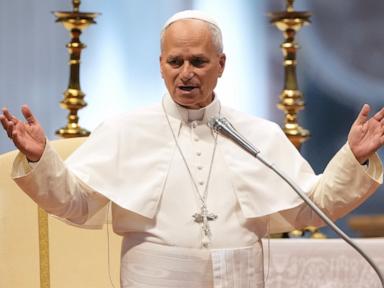
When Pope Leo prepares to cross borders and step onto French soil, the official itinerary will list diplomatic meetings, cathedral tours, and addresses to civil leaders. But anyone who understands the modern Vatican knows the real itinerary is written in the margins. It is carved out in a quiet, closed-room encounter with survivors.
Consider what happens in that room. The lighting is usually muted. The chairs are arranged not for a grand debate, but for a reckoning. A survivor sits across from the global face of an institution that failed them. Hands that once held global authority now open empty, offering no legal defense, no theological deflection, only presence.
Silence. Then, words.
To understand why these meetings matter, you have to strip away the politics and look at the anatomy of betrayal. When a child is harmed by someone wrapped in the absolute moral authority of the Church, the psychological architecture of their entire universe collapses. Right and wrong become tangled. God and monster merge into a single terrifying figure. For years, the official response from the hierarchy was defensive—a fortress mentality designed to protect the brand, preserve the endowment, and manage the scandal.
That fortress is cracking. Not because the institution suddenly grew a conscience from within, but because the relentless, bruising persistence of survivors forced the light inside.
France has its own distinct, painful history with these wounds. The Independent Commission on Sexual Abuse in the Church, known by its French acronym CIASE, delivered a staggering truth to the public consciousness. It wasn't just a few bad apples. It was systemic. Hundreds of thousands of victims over decades. The report landed on the national psyche like a physical blow. It forced a proud, ancient religious culture to look in the mirror and recoil at what it had shielded.
When a leader travels to the site of such a reckoning, he carries that ledger in his briefcase.
Yet, skepticism is entirely warranted. Survivors have every right to cross their arms, narrow their eyes, and ask a blunt question: Is this pastoral theater, or is it actual justice? Photos of a pontiff holding a crying victim make for powerful evening news broadcasts. They provide a moment of emotional catharsis for the faithful. But an embrace does not rewrite canon law. A handshake does not automatically dismantle the bureaucratic secrecy that allowed predators to hop from parish to parish like bishops on a chessboard.
True transformation is painfully bureaucratic. It looks like open archives. It looks like independent civilian oversight. It looks like stripping pensions and titles from bishops who covered up crimes, treating them not as fallen princes of the Church, but as accessories to a crime.
When Pope Leo sits down with those French survivors, he is stepping onto a tightrope. On one side lies the defensive past, eager to protect the institution's earthly reputation. On the other side lies total accountability, which requires a terrifying degree of institutional vulnerability.
Imagine being the survivor walking into that meeting. Your heart beats against your ribs like a trapped bird. You are carrying the ghost of your younger self, the betrayal of your parents who trusted the parish priest, the decades of nightmares that no amount of prayer could exorcise. You look across the table at the white cassock. You aren't looking for a saint. You are looking for a human being willing to say the hardest words in any language: We were wrong. We broke you. We are responsible.
If those words are spoken, they do not magically fix the past. Nothing can. A broken vase glued back together still bears the jagged scars of the hammer. But the glue matters. The willingness to pick up the pieces, one sharp fragment at a time, dictates whether the next generation inherits a museum of secrets or a house built on truth.
The plane touches down. The motorcade rolls through the historic streets of Paris or Lyon. Crowds wave yellow and white flags. But inside a nondescript room, away from the cameras and the cheering throngs, history will be made not by grand declarations, but by the quiet, trembling weight of an apology met at last by a willingness to listen.