The ignition turns. A low mechanical rumble vibrates through the cold chassis, cutting through the damp silence of a British dawn. Outside, streetlamps bleed yellow light onto empty pavements. Inside, the cabin smells faintly of rain, stale coffee, and the quiet promise of another long shift.
For most passengers, a bus is simply a moving room. A conveyance from one address to another while scrolling through a phone or staring blankly at fogged-up glass. For the person behind the wheel, however, it is a world. A confined space where thousands of lives brush past in a blur of ticket taps, muttered greetings, and hurried footsteps.
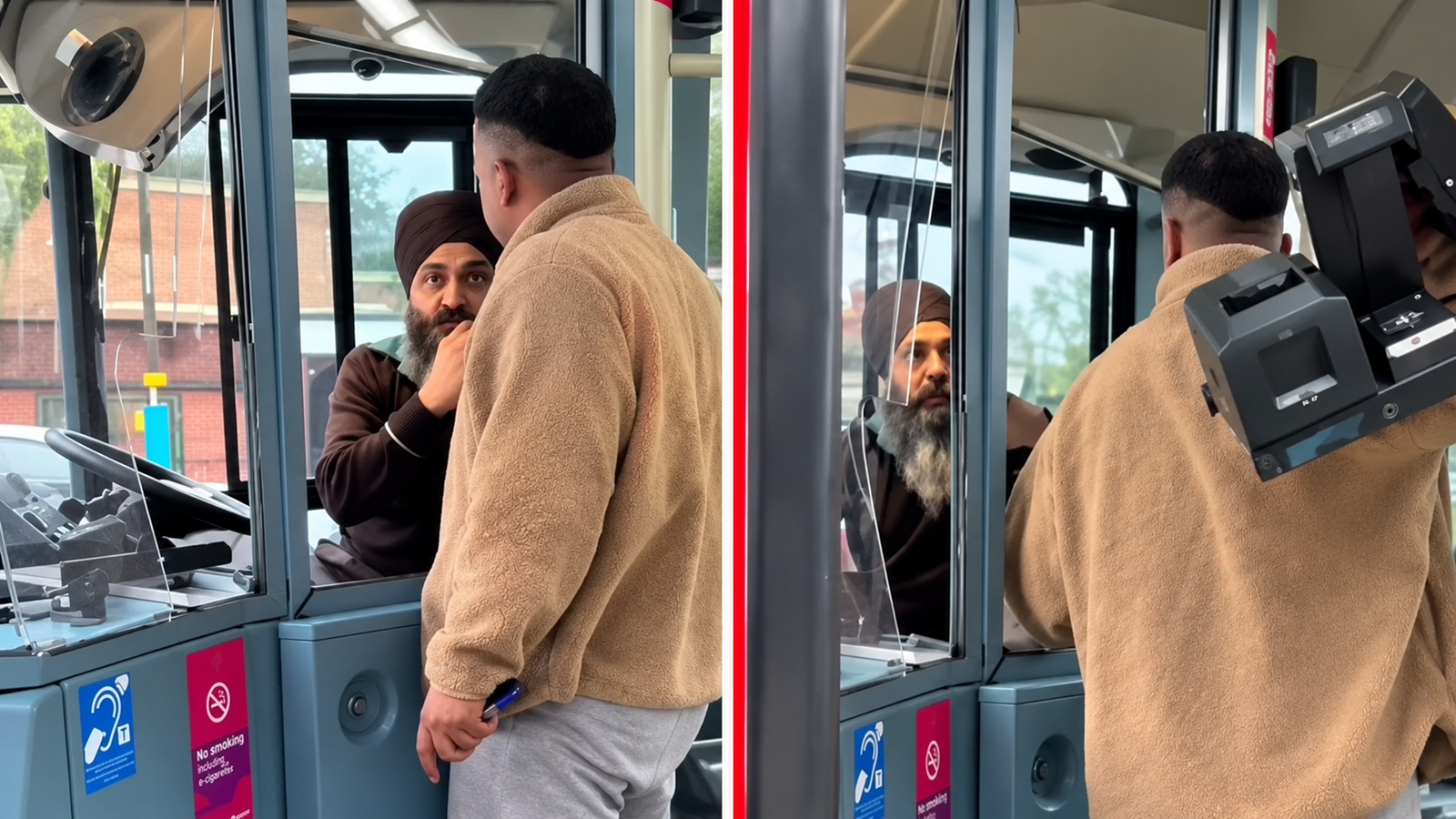
He sits in the driver's seat. Before him lies the dashboard, a constellation of switches and dials. Around him rests something far older than any transit schedule. His turban sits high and neat, a crown of cloth wound with meticulous care in the dim hours before sunrise. Beneath it, his beard rests with dignity, an outward symbol of an unbreakable covenant with faith, compassion, and creator. To wear these articles is to declare a permanent commitment to protect the vulnerable, to stand as a beacon of peace, and to offer shelter to anyone caught in the storm.
Then the storm arrives. Not from the sky, but from the aisle.
The CCTV footage does not begin with noise. It begins with the mundane reality of daily transit. A passenger moves toward the front. Voices rise. The atmosphere shifts instantly from routine to volatile. Before words can fully form into an argument, physical violence shatters the fragile social contract of public transit.
Hands reach out. Not to steady themselves against a turn, but to grab. To pull.
The violation is immediate. In the Sikh tradition, Kesh—un-cut hair and the beard—is sacred. It is an extension of the soul's devotion, a physical manifestation of living in harmony with divine will. To grab a Sikh man by his beard is not merely an assaultive shove or a standard street fight. It is a calculated degradation. It is an attempt to strip away a man’s identity, his heritage, and his humanity in front of a lens that will soon broadcast his humiliation across screens worldwide.
Struggle ensues. The cabin becomes a theater of chaos. The steering wheel, meant to guide dozens of commuters safely through narrow urban arteries, is suddenly contested territory. Within moments, the vehicle is hijacked. A busload of ordinary lives is suddenly hijacked along with it, hurtling down tarmac under the control of panic and malice.
Consider what happens next in the quiet aftermath of such an event.
The video loops on social media feeds. Viewers pause, rewind, analyze pixels, and type quick, furious reactions before scrolling away to the next piece of digital outrage. Comments flare up like dry brush, crackling with anger, sorrow, and exhaustion. But once the video closes, the screen goes black, and the phone is slipped back into a pocket, the fundamental reality of the driver remains unaddressed.
Who are the people we trust to carry us through our cities?
We rarely look at them. We tap our cards against the reader, murmur a low "Cheers, mate," and retreat into our own thoughts. We treat them as extensions of the machinery. Invisible cogs in the urban clockwork. We forget that behind every windshield is a person with a family waiting at home, a favorite meal, a history of struggles, and a fragile, beating heart.
Public transit drivers occupy a unique, precarious position in modern society. They are the frontline workers of daily mobility. They navigate congestion, weather, unpredictable passengers, and the rising tide of societal friction. When economic anxieties mount, when public tempers fray, when casual prejudice finds a megaphone, the public square becomes hostile. And the bus driver sits right in the center of it, exposed behind glass, entirely vulnerable.
Let us look closer at the nature of this hostility.
Hate does not drop from the clouds fully formed. It festers in the dark corners of ignorance, fed by caricatures and unchecked fear. When a man wearing a turban is targeted, the attacker is reacting to a phantom—a distorted projection born of xenophobia and cultural illiteracy. Sikhs have lived, worked, and contributed to the fabric of British society for generations. They drive our buses, staff our hospitals, lead communities, and stand shoulder-to-shoulder with their neighbors. Yet, ignorance remains stubbornly persistent, capable of turning a routine Tuesday morning commute into a violent stage.
When the beard is pulled, something tears in the collective social fabric. It is a laceration that extends far beyond one individual in a uniform. It strikes at the core of multicultural coexistence. If a man cannot go to work to earn an honest living without facing targeted violence based on his religious identity, then the safety of the entire community is called into question.
Safety is not just a policy document. It is a feeling. It is the quiet confidence that when you step out of your front door, you will return home intact.
The driver in this incident did not ask to become a symbol. He did not wake up intending to test the limits of human endurance or to highlight the vulnerabilities of public transport workers. He simply wanted to complete his route. He wanted to ferry nurses to early shifts, students to classrooms, and laborers to construction sites. He was performing an act of quiet service, the kind that civilization depends upon every single hour of every single day.
When that service is met with brutality, the response from society cannot be mere temporary shock followed by collective amnesia.
We must examine the environment that fosters such behavior. We must ask why transit workers are increasingly treated as acceptable targets for displaced rage. Transit authorities and lawmakers often respond with increased security protocols, panic buttons, and partitioned cabins. These measures are necessary, practical steps. But glass shields and emergency alarms treat the symptom while leaving the disease untouched.
The disease is a growing erosion of basic empathy.
When people view others as categories rather than human beings, empathy withers. It becomes easier to lash out. It becomes easier to dehumanize. Rebuilding that empathy requires more than punitive justice, though justice must be served swiftly and clearly. It requires a return to storytelling, to listening, and to recognizing the human stories operating right beneath our noses.
Think of the moments of grace that punctuate daily transit, moments we almost always overlook.
The driver who waits an extra five seconds at the stop for an elderly woman rushing down the stairs. The nod of acknowledgment exchanged with a regular commuter on a rainy Monday. The patience required to navigate gridlock while keeping dozens of strangers safe. These are micro-acts of community building that happen millions of times a day across the nation. They form a hidden infrastructure of kindness that holds our cities together against the centrifugal forces of isolation and anger.
When an assault occurs, it tries to sever that invisible infrastructure. It tells us that we are unsafe, that strangers are threats, that the public space belongs to the loudest and most aggressive voices.
It is up to the rest of us to prove that narrative wrong.
Standing with the driver means refusing to let acts of bigotry become normalized background noise in the daily news cycle. It means recognizing that an attack on a Sikh driver’s faith and personhood is an attack on the safety of every single passenger riding behind him. It requires a conscious shift from passive observation to active solidarity.
The bus eventually returns to the depot after the sirens fade and the reports are filed. The glass is cleaned. The seats are wiped down. Another driver climbs into the cabin tomorrow morning, turns the ignition, and listens to the low rumble of the engine.
The road ahead is dark. The headlights cut a narrow path through the mist.
He pulls down the visor, adjusts his turban in the rearview mirror, and releases the handbrake. The heavy machine moves forward into the gray light, carrying the weight of the city, mile by mile, toward whatever dawn comes next.