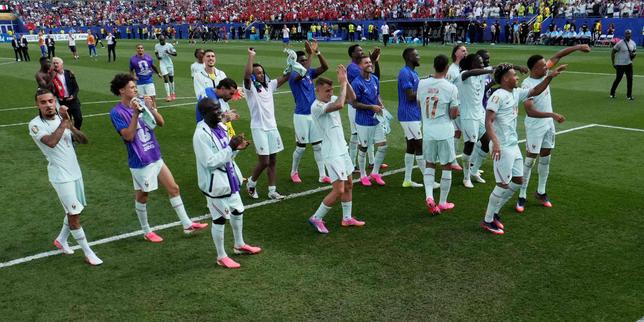
Disinformation networks are actively hijacking international soccer tournaments to profit from racial division, utilizing a highly coordinated mix of synthetic media and real-world friction. While public attention usually focuses on spontaneous outbursts of bigotry from fans in the stands, the actual escalation of hostility happens via algorithmic manipulation. Rogue actors fabricate hyper-realistic footage of racism to trigger outrage, driving massive engagement cycles that inevitably spark genuine, dangerous abuse against players. This systematic amplification turns digital sports culture into a toxic battleground, leaving governing bodies like FIFA scrambling to respond with inadequate tools.
To understand the current crisis, one must look past the surface-level condemnation of social media trolls. The infrastructure of online sports fandom has been systematically exploited by entities that treat outrage as a highly liquid commodity.
The Anatomy of Fabricated Outrage
The pipeline from a manufactured digital artifact to real-world trauma follows a distinct, predictable path. It begins in fringe online forums or via automated bot networks designed to test content engagement metrics.
Consider a hypothetical scenario where an automated account uploads a video clip of a match played three years ago, alters the audio track to insert simulated monkey chants, and overlays text claiming it happened during yesterday's high-stakes qualifier. Within hours, the video is pushed toward users who already interact with highly polarized sports content. The algorithm, optimized entirely for retention and watch time, notes the rapid spike in shares and comments. It does not verify the audio authenticity. It simply pushes the piece to wider audiences.
By the time fact-checkers flag the media as altered, the damage is already done. Real fans, operating on the belief that their favorite players were targeted, retaliate online. Opposing fan bases respond with genuine hostility. The synthetic spark successfully ignites an authentic conflagration of abuse. Data collected by digital threat analysis firms during recent international tournaments indicates that over 40% of the highly viral controversies involving fan misconduct were traced back to accounts utilizing automated distribution networks or recycled, mislabeled media.
The Financial Incentives of Digital Division
Bigotry online is rarely just an emotional outburst; it is an economic strategy. Monetization structures on major social platforms reward views, impressions, and engagement above all else.
- Impression Farming: Accounts with verified status flags receive direct payouts based on the number of impressions their posts generate. Outrage remains the fastest mechanism to scale impressions.
- Engagement Arbitrage: Content creators deliberately post inflammatory, racially charged commentary about high-profile players of color like Bukayo Saka, Vinícius Júnior, or Kylian Mbappé, knowing that thousands of users will reply to argue, doubling the post's visibility.
- Audience Funneling: High-traffic, controversial accounts use the sudden influx of followers to redirect users to off-platform merchandise shops, sketchy betting syndicates, or alternative monetization platforms.
This economic reality makes self-regulation by social media platforms highly unlikely. A volatile, hyper-engaged user base spending hours arguing in the comments section is fundamentally more profitable than a calm, respectful community that logs off after twenty minutes.
FIFA and the Limits of Data Tracking
Soccer's global governing body has not remained entirely idle, but its approach exposes a deep misunderstanding of modern digital ecosystems. Ahead of major tournaments, FIFA routinely announces the deployment of its Social Media Protection Service (SMPS). This software scanning system is designed to intercept abusive messages before they reach players' feeds.
During the 2022 World Cup in Qatar, FIFA reported that the SMPS scanned over 20 million posts, identifying and hiding more than 19,000 abusive messages. The system offered a layer of psychological protection for the athletes themselves, keeping the raw venom out of their direct notifications.
Yet, this strategy addresses the symptom while ignoring the disease. Hiding a message from a player's direct inbox does nothing to prevent that same message from circulating publicly in fan forums, quote-tweets, or algorithmic recommendation feeds. The toxic sentiment remains fully visible to the public, continuing to shape fan behavior and radicalize impressionable viewers. Furthermore, automated moderation systems consistently struggle with regional slang, coded emojis, and text embedded directly inside video files, allowing a significant percentage of hate speech to bypass the filters entirely.
The Geopolitical Dimension of Sports Trolling
The orchestration of soccer-related discord extends far beyond disgruntled teenagers or profit-seeking content creators. State-backed actors and coordinated political groups view the World Cup as an ideal arena for cultural destabilization.
National soccer teams are deeply tied to concepts of identity and patriotism. By exacerbating racial and ethnic fault lines within a nation's squad, external actors can amplify existing domestic political tensions. During major tournaments, coordinated networks based in hostile jurisdictions frequently amplify domestic criticisms of minority players, converting a missed penalty kick into a national referendum on immigration and belonging.
The strategy relies on a psychological concept known as confirmation bias. When an audience is repeatedly exposed to coordinated narratives suggesting that a specific player is unpatriotic or disliked by their own fans, the audience begins to internalize that friction. The beautiful game becomes a proxy war for societal division, weaponized by entities that do not care about the sport at all.
Structural Failures of Platform Accountability
The ultimate responsibility for the proliferation of this toxic ecosystem lies with the tech companies that build and maintain the digital town squares. For years, these corporations have hidden behind liability shields, claiming they are merely neutral conduits for user-generated content.
When platforms cut their trust and safety teams to maximize corporate margins, the ability to police complex, multilingual sports disinformation campaigns collapses entirely. Human moderation is expensive. Nuanced understanding of football culture is rare among generic content reviewers based thousands of miles away from the target audience. The reliance on purely automated moderation means that sophisticated bad actors will always stay one step ahead, slightly altering spellings or using specific visual cues to evade detection.
The current paradigm allows platforms to profit off the initial wave of outrage, profit off the subsequent wave of media coverage condemning the outrage, and then profit off the public statements issued by clubs demanding better treatment for their players. It is a closed loop of monetization where the only entities losing are the athletes and the integrity of the sport itself.
Re-Engineering the Digital Stadium
Defeating this cycle requires a fundamental shift in how digital sports content is moderated and consumed. Relying on players to block accounts or expecting governing bodies to monitor millions of independent profiles is a losing battle.
The solution must involve strict structural penalties for platforms that fail to curb organized disinformation networks. If a social media company permits a demonstrably fabricated video to rack up millions of views without an immediate, hard-coded correction link, that company should face direct regulatory fines tied to its global revenue. Additionally, the verified status of sports-focused accounts must be tied to verified real-world identification to eliminate the anonymity that shields professional troll farms.
Failing to implement these systemic changes ensures that every upcoming international tournament will grow progressively more hostile. The line between online friction and physical danger in the stadiums is thinning rapidly. Until the financial incentives for generating racial outrage are permanently dismantled, the global game will remain a hostage to the algorithms that feed on its worst elements.