If you've ever landed at Washington Dulles International Airport and found yourself herded onto one of those crawling, sci-fi-looking mobile lounges from 1962, you know the frustration. It feels like stepping into a time capsule that refuses to move at a reasonable speed. President Donald Trump recently pulled the curtain back on a massive, $22 billion plan to completely overhaul Dulles, tossing out the infamous "people movers" and dragging the capital's main international gateway into the modern era.
Let's look at what is actually changing, who is paying for it, and why travelers have been complaining about this airport for decades. Recently making headlines recently: Emergency Cabin Smoke Events The Mechanics of In-Flight Decompression and Diversion.
The End of the People Mover Era
For over sixty years, those elevated buses—officially called mobile lounges—have been a hallmark of the Dulles experience. Tourists hate them. Business travelers despise them. They are slow, crowded, and feel completely out of place in a modern aviation network.
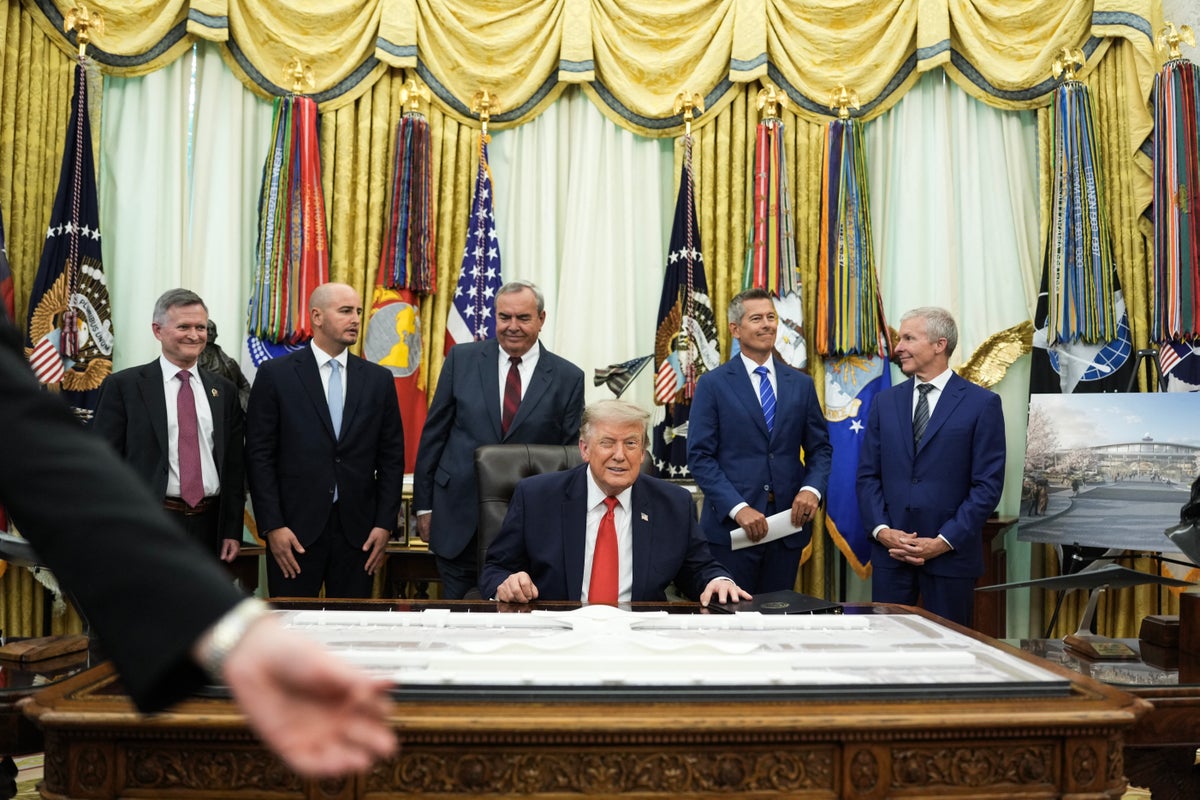
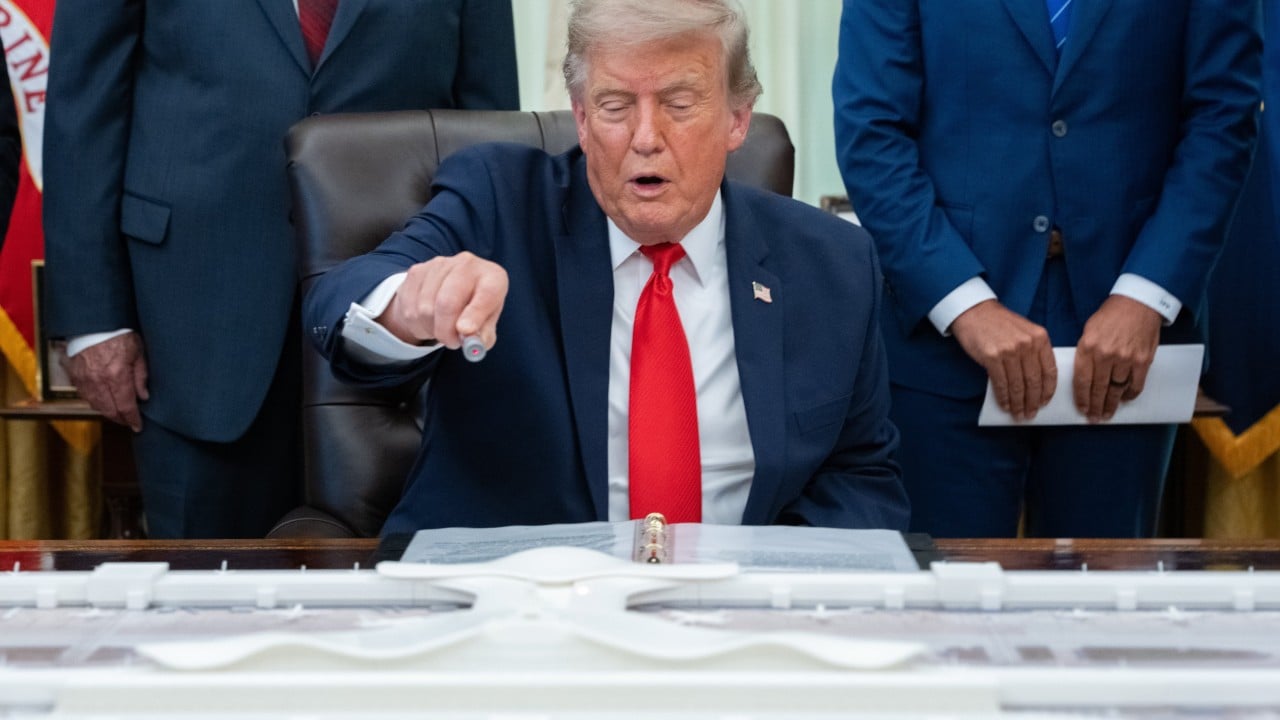
Under the newly unveiled blueprint announced at the White House alongside Transportation Secretary Sean Duffy and United Airlines CEO Scott Kirby, those awkward lounges are officially on the chopping block. Additional details regarding the matter are explored by Lonely Planet.
Instead, the airport is getting a major subterranean upgrade.
- A brand-new, expanded underground U-shaped aerotrain system will shuttle passengers efficiently between terminals.
- Moving sidewalks will stretch across expanded corridors to cut down walking fatigue.
- The notorious C and D concourses—frequently criticized as outdated disasters—are slated for complete demolition and replacement.
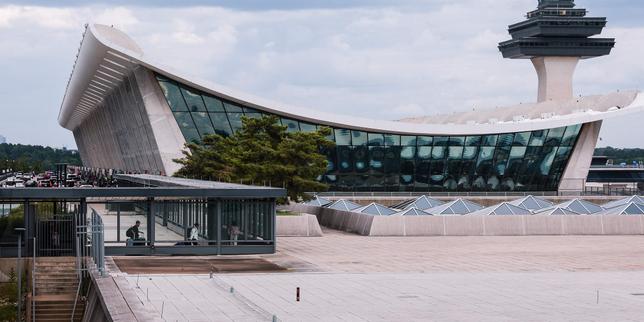
Eero Saarinen designed the iconic main terminal back in the 1960s, and that historical architectural landmark is staying put. Everything behind it, however, is getting ripped up and reimagined.
Who Foots the Bill for a $22 Billion Mega-Project?
Whenever a price tag hits $22 billion, taxpayers immediately wonder if their money is on the line. According to the Metropolitan Washington Airports Authority (MWAA), federal tax dollars aren't funding this massive undertaking.
The funding relies on a combination of airport-generated revenue, bond sales, and direct contributions from the airlines operating out of the hub—most notably United Airlines, which uses Dulles as a massive international connecting point. Because United rules the roost here, the plans also account for a massive expansion of passenger amenities, including a colossal new United Polaris business class lounge.
Getting approval from various stakeholders takes time, but airline leadership has already signaled support for the transformation.
Expanding the Footprint
The scope of this project goes way beyond swapping out old trains and concourses. Planners want to add more than 5 million square feet of brand-new or modernized space.
Parking has always been a pain point at IAD. The new blueprint maps out massive parking structures built much closer to the main terminal entrance, drastically cutting down the trek from your vehicle to the check-in counters. Customs and international arrival halls are also set for an overhaul to handle higher passenger volumes smoothly.
Critics have long pointed out that Dulles felt disjointed, forcing travelers through convoluted paths just to catch a connecting flight. This multi-year redevelopment aims to fix that structural layout flaw once and for all.
If you are flying through northern Virginia over the next few years, expect heavy construction zones. Check your gate assignments ahead of time, allow extra time for parking adjustments, and watch as the old mobile lounges finally become history.