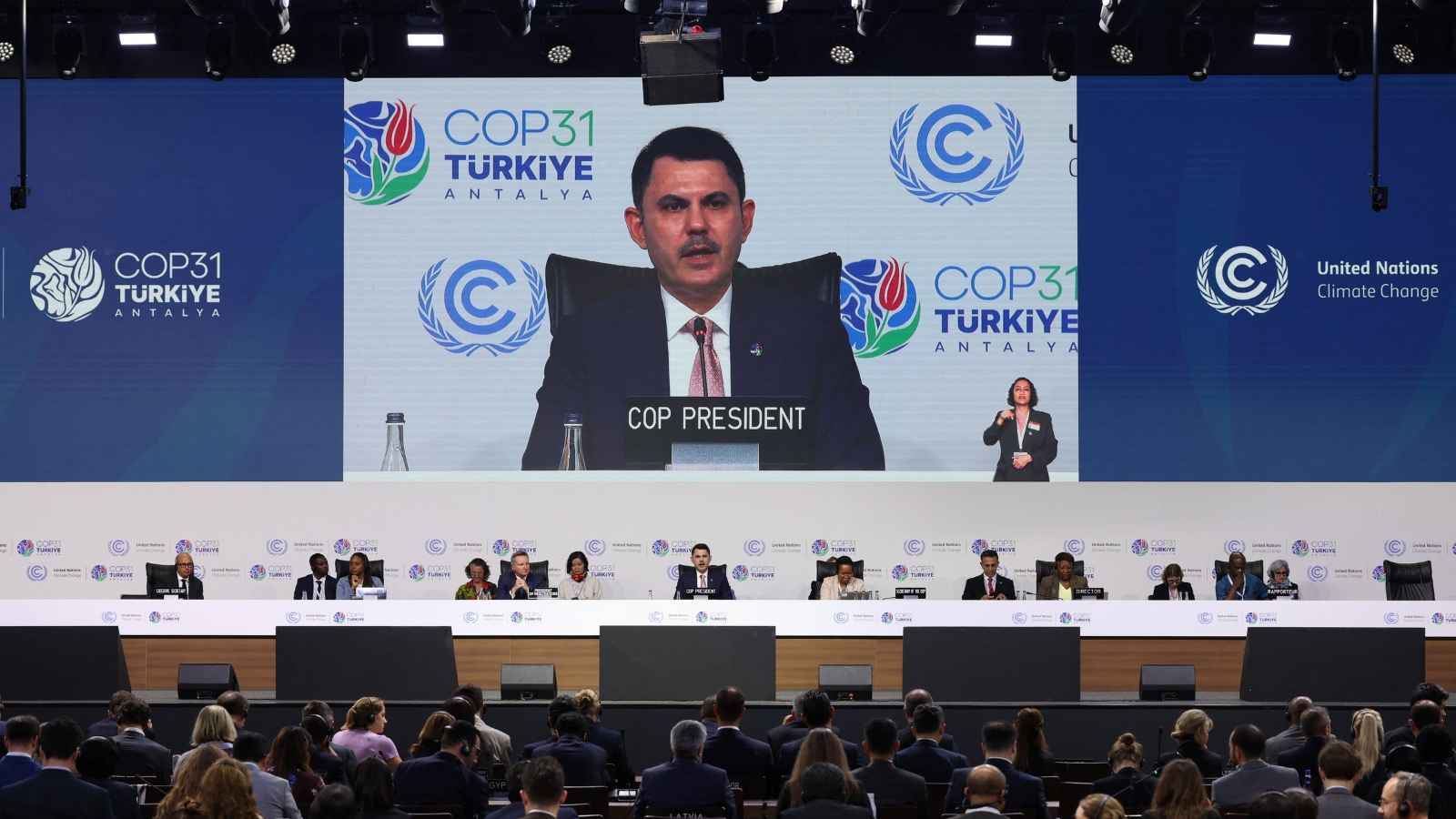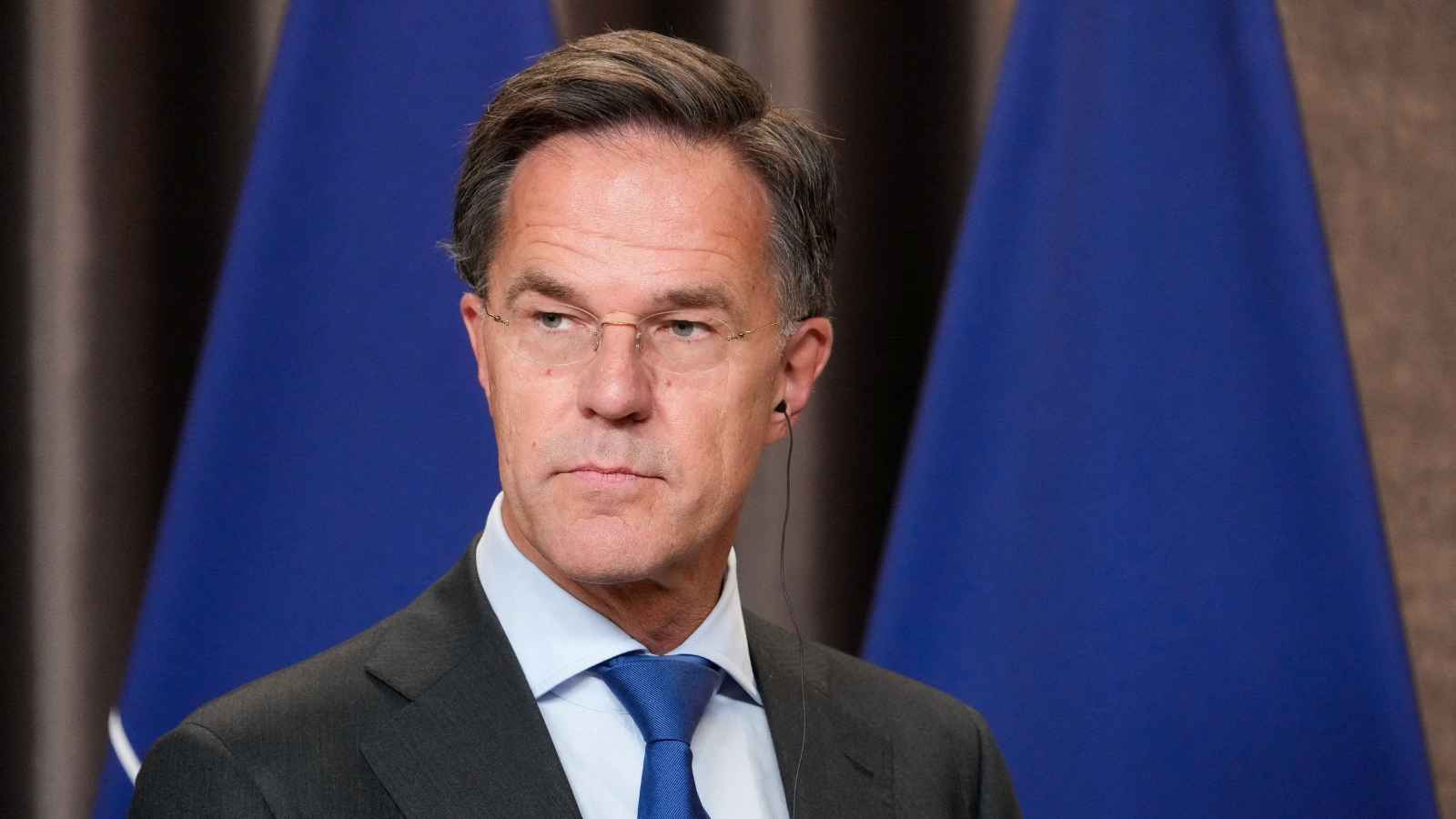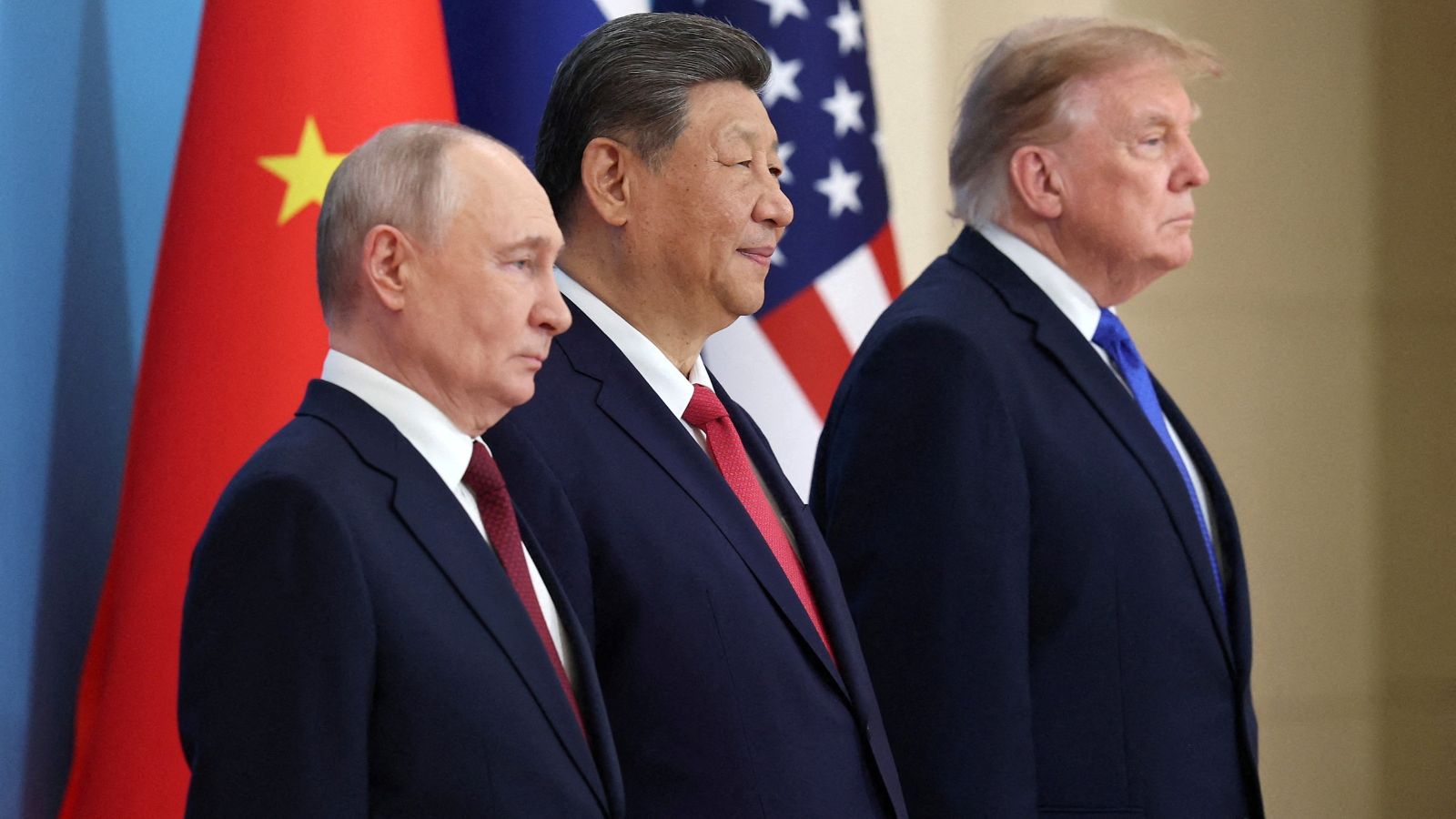
As Donald Trump pursues transactional diplomacy with Xi Jinping and Vladimir Putin, middle powers—nations like India, Brazil, Turkey, Saudi Arabia, South Korea, and Indonesia—are refusing to wait on the sidelines for superpowers to decide their fate. Instead of choosing sides in a renewed great-power competition, these regional heavyweights are actively hedging their bets, building independent trade networks, diversifying defense suppliers, and forming issue-specific coalitions that bypass Washington, Beijing, and Moscow entirely. They recognize a blunt geopolitical reality: when the world’s largest powers negotiate directly over spheres of influence, smaller and mid-sized nations risk becoming bargaining chips unless they establish their own centers of gravity.
The Architecture of Hedging and Multi-Alignment
For decades after the Cold War, international alignment operated on a predictable binary. Nations either integrated into the American-led security and financial architecture or remained on its periphery. That era is dead. Today, foreign policy analysts and diplomats across the Global South and Europe describe the prevailing strategy not as non-alignment, which implied passive neutrality during the twentieth century, but as multi-alignment.
Multi-alignment is transactional, unsentimental, and aggressively self-interested. According to international relations scholars at institutions like the Carnegie Endowment for International Peace and Chatham House, middle powers have observed how bilateral summits between Washington and Beijing, or overtures between the White House and the Kremlin, can abruptly shift trade tariffs, security guarantees, and diplomatic priorities overnight. When superpower commitments appear conditional on the personalities occupying top offices, reliance on a single patron becomes an existential vulnerability.
Consider how this plays out in practice. A country like India maintains deep strategic and technological cooperation with the United States through the Quad security dialogue while simultaneously purchasing discounted Russian crude oil, participating in the BRICS bloc alongside China and Russia, and expanding defense ties with France and Israel. New Delhi is not confused about its loyalties. Its loyalty is exclusively to its own rapid economic development and border security.
Similarly, Gulf states such as Saudi Arabia and the United Arab Emirates have recalibrated their foreign policies with remarkable speed. While still relying on American weapons systems and security cooperation, Riyadh has normalized diplomatic relations with Iran through Chinese mediation, joined BRICS, and engaged directly with Moscow through the OPEC+ cartel to manage global oil supply and pricing—often in direct defiance of Washington's stated preferences for lower energy costs.
Why Bilateral Superpower Summits Trigger Regional Anxiety
To understand why middle powers are accelerating their autonomy, you have to look at the mechanics of great-power bilateralism. Whenever a U.S. president signals a willingness to strike grand bargains directly with Xi Jinping on trade or with Vladimir Putin on European security, alarms ring in capitals from Warsaw to Tokyo and from Brasília to Seoul.
Historians frequently point to the 1945 Yalta Conference as the ultimate cautionary tale for mid-sized nations—a moment when great powers drew lines across maps without consulting the people living inside those borders. While modern diplomacy rarely involves outright territorial division at a single table, the structural anxiety remains identical.
In East Asia, South Korea and Japan watch U.S.-China negotiations with intense scrutiny. If Washington prioritizes a bilateral trade agreement with Beijing—perhaps exchanging tariff reductions for Chinese purchases of American agricultural and manufactured goods—allies worry that regional security commitments or defenses against economic coercion could be quietly diluted. In response, South Korea has transformed itself into one of the world’s top defense exporters, selling tanks, artillery, and fighter jets to Poland, Australia, and the Middle East. By building an indigenous defense industrial base, Seoul ensures it is not merely a security consumer dependent on American manufacturing capacity, but an indispensable supplier to other middle powers.
In Europe, the prospect of bilateral Washington-Moscow negotiations over the war in Ukraine has forced European nations to confront decades of underinvestment in their own defense. Poland, the Baltic states, and Nordic countries have dramatically increased military spending, forged bilateral defense pacts, and pushed for deeper European Union defense integration. Even nations traditionally cautious about military buildup recognize that outsourcing continental security entirely to an unpredictable electorate across the Atlantic is no longer viable.
The Quiet Revolution in Trade, Currency, and Supply Chains
Geopolitics is rarely just about tanks and treaties; it is fundamentally about money, supply chains, and resource control. Here, middle powers are executing their most consequential moves away from the headlines.
For years, the weaponization of the U.S. dollar through sweeping financial sanctions—alongside Beijing’s willingness to restrict exports of critical minerals and weaponize market access—convinced finance ministries across Asia, Latin America, and the Middle East that over-dependence on single-currency clearing systems and concentrated supply chains poses a severe sovereign risk.
Central banks in emerging and middle-power economies have responded in three concrete ways:
- Local Currency Settlement Agreements: Bilateral trade deals settled in local currencies rather than the U.S. dollar have proliferated. India and the UAE have conducted crude oil trades in rupees and dirhams. Brazil and China have established clearing arrangements allowing exporters and importers to transact directly in reais and yuan. While these mechanisms do not dethrone the dollar as the primary global reserve currency, they create parallel plumbing that insulates bilateral trade from third-party sanctions and exchange-rate shocks.
- Aggressive Gold Accumulation: According to data from the World Gold Council, central banks—led overwhelmingly by middle powers and emerging markets including Poland, India, Turkey, and Singapore—have purchased gold at historic multi-year highs. Gold carries no counterparty risk. It cannot be frozen by a foreign treasury department or devalued by another nation's monetary policy.
- Resource Nationalism and Value-Chain Capture: Countries sitting atop the raw materials required for the green energy transition and advanced electronics are refusing to remain mere exporters of raw ore. Indonesia banned the export of unprocessed nickel ore, forcing foreign companies—primarily Chinese and South Korean firms—to build smelters and battery manufacturing plants inside Indonesia. Chile and Argentina are asserting greater state oversight and demanding local processing commitments for their vast lithium reserves.
This is a fundamental shift in global political economy. Middle powers are using their control over critical inputs—energy, food, minerals, and manufacturing labor—to extract technology transfer and capital investment from both Washington and Beijing without surrendering political sovereignty to either.
Minilateralism Replaces Broken Multilateralism
If you look at the traditional post-World War II institutions, gridlock is the defining feature. The United Nations Security Council is routinely paralyzed by vetoes from its permanent members. The World Trade Organization’s appellate body has been rendered largely dysfunctional, leaving global trade disputes without binding arbitration.
Middle powers have not wasted time mourning these institutions. Instead, they have embraced minilateralism—small, nimble, issue-specific coalitions designed to solve concrete problems without waiting for global consensus.
Consider the proliferation of these groupings over the past few years:
- The India-Middle East-Europe Economic Corridor (IMEC): Announced on the sidelines of the G20, this infrastructure and rail-and-port network aims to connect India, the Arabian Peninsula, and Europe, offering an alternative trade route to China’s Belt and Road Initiative while boosting regional integration across the Middle East.
- The Mineral Security Partnership (MSP): Bringing together nations like Australia, Canada, South Korea, Japan, India, and European partners alongside the United States, this coalition focuses on securing and processing critical minerals outside of Chinese monopolies.
- Expanded BRICS: With the addition of countries like Egypt, Ethiopia, Iran, and the UAE—and active interest from dozens more—BRICS has evolved into a sprawling forum where middle powers coordinate on development finance through the New Development Bank and push for greater voting weight in the International Monetary Fund and World Bank.
- AUKUS and JAPHUS: In the Indo-Pacific, Australia, Japan, and the Philippines are knitting together overlapping intelligence, maritime patrol, and defense technology agreements that link regional allies directly to one another, creating a latticework of security rather than a traditional hub-and-spoke model centered solely on Washington.
What makes minilateralism effective is its low diplomatic overhead. Countries do not need to agree on human rights, governance models, or broader ideological questions to cooperate on submarine cable security, maritime piracy, or semiconductor supply chains. They simply identify a shared material interest and build a mechanism to protect it.
The Internal Contradictions and Limits of Middle-Power Autonomy
It is easy to romanticize the rise of middle powers as the dawn of a fairer, multipolar world. A sober look at the facts reveals serious limitations and vulnerabilities that could easily derail their ambitions.
First, middle powers frequently distrust one another far more than they distrust distant superpowers. Regional rivalries are intense and deeply rooted. India and China share a disputed, militarized Himalayan border that limits how far BRICS cooperation can realistically go. Saudi Arabia and the UAE compete fiercely for regional economic dominance, foreign headquarters, and influence in Red Sea politics. In Southeast Asia, ASEAN nations struggle to form a unified front on South China Sea territorial disputes because individual members have vastly different economic dependencies on Beijing.
Second, strategic autonomy is expensive. Maintaining redundant supply chains, funding domestic defense industries, and subsidizing local manufacturing require massive fiscal capacity. Many middle powers face aging populations, high public debt, or vulnerability to global interest rate spikes. When a financial crisis hits, ideological commitments to multipolarity quickly evaporate in favor of whoever can provide immediate liquidity—which is still disproportionately the U.S. Federal Reserve, the IMF, or Chinese state banks.
Third, military deterrence remains heavily asymmetric. When regional conflicts escalate beyond diplomacy, middle powers often discover the limits of their independent capabilities. In the Red Sea, when Houthi attacks disrupted global shipping lanes, neither regional Arab powers nor European navies possessed the sustained munition stockpiles and satellite intelligence architecture required to mount a large-scale response without the U.S. Navy leading the operational burden. Similarly, in East Asia, no combination of regional militaries can currently match China’s naval shipbuilding capacity or nuclear arsenal without the backing of the American nuclear umbrella.
How Superpowers Are Forced to Adapt
The assertive posture of middle powers has fundamentally altered the diplomatic playbook in Washington, Beijing, and Moscow. None of the three major powers can take alignment for granted anymore.
In Beijing, policymakers have realized that heavy-handed "wolf warrior" diplomacy and overt economic coercion—such as trade restrictions placed on Australia or South Korea in past years—backfire by driving middle powers closer to Washington and accelerating supply chain diversification away from China. Consequently, Beijing has pivoted toward aggressive charm offensives, offering visa-free travel, green technology investments, and infrastructure financing while framing itself as a champion of the Global South against Western protectionism.
In Moscow, isolated from Western capital markets and technology by sanctions, the Kremlin’s survival depends entirely on middle powers. Russia relies on India and China to buy its crude oil, on Turkey and Central Asian states as vital transit hubs for parallel imports of dual-use goods, and on nations across Africa and Latin America to prevent complete diplomatic isolation at the United Nations. Far from dictating terms to the Global South, Moscow is increasingly forced to offer steep commodity discounts and technology transfers just to keep its economy running.
In Washington, the challenge is equally acute. Lecture-heavy diplomacy demanding that countries choose between "democracy and autocracy" has fallen flat in capitals focused on infrastructure, energy security, and poverty reduction. Whether under a transactional administration or a traditional institutionalist one, American diplomats are discovering that influence in the late 2020s requires concrete economic offers—market access, capital investment, and technology sharing—rather than rhetoric about the rules-based international order.
The New Reality of Global Power
We are not witnessing a clean transition from a unipolar American world to a bipolar U.S.-China Cold War. Instead, the international system is fracturing into an asymmetric, multi-tiered arena where superpowers still hold ultimate military and financial trump cards, but middle powers hold the swing votes that determine whether global initiatives succeed or fail.
When Donald Trump sits down with Xi Jinping or Vladimir Putin, the handshakes and bilateral communiqués will dominate cable news broadcasts and financial market headlines. Yet the real structural shifts of the next decade are being drafted in Ankara, New Delhi, Riyadh, Brasília, Seoul, and Jakarta. Every bilateral currency swap, every domestic lithium refinery, and every regional defense pact quietly erodes the ability of any single capital to dictate terms to the rest of the world. Superpowers can still start wars and trigger global recessions, but they can no longer command obedience—and middle powers are building the leverage to make sure they never have to again.