Cold. That is the first thing you notice when you stand outside a suburban gymnasium at six in the morning in early November, breathing plumes that vanish into the gray dawn while the rest of the street sleeps behind drawn blinds.
Inside, folding chairs scrape across scuffed hardwood. A poll worker with a fleece vest and a laminated badge taps a pen against a clipboard, waiting for the first early risers—retired teachers, shift nurses, people who treat voting like brushing their teeth. Out here, in the quiet before the storm, nobody talks about grand strategy. Nobody mentions geopolitical deterrence or sovereignty over coffee. Yet every single person stepping toward those privacy booths carries the weight of a foreign conflict that was supposed to be a triumph, a necessary test of strength, a decisive stroke on the world stage.
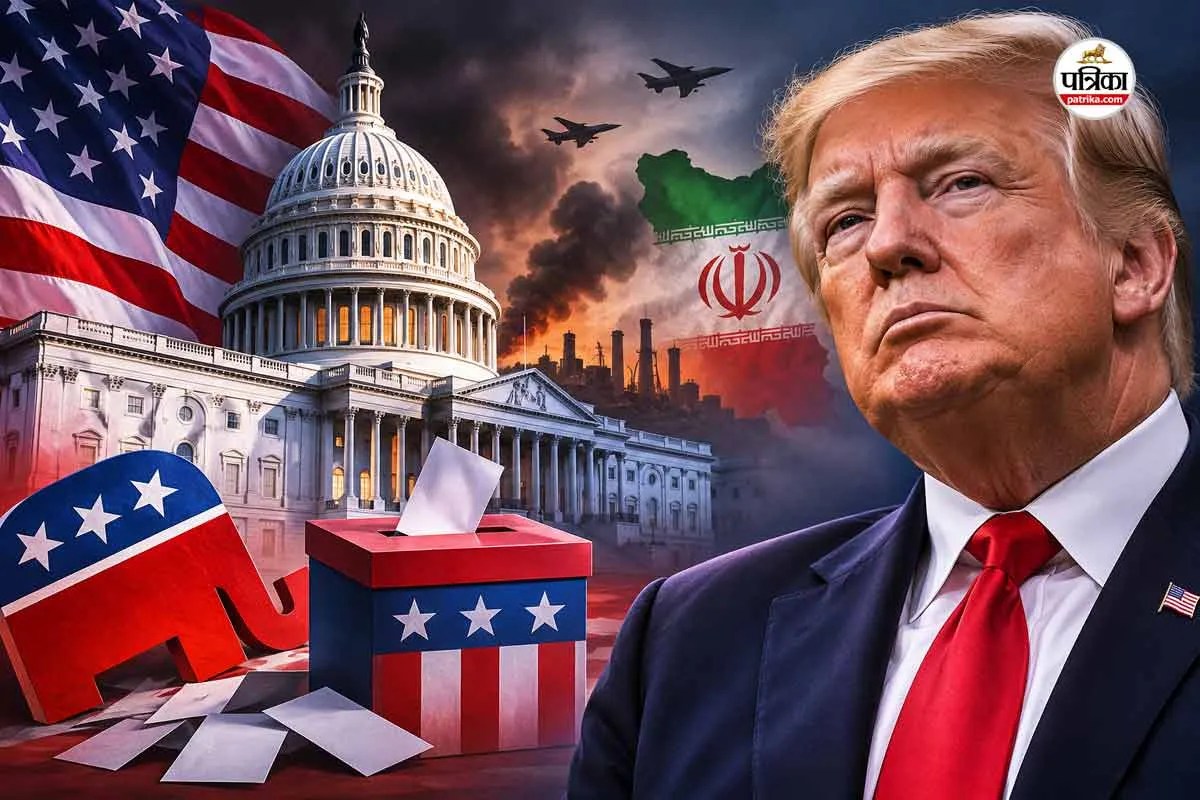
Instead, the 2026 US midterm elections turned into a reckoning over distance, cost, and power.
Consider what happened when a president framed an overseas confrontation as indispensable to national security. From the podium, escalation looks clean. Maps get drawn with sharp markers. Press briefings speak of red lines, credibility, and resolve. On paper, foreign policy belongs to the executive branch—a chess game played far from the grocery aisle. Voters rarely decide midterm races solely over a border skirmish or a naval deployment thousands of miles away. Usually, pocketbook anxieties win the day: interest rates, housing, healthcare premiums, local school boards.
But wars have a way of shrinking geography. When fuel prices twitch upward because a shipping lane grows tense, or when defense appropriations crowd out domestic spending debates, or when families watch news clips of young service members deployed into harm's way without a clear exit ramp, foreign policy stops being abstract. It becomes personal. It enters the kitchen.
(Note: The following character is a hypothetical composite created to illustrate how voters weighed foreign intervention against everyday pressures during the 2026 cycle.)
Call him David. Forty-four years old, a logistics coordinator in Ohio who spent twelve years in the Army Reserve before hanging up his boots to coach Little League and pay off a mortgage. David is not a political theorist. He does not subscribe to policy journals. When the administration argued that confronting an external adversary was vital so America would not look weak, David nodded along at first. Strength matters. Nobody with a lick of sense wants an emboldened rival testing alliances or threatening global trade.
By autumn, though, David's patience was frayed. His cousin's unit had been put on alert. His freight routing costs had jumped again, forcing tough conversations at work about overtime and margins. Worse, every time he asked what "victory" actually looked like—what month the troops came home, what price tag the country was absorbing, whether allies were carrying real weight or hiding behind American muscle—the answers sounded rehearsed.
Voters like David didn't wake up on Election Day wanting to hand Congress to the opposition out of spite. Many had backed the president's tough rhetoric before. They wanted a check. A brake pedal. When a leader insists a fight is mandatory and the public starts suspecting the fight has no clear finish line, the ballot becomes the sharpest tool a citizen owns to reclaim executive accountability.
Why Overseas Resolve Collides With Domestic Power
History is littered with leaders who assumed decisive action abroad would rally the home front, only to discover that voter fatigue sets in faster than diplomats expect.
Think of it like turning up the thermostat in a house with drafty windows. For ten minutes, the warmth feels reassuring. You hear the furnace kick on and feel protected against the winter chill outside. Keep cranking it, though, and the air turns dry, the electric meter spins like a roulette wheel, and everyone starts complaining about headaches. Eventually, someone walks over and turns the dial back down—not because they love the cold, but because the cost no longer matches the comfort.
That is the trap of selling a military or strategic confrontation as an existential necessity. The bar is set sky-high. If the campaign drags on, or if costs spill into inflation and supply chains, or if public trust in official timelines erodes, the very foreign policy meant to project dominance can weaken the president's leverage at home.
In the American system, a midterm wave does more than swap committee chairs. It alters the math of governance. A shift in control on Capitol Hill changes who subpoenas documents, who holds up confirmations, who shapes spending bills, and how loudly lawmakers can challenge war powers or demand oversight. Even when constitutional authority tilts toward the commander-in-chief on troop movements, Congress holds the purse strings and the bully pulpit. Losing ground in a midterm turns unchallenged momentum into gridlock, negotiation, and political friction.
Foreign capitals watch those shifts closely. Allies calculate whether a weakened mandate means policy whiplash after the next cycle. Adversaries probe for hesitation or division in Washington. A president who campaigned on unyielding strength suddenly has to bargain for votes on domestic priorities while defending an unpopular or costly overseas posture.
The Quiet Doubts Voters Carry Into the Booth
Let's be honest about how messy this actually is. Even seasoned analysts argue over what moves midterm turnout. Was it the foreign conflict alone? Almost never in isolation. Voters react to a bundle of pressures—cost of living, frustration with Washington's tone, local candidates, enthusiasm gaps on the ruling party's side versus anger on the challenger's side.
I have sat in enough living rooms and diner booths during election seasons to know that people rarely sort their lives into neat political buckets. A woman voting in Pennsylvania might care deeply about rising grocery bills and feel uneasy about escalating tensions abroad. A small-business owner in North Carolina might admire tough talk toward rivals while worrying that global instability is rattling markets. When an administration puts heavy chips on a foreign crisis, every domestic irritation gets filtered through that lens. If things feel expensive or unsettled at home, a costly struggle abroad feels harder to justify.
That tension creates a real vulnerability for any incumbent. The more a leader ties their credibility to a high-stakes international confrontation, the more dangerous it becomes when voters feel squeezed on everyday essentials. "Necessary" is a heavy word. Once people doubt it, skepticism spreads fast.
What Happens When Power Shifts Midstream
Consider what follows when voters clip a president's congressional majority over a contentious foreign policy:
- Scrappier oversight: Lawmakers gain sharper leverage to demand intelligence briefings, cost breakdowns, and clear objectives rather than taking assurances at face value.
- Tighter budget friction: Domestic spending fights collide with defense and international aid requests, forcing compromises that slow down executive plans.
- Changed diplomatic leverage: Foreign leaders read domestic election results as a barometer of staying power, adjusting their own timelines and bargaining positions accordingly.
- Sharper camp divides: Within the president's own coalition, frustration mounts between hawks pushing harder and populists or war-weary voters urging restraint.
None of this erases the world's dangers overnight. Adversaries do not pause their ambitions just because American voters are tired. Alliances still need tending. Trade routes still matter. Yet politics runs on consent, and consent in a democracy is conditional. When citizens feel their voices are being drowned out by drums of conflict—or when they suspect the bill is coming due on their own street—they reach for the one lever that forces Washington to listen.
Back outside that gymnasium at dawn, the line has grown longer. People stamp their boots on the concrete mat, tuck phones into coat pockets, and step inside to pull a lever or feed a ballot into the scanner. No speeches echo in the hallway. No cameras flash. Just ordinary citizens deciding how much power to grant, how much risk to tolerate, and what kind of price they are willing to pay in the name of necessity.
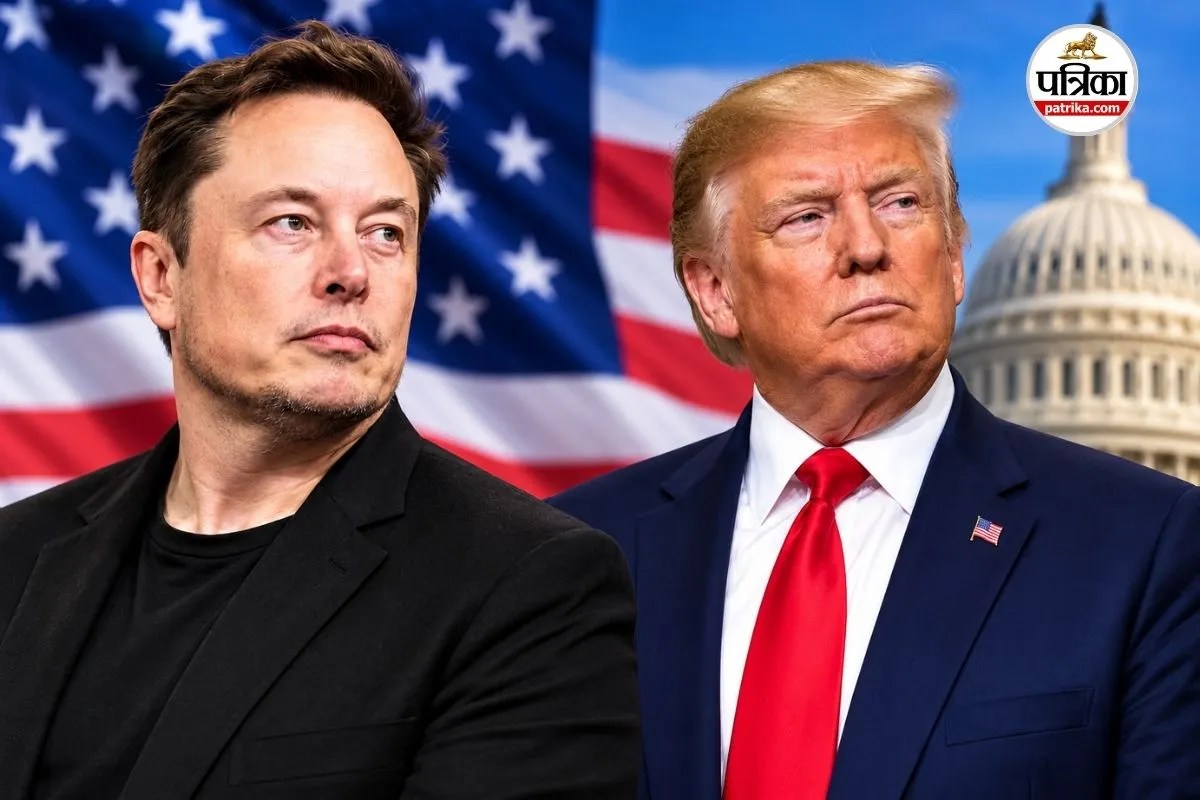
When the votes are counted and the headlines declare a verdict on Trump's foreign policy and the 2026 midterms, the lesson is deceptively simple. Power abroad is fragile if it outruns patience at home.
A single ballot never stops a war on its own, yet a thousand small choices at neighborhood precincts can strip away the political wind behind it—leaving a leader to face the world with a louder chorus of doubt at their back.