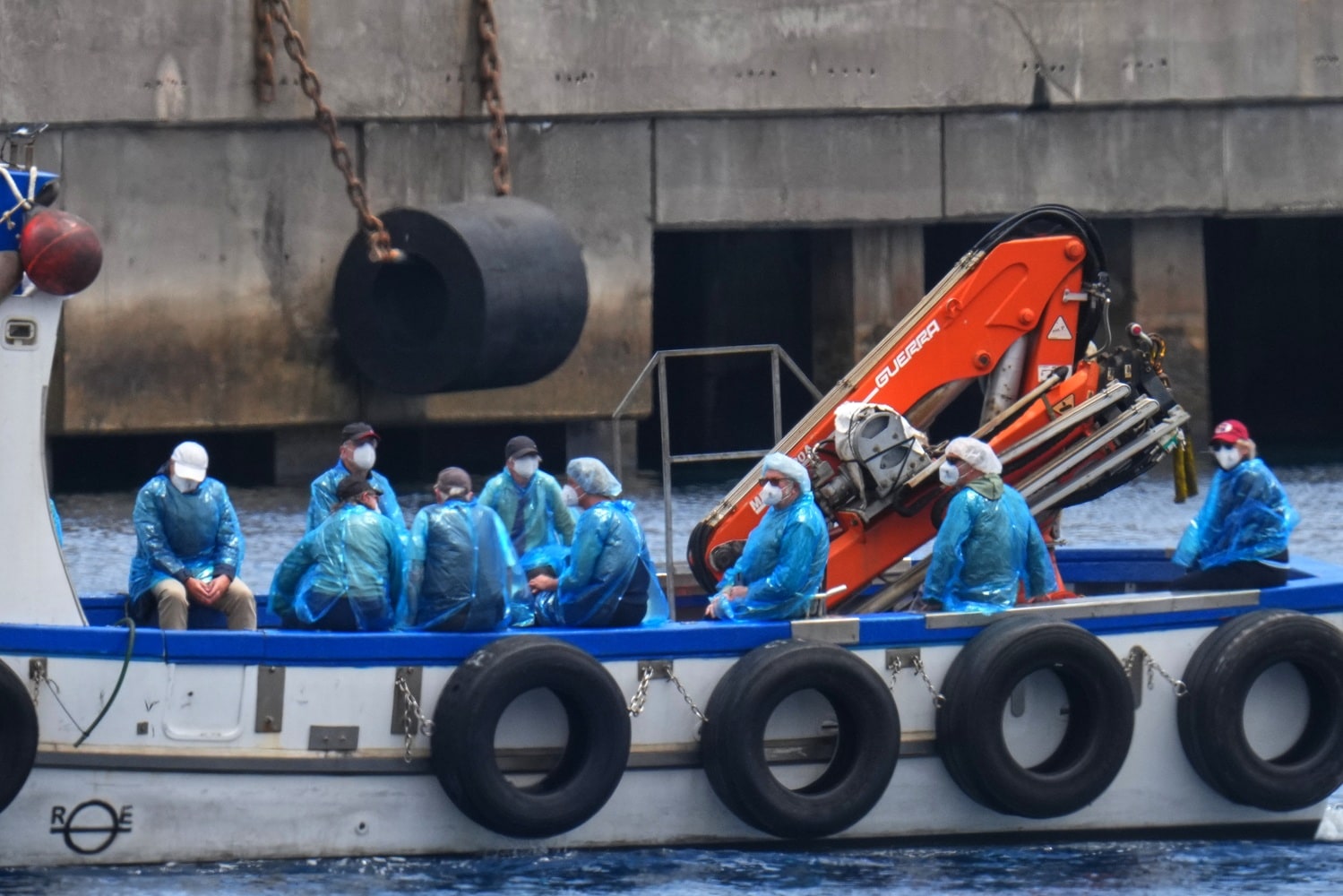
The detection of hantavirus in an asymptomatic American traveler evacuated from the MV Hondius represents a critical case study in the friction between high-density tourism and zoonotic spillover dynamics. Standard epidemiological models often rely on symptomatic presentation to trigger screening protocols; however, this incident exposes a failure in current bio-surveillance frameworks. The disconnect between viral presence and clinical manifestation suggests that the maritime travel industry operates on a reactive rather than a predictive risk model, ignoring the latent biological threats inherent in remote expeditionary logistics.
The Mechanism of Pathogen Introduction in Isolated Environments
The MV Hondius, an ice-strengthened expedition vessel, operates in environments characterized by extreme isolation and high biological sensitivity. In these closed-loop systems, the introduction of a viral agent follows a deterministic path of transmission that bypasses standard port-of-entry filters. Hantavirus, primarily associated with Bunyavirales, is not a single entity but a genus of viruses primarily hosted by rodents. The specific strain in this incident likely originated from environmental exposure prior to embarkation or through the breach of the vessel's sanitary perimeter by local reservoir hosts during provisioning.
Pathogen transmission in these contexts is governed by the Vector-Host-Environment Triad:
- Aerosolization Dynamics: Hantavirus is typically contracted via the inhalation of viral particles from dried rodent excreta. In the cramped, recirculated air environments of a maritime vessel, the probability of exposure increases significantly if the pathogen enters the HVAC or storage systems.
- The Asymptomatic Variance: The patient’s lack of symptoms creates a "detection shadow." Traditional screening—thermal imaging, visual inspection, or self-reporting—fails entirely when the viral load does not reach a threshold of clinical morbidity.
- Expeditionary Logistics: Remote travel involves frequent transitions between urban hubs and wilderness areas. This creates a bridge for pathogens that are geographically "locked" in specific ecological niches to enter global transit networks.
Defining the Asymptomatic Hantavirus Profile
The clinical significance of an asymptomatic hantavirus infection lies in its challenge to the established understanding of Hantavirus Pulmonary Syndrome (HPS) and Hemorrhagic Fever with Renal Syndrome (HFRS). Historically, hantavirus is viewed through its high mortality rates—often exceeding 35% for certain New World strains. The American traveler’s case indicates a divergence in the viral-host interaction that warrants a reassessment of the Pathogenic Threshold.
This threshold is the point at which viral replication triggers a systemic inflammatory response. In the MV Hondius case, the absence of symptoms suggests one of three biological realities:
- Low Initial Inoculum: The quantity of viral particles inhaled was insufficient to trigger a cytokine storm, but enough to establish a detectable presence in the blood.
- Host Immunological Resilience: The individual's innate immune system effectively suppressed viral replication before it could damage the vascular endothelium, the primary target of hantavirus.
- Strain Attenuation: The specific viral variant may lack the virulence factors necessary to cause severe disease in humans, representing a lower-tier risk profile within the hantavirus genus.
Structural Failures in Maritime Bio-Security
The evacuation process from the MV Hondius highlights a bottleneck in international health regulations. When a passenger is evacuated for a non-viral reason—often orthopedic injuries or cardiovascular events in expedition cruising—the subsequent discovery of an unrelated viral infection creates a "surveillance surprise." This indicates that current maritime health protocols are siloed. They manage the immediate trauma but lack the diagnostic depth to identify concurrent biological threats.
The maritime industry’s current risk mitigation strategy relies heavily on Vessel Sanitation Programs (VSP). These programs focus on gastrointestinal pathogens like Norovirus but are ill-equipped for zoonotic respiratory or hemorrhagic agents. The second limitation is the reliance on shore-based diagnostic infrastructure. Expedition vessels lack the point-of-care (POC) molecular diagnostic tools, such as portable RT-PCR, required to identify viral RNA in real-time.
The Economics of Medical Evacuation and Bio-Risk
Medical evacuations (MEDEVACs) from polar or remote regions are high-cost, high-risk operations. The cost function of a MEDEVAC includes:
- Operational Disruption: Deviating a vessel from its planned itinerary incurs fuel costs and potential refund liabilities for other passengers.
- Logistical Complexity: Utilizing aircraft or secondary vessels in sub-zero environments increases the probability of secondary accidents.
- Public Health Signaling: The discovery of a hantavirus case on a specific vessel creates a brand-risk deficit that can lead to charter cancellations and increased insurance premiums.
This specific case proves that the financial risk of a pathogen is not tied to its lethality, but to its presence. An asymptomatic passenger can trigger the same level of bureaucratic and logistical friction as a symptomatic one, provided the diagnostic data is publicized. This creates a perverse incentive for operators to minimize testing, which in turn increases the long-term risk of a massive, uncontained outbreak.
Re-engineering Surveillance for Expeditionary Travel
To address the gaps exposed by the MV Hondius incident, the travel industry must shift from a passive surveillance posture to an Active Biological Perimeter model. This involves the integration of environmental DNA (eDNA) monitoring and standardized rodent-proofing protocols that exceed current international standards.
- Environmental eDNA Sampling: Implementing regular swabbing of cargo holds and food storage areas to detect viral genetic material before human exposure occurs.
- Molecular Triage: Equipping expedition vessels with portable sequencing technology (e.g., MinION) to allow shipboard doctors to differentiate between common influenza and high-consequence pathogens like hantavirus.
- Reservoir Mapping: Cross-referencing vessel itineraries with known rodent reservoir hotspots to heighten vigilance during specific legs of a journey.
The transition of hantavirus from a localized environmental risk to a maritime travel concern necessitates a total overhaul of passenger health records. Knowing a traveler's previous exposure or regional origin becomes a vital data point in the Risk Stratification Matrix.
Strategic Imperatives for Global Health Authorities
The hantavirus detection in an asymptomatic traveler is a "black swan" event that reveals the fragility of global biosecurity. The primary vulnerability is the speed of modern travel relative to the incubation period of zoonotic diseases. A traveler can be exposed in a rural setting, board a high-density vessel, and traverse multiple international borders before a single symptom appears—or, as in this case, never appear at all while still serving as a potential data point for viral spread.
The necessary shift is toward Pathogen Agnostic Screening. Instead of testing for specific known threats, authorities must monitor for deviations in baseline health data and environmental signatures. This incident demands that we stop treating maritime vessels as isolated vacation pods and start viewing them as mobile bio-observatories.
Operators must now implement a Tiered Response Framework:
- Pre-embarkation Zoonotic Screening: Mandatory reporting of recent travel to high-risk rural areas where hantavirus, leptospirosis, or similar agents are endemic.
- Integrated Pest Management (IPM) 2.0: Shifting from reactive extermination to a "sealed vessel" architecture that treats the ship as a laboratory-grade environment.
- Real-time Bio-Reporting: Establishing a direct, encrypted data link between shipboard medical facilities and global health databases like ProMED or the WHO’s GISRS to ensure that even asymptomatic cases are logged and analyzed for mutation trends.
Failure to adopt these structured analytical frameworks ensures that the next zoonotic spillover will not be discovered during a routine evacuation, but rather when the vessel becomes a floating incubator for a virulent, symptomatic outbreak. The MV Hondius incident is not an isolated medical anomaly; it is a signal that the barrier between wilderness pathogens and global transit has become dangerously porous.