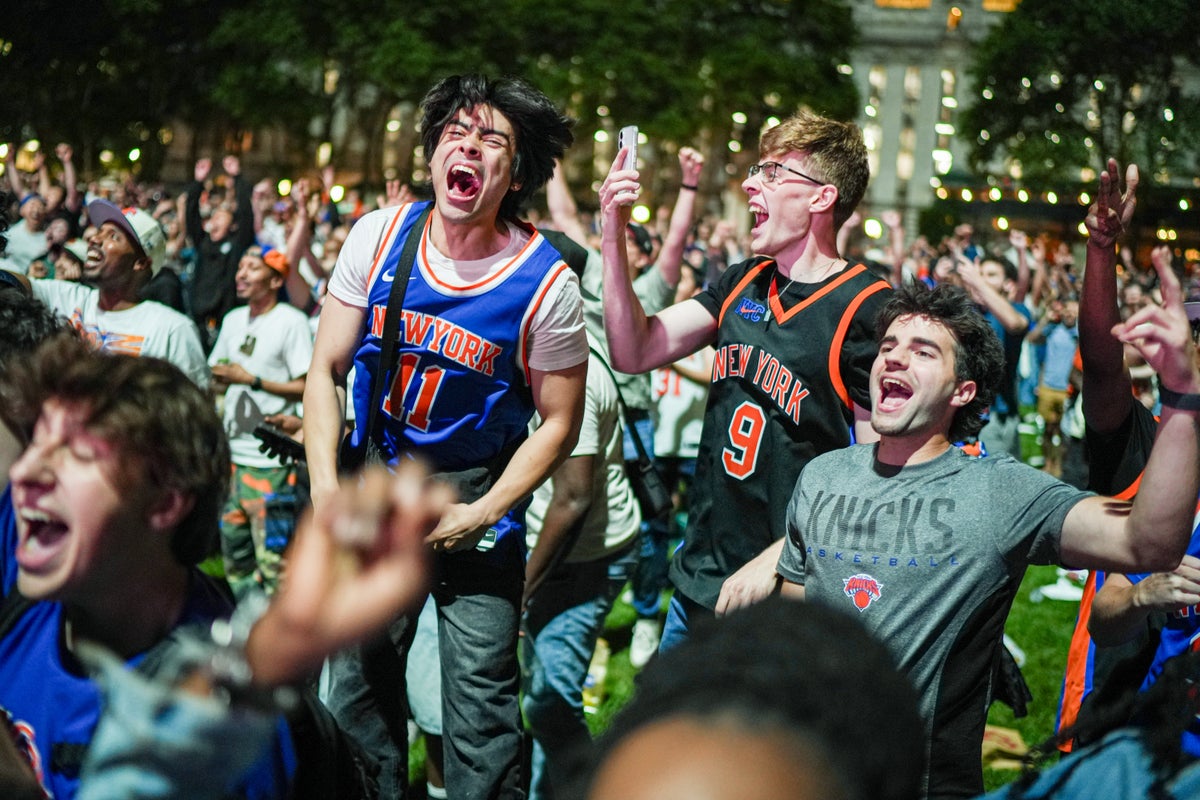
The roar of a stadium is a specific kind of magic. It is the sound of eighty thousand people, stripped of their political anxieties, their tax brackets, and their cultural divides, screaming for the exact same thing. For ninety minutes, a colored piece of fabric on a jersey is the only identity that matters. You could be sitting next to a billionaire or a mechanic, and when the ball hits the back of the net, you are brothers.
But if you look away from the pitch and cast your eyes upward toward the glass-fronted luxury suites, the magic evaporates. Up there, the air is air-conditioned. The champagne flows. And the game isn't a sport; it is a global chessboard.
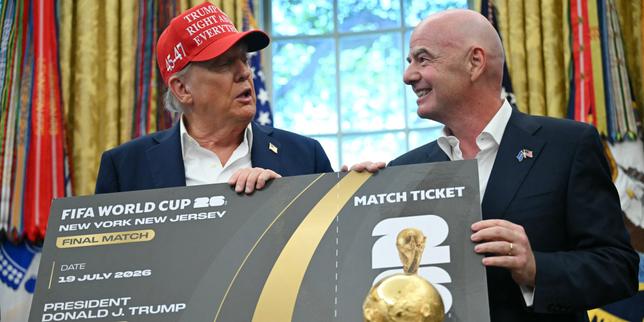
Lately, the man sitting in the center of that chessboard is Gianni Infantino, the president of FIFA.
Football—or soccer, depending on your geography—has long survived on a beautiful lie. That lie is the concept of absolute neutrality. Statutes literally forbid political interference. Teams have been banned from World Cups because their governments meddled in their local football associations. The message from Zurich was always clear: we are a state unto ourselves, pristine and untouched by the muck of global politics.
Then came Mar-a-Lago.
Picture the scene. It is a glittering gala in Florida. The music is loud, the jewelry is heavy, and Donald Trump is taking the stage. Beside him stands Infantino. The FIFA president doesn't just look like a guest; he looks like an apostle. Trump speaks into the microphone, calling Infantino "the most respected man in sports." Infantino beams. Later, there are videos of Infantino clapping at rallies, sitting in Trump’s private boxes, and flashing grins that look less like a neutral sports administrator and more like a campaign staffer.
This is not a minor slip in protocol. It is an earthquake.
To understand why this relationship feels so jarring, we have to look at what is coming. The United States, alongside Canada and Mexico, is hosting the 2026 World Cup. It will be the biggest sporting event in human history. Billions of dollars in media rights, sponsorships, infrastructure, and tourism are swirling in the air.
Money changes the gravity of any room it enters.
Consider a hypothetical fan. Let’s call him Mateo. Mateo lives in a modest neighborhood in Mexico City. He has been saving his tips for three years to buy a single ticket to a group-stage match. To Mateo, FIFA is a distant, god-like entity that governs the only thing that brings him pure joy. He believes the game is fair. He believes the referee is blind to everything but the rules.
Now, Mateo opens his phone and sees the head of FIFA cozying up to a political figure who has historically used Mexico as a rhetorical punching bag. How does Mateo trust the integrity of the tournament? How does he believe that the scheduling, the host city selections, or the security protocols are being handled with an even hand?
The illusion cracks. Once the illusion of neutrality cracks, it is almost impossible to glue back together.
FIFA’s historical defense has always been pragmatic. They argue that to host a tournament of this scale, they must work with heads of state. They must negotiate visas, tax exemptions, and security apparatuses. It is a transactional necessity.
But there is a vast, yawning chasm between diplomatic necessity and personal flattery.
Previous FIFA presidents kept world leaders at arm's length, at least in public. They traded handshakes on podiums and moved on. Infantino’s approach represents a fundamental shift. By aligning so visibly with a deeply polarizing political figure, he is gambling with the sport’s most valuable currency: its universality.
The sport belongs to everyone. That means it cannot belong to one political ideology.
Think about the invisible stakes here. When FIFA bends its own rules regarding neutrality, it sets a precedent that trickles down to every corner of the globe. If the boss can pick a side, why can't the continental federations? Why can't the local referees? The entire structure of global sport relies on the collective agreement that the rules apply equally to all.
When the referee climbs into the VIP box to pour drinks for one of the owners, the players on the field start looking at each other with suspicion.
The upcoming World Cup is meant to be a celebration of a continent. Instead, it is shaping up to be a masterclass in corporate and political synergy. The stadiums are ready. The sponsors have cut their checks. The politicians are rehearsing their speeches. Everything is corporate. Everything is polished.
But the soul of the game doesn't live in the luxury suites. It lives in the mud of local pitches, in the cheap seats, and in the hearts of people who just want ninety minutes of truth.
The next time you see a photo of a smiling executive shaking hands with a politician under the flashbulbs, look past them. Look at the empty stadium behind them, waiting for the people who actually make the game beautiful, wondering if they still have a place in it.