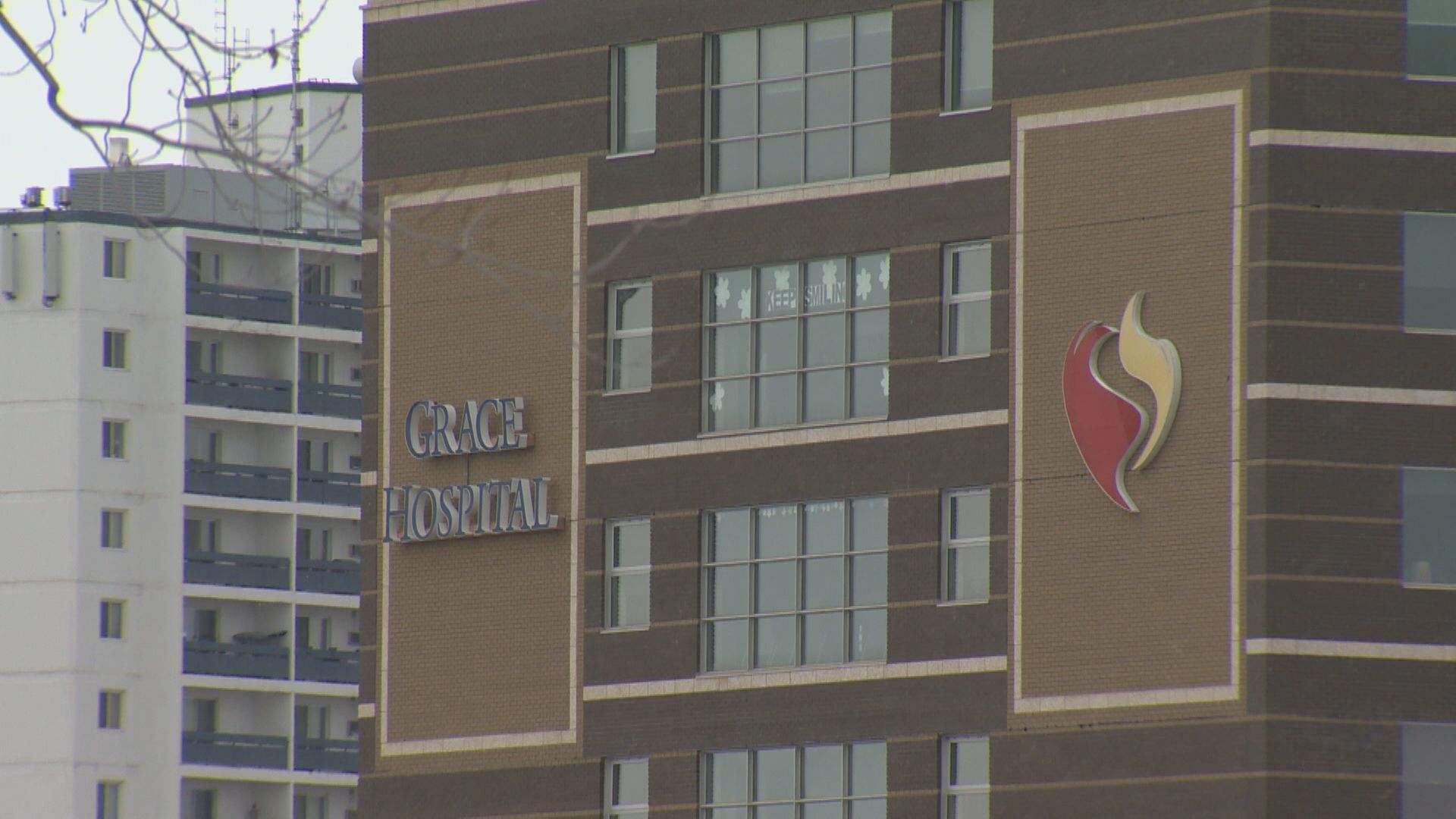
Winnipeg’s healthcare system just hit another breaking point. A 29-year-old patient at the Health Sciences Centre (HSC) now faces charges after allegedly assaulting three separate healthcare workers. It’s a story that’s becoming far too common in Manitoba’s largest hospital. If you’re wondering why our ER wait times are astronomical or why nurses are quitting in droves, this is a massive piece of the puzzle. You can’t run a functional hospital when the staff is literally under fire from the people they’re trying to save.
This isn’t just a one-off incident of a patient having a bad day. It’s a systemic failure. According to the Winnipeg Police Service, the individual was already in custody for other matters when the assaults occurred. They didn’t just shove someone. They caused actual physical harm to professionals who were simply doing their jobs. We’re seeing a trend where the hospital floor is starting to look more like a combat zone than a place of healing.
The Reality of Being a Healthcare Worker in Winnipeg
Most people think of hospitals as sterile, quiet environments. Talk to any nurse at HSC or St. Boniface, and they’ll tell you a different story. They deal with spit, punches, and verbal abuse on nearly every shift. The Manitoba Nurses Union (MNU) has been shouting this from the rooftops for years. They’ve reported that a staggering number of their members have been physically assaulted at work.
The incident at HSC involving the 29-year-old man isn't an outlier. It’s the daily reality. When a patient attacks three workers, it sends shockwaves through the entire unit. Other staff members get rattled. They start looking over their shoulders instead of focusing on patient care. Efficiency drops. Morale craters. Honestly, who can blame them for wanting out?
We often talk about the "nursing shortage" as if it’s some mysterious phenomenon. It’s not. It’s a retention crisis fueled by fear. When you go to work and don't know if you’ll come home with a black eye or a broken nose, you start looking for a new career. We’re losing decades of experience because we can't guarantee a basic level of safety on the ward.
Why Security Measures Are Failing
You’d think a major hospital would have ironclad security. HSC has "Institutional Safety Officers," but their hands are often tied. There’s a constant tension between providing a welcoming healthcare environment and maintaining a secure facility. Right now, that balance is heavily skewed, and the workers are paying the price.
The legal system isn’t helping much either. While this specific patient was charged with three counts of assaulting a peace officer and assault causing bodily harm, many incidents go unpunished. Staff are often discouraged from filing reports. They’re told it "comes with the territory" or that the patient "didn't know what they were doing" due to illness or substance use. That’s a dangerous narrative. It normalizes violence.
If you assault a police officer, there are clear, heavy consequences. When it happens to a nurse or a technician, the response is often a shrug and some paperwork. We need to stop treating hospital violence as an occupational hazard. It’s a crime. Period.
The Substance Use and Mental Health Intersection
We have to be honest about the demographics of these incidents. Winnipeg is struggling with a massive meth crisis and a lack of mental health beds. HSC is the catch-all for every social problem in the city. When someone is in a drug-induced psychosis or a severe mental health crisis, they don’t belong in a standard ER waiting room next to a grandmother with chest pains.
They need specialized, high-security medical care. Because we don't have enough of those specialized spots, these patients end up in general areas. This puts everyone at risk. The staff aren't trained as prison guards or psychiatric intervention specialists, yet they’re expected to manage extremely volatile individuals. It’s a recipe for disaster that plays out every single week.
What Needs to Change Immediately
The provincial government keeps promising more security, but we need more than just boots on the ground. We need a fundamental shift in how hospital security is managed.
- Mandatory Reporting: Every single act of physical aggression must be reported to police. No exceptions. No "clinical discretion" that brushes a punch under the rug.
- Controlled Access: Most modern hospitals in high-crime urban areas have moved to strict "single point of entry" systems with metal detectors. It’s time HSC does the same across the entire campus.
- Legal Protections: We need tougher sentencing for those who target healthcare workers. If you attack a nurse, the legal repercussions should be severe enough to act as a genuine deterrent.
The cost of doing nothing is far higher than the cost of these security upgrades. We’re paying for it in overtime, in burnout, and in a healthcare system that’s slowly collapsing because no one wants to work in these conditions.
If you’re a resident of Winnipeg, this affects you. When the ER is locked down because of a violent patient, your wait time goes from eight hours to twelve. When a nurse is off on medical leave because of an assault, there’s one less person to monitor your loved one’s vitals. This isn’t a "worker issue." It’s a public health crisis.
Take the time to contact your MLA. Demand that the province treats hospital safety as a top priority. Support the Manitoba Nurses Union in their push for safer working conditions. We can't keep asking our healthcare heroes to be martyrs. They’re there to save lives, not to be punching bags for a broken system.
Stop accepting violence as part of the job. It’s time to hold people accountable and give our medical professionals the protection they deserve.