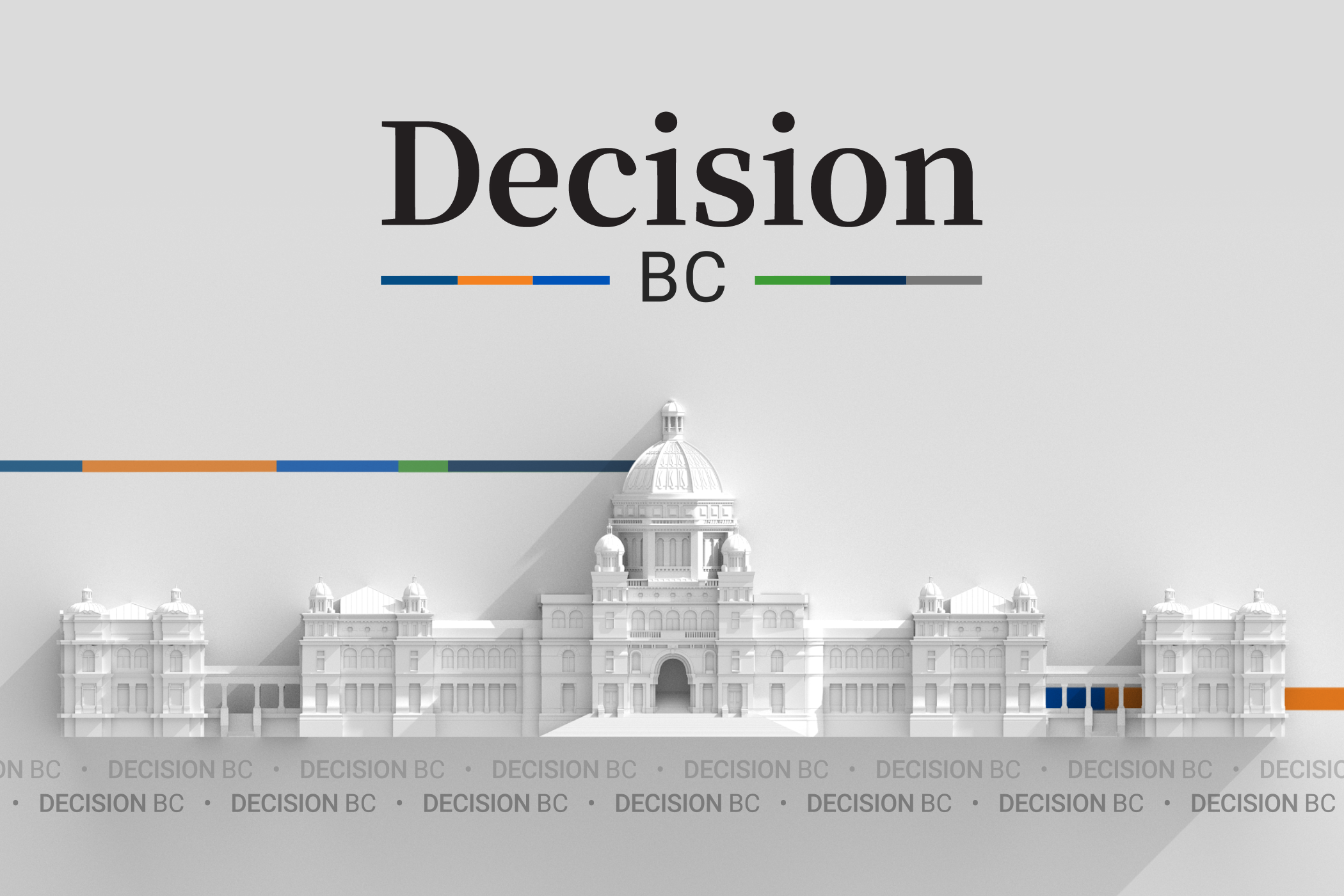
Nina Krieger held onto Victoria-Swan Lake in the 2026 British Columbia general election, winning by 1,893 votes with 43.5% of the ballot.
That's a comfortable win on paper. A real story sits underneath it. Meanwhile, you can explore other events here: Why European Representation in Ukraine Talks Fails Without Hard Power.
Across the rest of British Columbia, the 2026 election delivered a sweeping Conservative majority led by interim leader Lorne Doerkson. The BC NDP dropped to 27 seats and 37.58% of the provincial vote. Yet right in the middle of a tidal wave, Victoria-Swan Lake refused to flip.
Anyone who has followed Capital Regional District politics over the past decade knows that Victoria-Swan Lake rarely behaves like the rest of the province. Even so, the numbers from October 24 and the final Elections BC count on November 9 show a riding shifting in ways that surprised longtime observers. To see the full picture, we recommend the excellent article by Reuters.
What Actually Happened in Victoria-Swan Lake
According to the final Elections BC tally, BC NDP incumbent Nina Krieger finished first with 10,249 votes (43.5%). BC Green candidate Carolyn Howe came in second with 8,356 votes (35.5%), and Conservative Tim Taylor placed third with 4,963 votes (21.1%).
Krieger's margin of 1,893 votes—an eight-point spread—kept the seat in New Democrat hands. It also marked her second win in the riding after she first took it in 2024 following Rob Fleming's retirement.
Look closely at the shift from 2024 to 2026, though. Two years ago, Krieger pulled in 14,273 votes and 56.0% of the vote, cruising past the Greens by 8,374 votes. In 2026, her raw vote total fell by more than 4,000 ballots, and her vote share dropped by 12.5 percentage points.
Meanwhile, the Greens surged. Carolyn Howe's 35.5% showing jumped more than twelve points over Christina Winter's 23.2% in 2024. The Conservative vote, by contrast, barely budged—Tim Taylor drew 4,963 votes (21.1%) compared to his 5,146 votes (20.2%) in 2024.
That pattern tells you something crucial about urban island politics. While the province as a whole swung hard to the Conservatives, the real battleground inside Victoria-Swan Lake was between progressive voters leaning NDP and progressive voters pulling toward the Greens.
Why a Narrowed Margin Still Counts as a Win
When an incumbent's vote share drops by double digits, critics love to call it a crack in the armor. Honestly, that misses the bigger picture of what happened across BC in autumn 2026.
The BC NDP lost dozens of seats elsewhere as frustration over affordability, public safety, and government spending fueled a massive Conservative surge. Inside Victoria-Swan Lake, however, voters with deep roots in public service, renters, and progressive households still gave Krieger a clear plurality. Having an incumbent with cabinet experience as minister of public safety and solicitor general—and earlier work leading the Vancouver Holocaust Centre—gave local NDP supporters a familiar anchor when the party was struggling provincewide.
At the same time, we shouldn't pretend the margin didn't tighten. A drop from a 32.8-point cushion in 2024 to an 8.0-point lead in 2026 is real movement. If progressive voters split more evenly next time, an eight-point buffer can shrink fast.
The Green Surge in Greater Victoria
Victoria-Swan Lake wasn't an isolated blip for the BC Greens. Across Greater Victoria, Green candidates punched well above their provincial average of 11.15%.
The party finished second in Victoria-Swan Lake at 35.5% and second in Victoria-Beacon Hill at 40.3%, while party leader Emily Lowan won her seat to keep the Greens in the legislature. For years, progressive voters in urban ridings often defaulted to the NDP out of strategic habit. In 2026, with the NDP in opposition and the Greens offering a distinct left-of-centre voice—and a much younger leadership profile—plenty of local ballots moved to Howe.
Why Conservatives Stalled Around One in Five Voters
If you only looked at provincial headlines about a Conservative majority, you might assume Tim Taylor had a real shot at taking Victoria-Swan Lake. Instead, he landed right where he started in 2024, hovering around 21%.
Victoria-Swan Lake simply doesn't have the demographic base that powered Conservative breakthroughs in the Fraser Valley, the Interior, or parts of suburban Metro Vancouver. Around a fifth of the electorate consistently backs the Conservatives here, which is enough to shape three-way math, not enough to win first-past-the-post on its own.
Two Decades of NDP Staying Power
Since Victoria-Swan Lake was created ahead of the 2009 election, only two MLAs have represented the riding: Rob Fleming from 2009 to 2024, and Nina Krieger from 2024 onward.
Every single election in that stretch—2009, 2013, 2017, 2020, 2024, and 2026—has ended with an NDP win. Here is how the riding's track record has looked across those contests:
- 2009 to 2020: Rob Fleming held the seat through five elections, winning between 53.6% and 60.5% of the vote as the BC Liberals and later the BC Greens challenged in second place.
- 2024: Nina Krieger succeeded Fleming with 56.0% of the vote, beating the Greens by more than 8,300 ballots while Conservatives debuted around 20.2%.
- 2026: Krieger held on with 43.5% against a stronger Green push (35.5%) and steady Conservative support (21.1%).
That continuity doesn't happen by accident. Neighbourhoods around Swan Lake, Quadra, and Hillside have strong civic networks, high engagement with municipal and provincial policy, and a long history of backing social democratic candidates even when provincial winds blow cold.
Common Misconceptions About This Riding's Vote
People outside Greater Victoria often get two things wrong about Victoria-Swan Lake.
First, they assume an NDP win means the riding is politically static. Look at the numbers again: Krieger's share dropped by 12.5 points in two years, and total ballots cast in the riding dipped from 25,525 in 2024 to roughly 23,568 in the final 2026 count. Quiet shifts in turnout and second-place momentum matter just as much as who finishes first.
Second, some observers treat a third-place Conservative finish as irrelevant. In a three-way race, a solid ~21% block changes how campaigns target doors and mailers. When the Conservative floor holds steady, the gap between first and second place depends heavily on how many progressive voters stay home or switch between NDP and Green.
What This Result Means for Local Voters and Watchers
Being represented by an opposition MLA in a Conservative-majority legislature feels very different from having an MLA inside the governing caucus. Representation in Victoria shifts from pushing government legislation to scrutinizing budgets, defending local health and housing priorities, and holding ministries to account on the floor of the house.
If you live in Victoria-Swan Lake or follow BC politics closely, you can track how this shift plays out in concrete ways over the coming months:
- Check the official Elections BC final tallies and poll-by-poll breakdowns on the Elections BC results portal to see how advance voting, mail-in ballots, and individual neighbourhood polls split between Krieger, Howe, and Taylor.
- Follow legislative committee and question period coverage once the 44th Parliament sits to see how Krieger balances opposition scrutiny with local constituent issues.
- Watch local municipal and by-election dynamics in the Capital Regional District, where shifts in Green versus NDP enthusiasm often show up early before the next general election.
Victoria-Swan Lake Results: BC Election 2026 Race Update
This short coverage clip gives a quick snapshot of how the Victoria-Swan Lake race update was tracked during the 2026 BC election cycle.