The press badge is a curious piece of metal. It hangs from a lanyard around a reporter’s neck, catching the fluorescent glare of the briefing room, a heavy little talisman meant to signal safe passage into the heart of power. For decades, that badge functioned as an unwritten contract: You ask the sharpest questions you can muster, and we let you into the room.
Then, the locks were changed.
To understand what happens when a president draws a hard line in the West Wing dirt, you have to picture the daily rhythm of the White House briefing room. It is a cramped, tiered amphitheater smelling faintly of stale coffee, carpet cleaner, and old paper. Reporters cram into blue-velvet-upholstered seats that have absorbed the anxieties of multiple generations of journalists. There is a specific kind of electricity in that air—a collective hum of skepticism. On any given Tuesday, the rows are packed with correspondents representing household names alongside obscure trade publications.
When the door opens, the press secretary steps up to the lectern. And for a long time, the roll call of the interrogated included everyone. CNN. Politico. The outlets that institutions relied on to keep score.
Until the afternoon the names stopped being called.
Imagine standing in that room as a reporter whose organization has just been airbrushed out of existence by executive decree. You arrive for work. Your security clearance is valid. Your badge is still around your neck. But as the press secretary scans the room, your hand—raised high, fingers twitching to catch the eye at the podium—is treated like a ghost limb. You are physically present, yet functionally erased.
This was not merely a dispute over seating charts or petty media feuds. It was a calculated restructuring of reality.
When administration officials decided to freeze out specific news organizations, citing biased coverage or unfair framing, they were testing an ancient and terrifying hypothesis: Can power dictate its own mirror?
In a democracy, the Fourth Estate is supposed to be an abrasive sort of friction. It is the grit in the gears of governance. When a government attempts to select its own inquisitors, it transforms journalism from a public watchdog into a state-managed parlor game. If you only permit outlets that flatter your worldview to cross the threshold, you aren't managing the news. You are curating an echo chamber.
Consider the ripple effects across the journalistic ecosystem. For the reporters left outside, the exclusion breeds a peculiar kind of fierce independence. Locked out of the briefing room, they are forced to hunt for information in the shadows, relying on second-hand transcripts, whispered phone calls from mid-level staffers, and the raw, unpolished paper trails of government bureaucracy. Sometimes, exile sharpens the senses in ways comfort never could.
Yet, the danger to the public is profound.
When access becomes a reward for compliance, every journalist in the room feels the invisible leash tighten. Even those allowed to stay begin to self-censor, calculating whether a particularly pointed question about policy failures is worth the risk of losing their seat tomorrow. Fear is a quiet contagion. It whispers in the ear of the reporter drafting a headline: Is this worth the credential?
We have lived through this cycle before, though perhaps never with such theatrical bluntness. History shows us that when leaders try to wall off the press, they rarely succeed in silencing the story. They only ensure that the story becomes uglier, more fractured, and harder to govern.
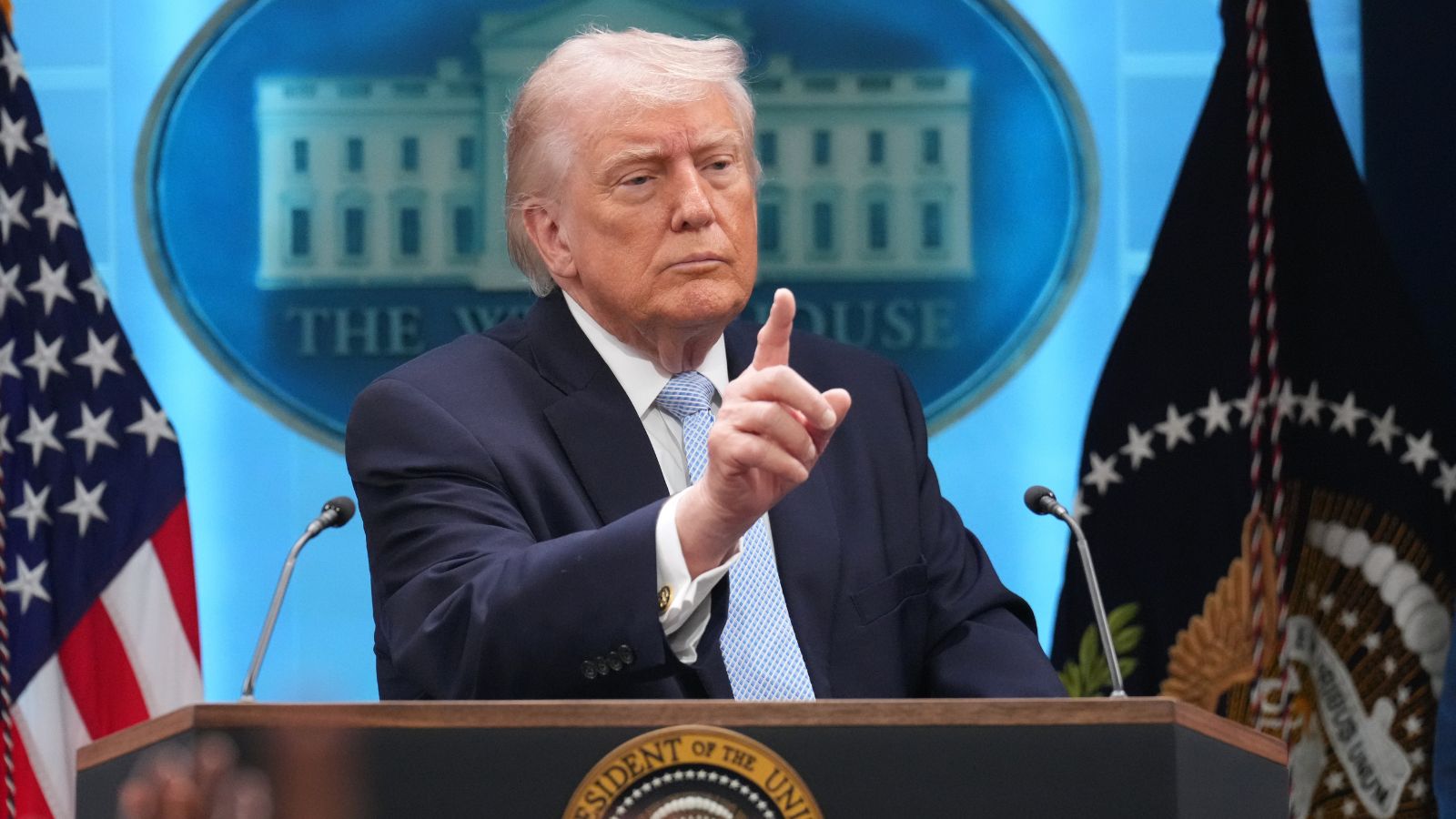
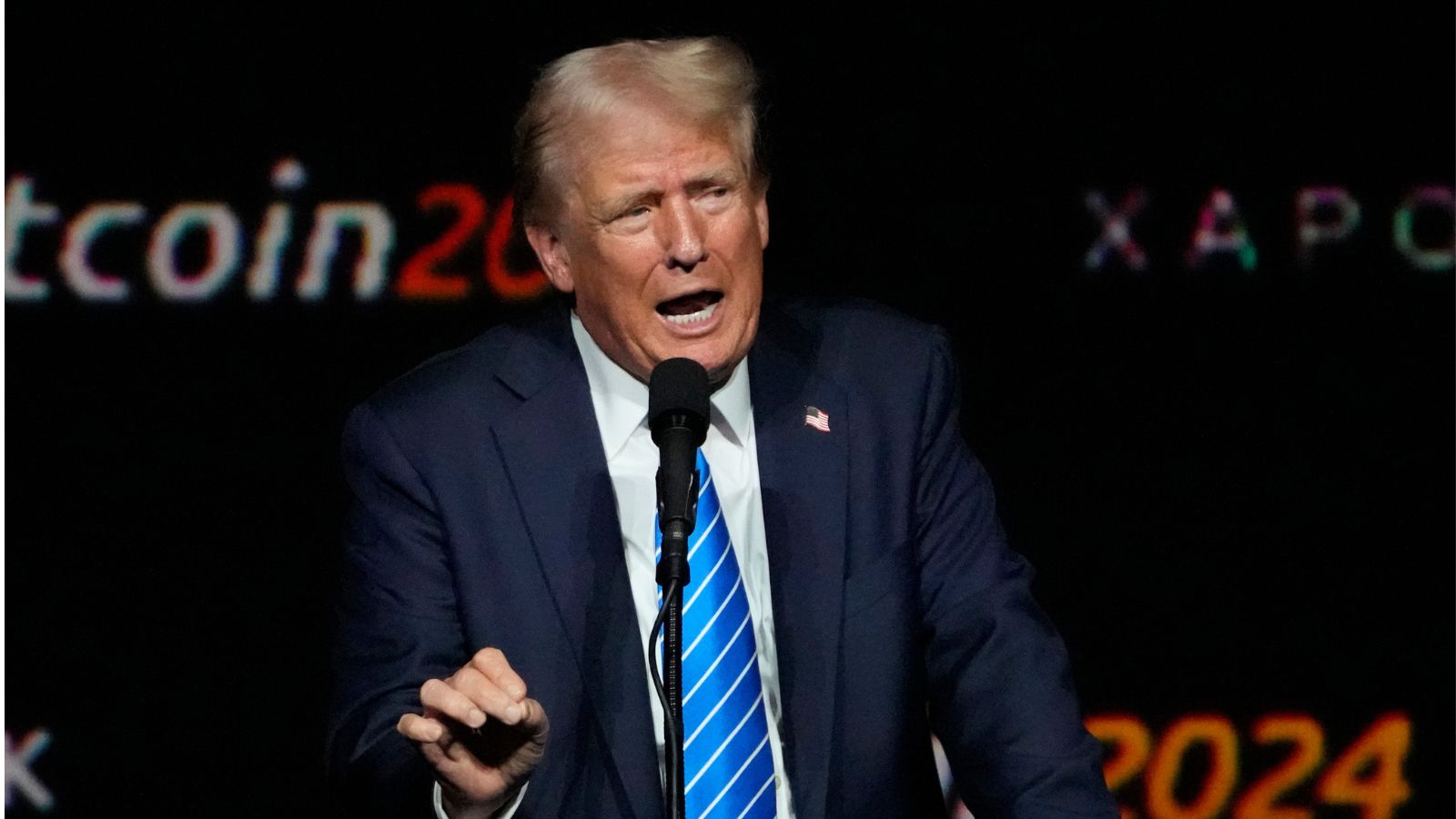
The public watches this theater from a distance, increasingly cynical, wondering who to trust. They see a president pointing a finger at a camera, branding a network as an enemy of the people, and they feel a strange thrill or a deep dread, depending on where they sit in the political bleachers. But the friction between a leader and a reporter is not a glitch in the American experiment. It is the engine.
When you remove the friction, the machine stops running. It starts melting.
The velvet rope remains a potent symbol. It separates those who are allowed to speak truth to power from those who are designated as outsiders. But power is fleeting. Administrations come and go, taking their grievances with them when the moving vans back up to the colonnade. The reporters, however, remain. The questions remain. And the public, eventually, demands to know what was hidden behind the door that was locked to the world.