Diplomacy is often imagined as a theater of raised crystal glasses and whispered compromise behind velvet curtains. But sometimes, the curtains are ripped down entirely.
Consider the quiet offices of Washington and the sunlit halls of Brasília. Right now, those spaces hum with a cold, sharpening tension. The Trump administration has officially revoked the visa of Maria Luiza Ribeiro Viotti, Brazil's ambassador to the United States.
She is not being physically cast out into the streets. She remains in the country, but her legal authorization to hold her post has dissolved into thin air. It is a calculated, bloodless administrative blow. A bureaucratic paper cut delivered with a heavy hand.
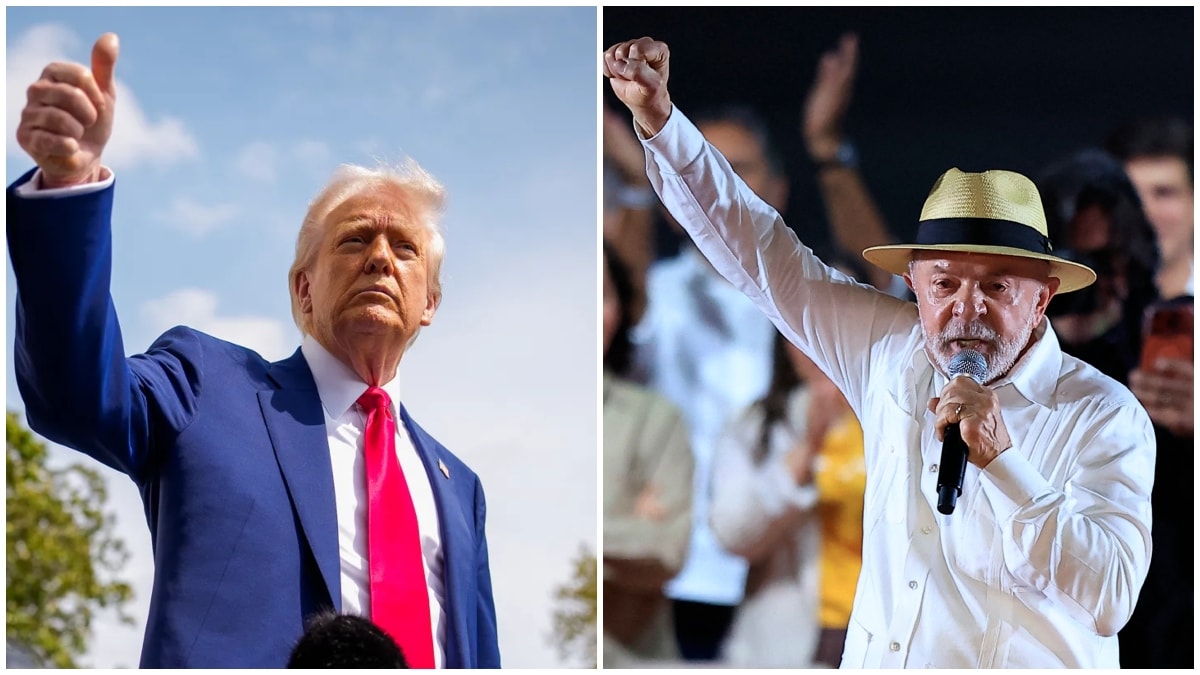
This is not happening in a vacuum. It is the noisy climax of a standoff between Washington and Brazilian President Luiz Inácio Lula da Silva. At its core, the friction points to a deeper collision of political wills. The United States wants swift approval for Daniel Perez, a prominent former Florida House speaker nominated by Donald Trump to serve as the American ambassador to Brazil. Brasília has stalled. They are watching the calendar tick down toward their high-stakes October presidential election, where the leftist incumbent Lula faces a fierce challenge from right-wing Senator Flávio Bolsonaro.
Brazil views the American rush for ambassadorial confirmation as an intrusion. They see it as an attempt to tilt the scales. Weeks prior, Brasília slammed the door on entry visas for two American diplomats, Riley Barnes and an aide, who planned trips to discuss election integrity and human rights. Washington called those planned meetings routine. Brasília called them a premeditated ploy to meddle.
Retaliation arrived swiftly. State Department officials framed the visa revocation as a purely reciprocal measure. They insisted the door remains open. Let Brasília approve the American nominee, they say, and the ambassador's credentials will be restored just as quickly as they were stripped away.
Yet, governments rarely yield under direct pressure. To back down now would signal weakness on the global stage.
The Brazilian government condemned the move as an ideological escalation designed to sway voters ahead of the October polls. They point to a broader pattern of friction, noting recent American tariff hikes on Brazilian exports and the classification of powerful domestic gangs as foreign terrorist organizations, actions enacted over Lula's objections.
So the standoff deepens. Two giant nations of the Western Hemisphere lock horns, trading diplomatic snubs while millions of citizens prepare to cast their ballots.
The ambassador stays put for now, working behind a clipped authorization, a living symbol of a partnership strained to its breaking point.
The ink on the visa cancellation dries, but the underlying fracture widens, waiting for October to decide what comes next.
The Trump administration revokes the visa of Brazil's ambassador
This video provides a direct visual report on the breaking diplomatic escalation between Washington and Brasília.