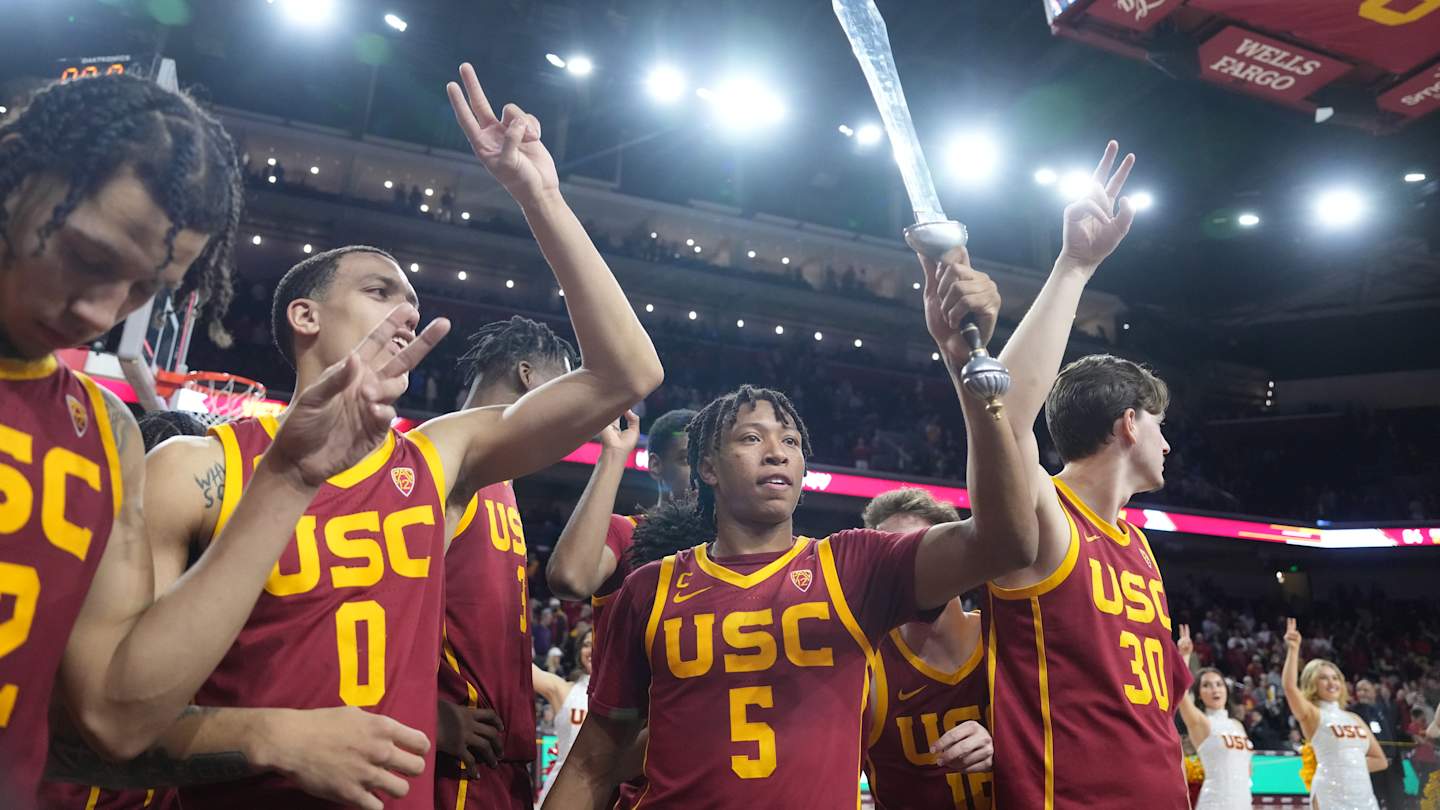
USC basketball just handed away a game they had no business losing. If you watched the final four minutes against Oregon, you saw a masterclass in how to let a victory slip through your fingers. It wasn't just about missed shots or a lucky bounce for the Ducks. It was a total systemic failure in late-game execution that has become a recurring nightmare for this program.
You can point to the box score all you want. Sure, the shooting percentages tell part of the story, but they don't capture the panic. When the pressure ramped up in Eugene, the Trojans looked like a team that forgot how to pass. They stopped attacking the rim. They settled for contested jumpers and turned the ball over in the most inexcusable ways. It’s the kind of loss that doesn't just hurt your record; it guts your confidence.
The anatomy of a four minute meltdown
Leading by double digits late in the second half should be a safe zone for a team with veteran talent. It wasn't. Oregon started pressing, and USC started crumbling. This wasn't some complex tactical shift by Dana Altman. It was simple intensity. The Ducks realized the Trojans were playing to "not lose" instead of playing to win.
When you play not to lose, you're already defeated. The ball sticks. Players stop moving without it. Suddenly, a ten-point lead feels like two points. Oregon smelled blood in the water. Every time USC committed a live-ball turnover, the energy in the arena shifted. You could feel the momentum swinging like a wrecking ball through the Trojans' season aspirations.
Guard play and the lack of a closer
In college basketball, your guards are your life insurance policy. When things get chaotic, you need a ball-handler who can settle the offense. USC didn't have that. Instead of a steady hand, we saw rushed decisions and cross-court passes that were basically gifts to the Oregon defense.
Nelsen and the rest of the backcourt struggled to find a rhythm once Oregon upped the physical play. It’s one thing to look good when the game is flowing in the first half. It’s another thing entirely to get a bucket when the shot clock is winding down and 12,000 people are screaming at you. The Trojans lacked a "closer"—that one guy who demands the ball and creates a high-quality look regardless of the defense.
Defensive lapses that killed the comeback
Everyone talks about the offense failing, but the defense was just as guilty. You can’t give up easy penetration when you're trying to protect a lead. Oregon’s guards lived in the paint during that final stretch. They weren't even running complex sets; they were just beating their man off the dribble and forcing help rotations that weren't there.
If you're a USC fan, the lack of communication on switches was painful to watch. Players were pointing at each other while Oregon players were finishing at the rim. That’s a coaching issue as much as a player issue. You have to be locked in defensively for 40 minutes, not 36. Those final four minutes showed a team that was physically tired and mentally checked out.
What this means for the Pac 12 standings
This loss isn't just a "tough break." It’s a resume killer. The Pac-12 is unforgiving this year, and dropping a game where you held a significant lead late is the kind of thing that the selection committee remembers in March. Oregon moved up while USC stayed stagnant, questioning their identity.
The middle of the conference is a dogfight. Winning on the road is already hard enough, but giving one away makes the margin for error almost zero for the rest of the month. If USC wants to be taken seriously as a tournament threat, they have to prove they can close out games in hostile environments. Right now, they look like a team that’s talented but incredibly fragile.
Turning the corner or hitting a wall
So where do they go from here? You can’t rewrite the Oregon game, but you can change how you react to it. The coaching staff needs to spend the next week of practice strictly on late-game scenarios. No more five-on-zero drills. Put them in the "up four with two minutes left" situation over and over until it's muscle memory.
- Watch the film until it hurts. Every turnover needs to be analyzed.
- Shorten the rotation. In crunch time, you need your most trusted players on the floor, even if they're gassed.
- Develop a "go-to" set. Stop relying on isolation plays that go nowhere.
- Fix the free throw shooting. Leaving points at the line during a comeback is a cardinal sin.
The talent is there. Nobody doubts the athleticism of this roster. But athleticism doesn't win games in the final two minutes—composure does. If USC can't find some grit, this loss to Oregon won't be an outlier; it'll be the blueprint for how to beat them.
Start looking at the remaining schedule. There are at least three more games that will come down to the wire. If the Trojans don't fix their late-game execution immediately, they're looking at a very disappointing trip to the NIT instead of the Big Dance. Stop talking about potential and start showing some poise. The clock is ticking on the season, and "almost winning" doesn't count for anything in the standings.
Check the upcoming home stand schedule. Get to the arena early and watch how they warm up. You can tell within the first five minutes of tip-off if a team has moved past a devastating loss or if they’re still carrying the weight of Eugene on their shoulders.