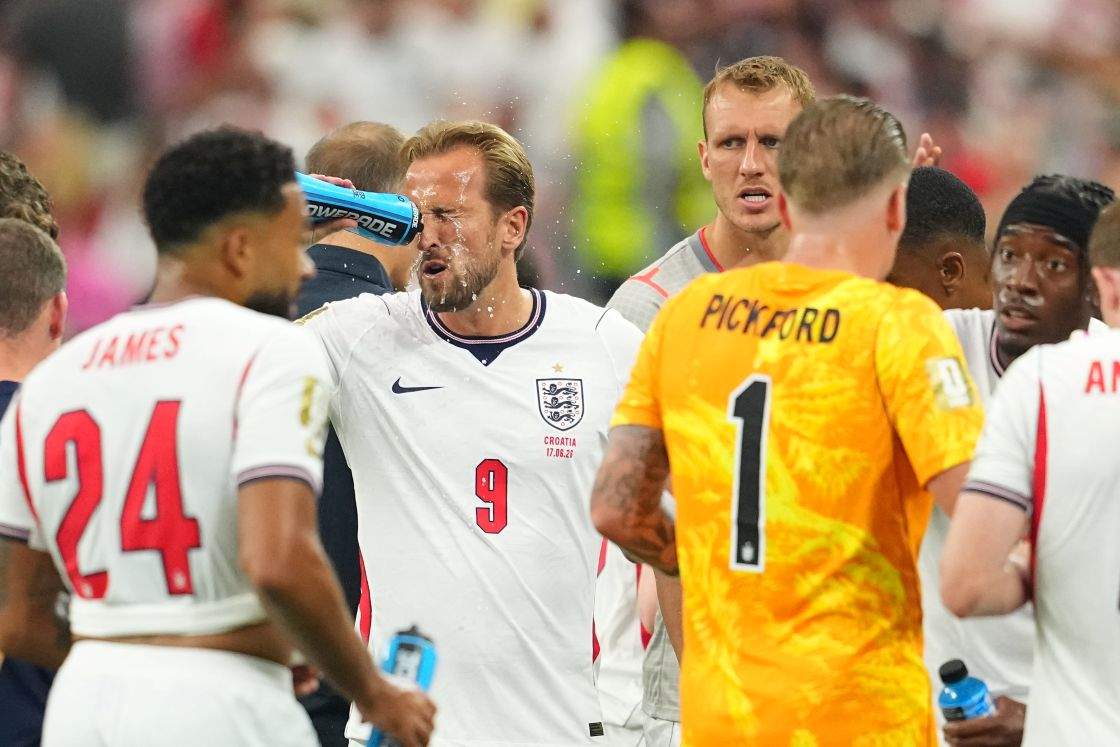
International football fans came to America expecting massive highway systems, oversized food portions, and stadiums built for a completely different kind of football. What they did not expect was the shocking warmth of regular Americans inviting them to backyard barbecues and sharing cooler boxes filled with ice-cold beer in stadium parking lots.
Right now, mid-way through the group stages of the largest tournament in sporting history, the conversation is shifting away from tactical formations and moving toward American hosting culture. It turns out that while the corporate hospitality packages are getting mixed reviews, the organic hospitality from everyday locals is what actually wins hearts.
If you are currently traveling between host cities or tracking your team toward the knockout stages, you need to understand how this environment works. The reality on the ground looks very different from the glossy brochures.
The Culture Shock of Genuine American Friendliness
European and South American football cultures are built on intense tribalism. Fans stay in their designated pubs, walk in segregated marches to the turnstiles, and view the opposing shirt with deep suspicion. Walk into any American stadium parking lot in Seattle, Dallas, or Atlanta right now and that model completely shatters.
Foreign tourists are jumping onto online forums to express their sheer amazement at how locals behave. Fans from Zurich and Munich are reporting that regular people in cities like Grand Rapids or Philadelphia are literally adopting them on the street, offering free lifts, and pointing out the best local spots without asking for anything in return.
Tailgating has become the real fan zone of this tournament. For decades, the rest of the world thought tailgating was just something from college movies. Now, fans are discovering it is a highly organized, intensely welcoming subculture. Local supporters arrive five hours before kickoff, park their trucks, blast music, setup massive grills, and hand out burgers to anyone wearing a football shirt. It does not matter if you support the United States, Australia, Germany, or Ecuador. The default setting for the American host is to make sure you have a drink in your hand.
This openness softens the commercial edge of the tournament. Yes, the food in supermarkets feels incredibly expensive to visitors from parts of Europe. Yes, the restaurant tips are high. But the sheer volume of the food serves as a balancing act. Tourists are quickly learning the American art of the doggy bag, realizing that a single dinner order can easily double as lunch the following afternoon.
The Raw Truth About Official FIFA Hospitality Packages
While the organic crowd interaction is getting perfect scores, the official high-end ticket experiences managed by corporate partners tell a different story. If you paid thousands of dollars for a premium experience at venues like the New York New Jersey Stadium or the Los Angeles Stadium, you are likely experiencing a few first-week organizational hiccups.
The official hospitality setup is split into various elite tiers. You have the Pitchside Lounge, the Trophy Lounge, the Champions Club, and the entry-level FIFA Pavilion. While these corporate tents provide a festive environment complete with live music, couches, and complimentary beer and wine, the actual execution has faced real criticism from early match-goers.
Signage and Navigation Disasters
Fans shelling out big money for the FIFA Pavilion tents at major venues have reported a serious lack of directional signs. Imagine arriving three hours early to a stadium that holds over 80,000 people and finding five identical massive white tents with zero labels indicating which one corresponds to your ticket group. Staff members hired for seasonal event work often lack hyper-local knowledge about bathroom locations, specific gate entry procedures, or where premium merchandise trucks are parked.
The Gate Entry Double Standard
A major point of frustration for early corporate ticket holders revolves around stadium entry. If you hold a ticket for the Trophy Lounge or a private luxury suite, you generally get access to dedicated hospitality gates that whisk you straight past the security lines. If you bought the entry-level FIFA Pavilion package, however, you are forced to line up at the regular public gates. At massive venues like MetLife, the walk from the public gate to the actual pavilion village forces fans to trek around half the perimeter of the entire concrete structure. It is a grueling walk that dampens the luxury feeling before the match even kicks off.
Food Management Issues
Inside the hospitality enclosures, food replenishment has struggled to keep pace with the massive crowds. High-end ticket holders have noted that popular food options run out quickly during the pre-match rush, leaving slow lines and empty trays. To make matters worse, the post-match menu options often mirror the pre-match food exactly, with only a token dessert platter added to the mix.
Despite these issues, the positives of the premium packages still hold weight. The proximity to the stadium seats is unmatched. The alcoholic beverages flow freely without extra charges, and you get to take soft drinks directly to your seats. You also walk away with unique commemorative gifts, like limited-edition pin sets, that you cannot buy in standard merchandise shops.
How Individual Cities are Changing the Playbook
The tournament is highlighting huge differences in how American infrastructure handles massive global crowds. Not every city treats football fans the same way, and certain regions are winning the logistics war.
Philadelphia has quickly become the absolute darling of international travelers. The city managed its hotel inventory aggressively, releasing blocks of rooms early to prevent predatory price surges. Its sports complex layout allows for easy navigation, making the transition from transit lines to the stadium gates incredibly simple. Fans visiting Pennsylvania are openly calling it the best-organized hub of the East Coast, shaming neighboring regions that suffer from gridlocked highways.
Down in the Pacific Northwest, Seattle is relying heavily on its existing public transit system and deeply rooted football culture to win over fans. The stadium atmosphere during the United States victory over Australia proved that American crowds can match the vocal intensity of any global stadium. Seattle avoids the sterile, corporate feeling of some newer stadiums because its venue sits right next to the urban core, allowing fans to spill directly from local bars into the match lines.
Meanwhile, New York and New Jersey are leaning heavily on nightlife accommodations to keep people happy. Local bars have been granted permission to stay open and serve alcohol until 4 a.m. for the duration of the tournament. This policy change allows fans tracking matches across different time zones to stay out, celebrate, and watch live broadcasts from the western regions without being kicked out into the street at midnight.
Practical Tactics for Surviving the Rest of the Tournament
If you are packing your bags for the knockout stages or currently moving between group matches, stop relying on generic travel brochures. You need to adjust your strategy to survive the unique layout of American sports entertainment.
First, forget about relying on stadium Wi-Fi. Even in the most expensive premium hospitality lounges, the local data networks are completely choked by the presence of 70,000 screaming people uploading video content simultaneously. Download your digital tickets to your phone wallet before you leave your hotel room. Do not assume you can open an email or load an app at the stadium gate.
Second, dress for comfort, not for a nightclub. The American stadium experience is entirely casual. Whether you are sitting in a private corporate suite or standing on the general concourse, you will see people wearing jerseys, shorts, face paint, and comfortable trainers. Leave the formal wear in your suitcase. You will be walking miles across vast parking lots and climbing steep concrete stairs.
Third, budget for stadium concessions even if you have a hospitality pass. Official rules prevent you from carrying food or alcohol from the corporate pavilion villages inside the actual stadium bowl. If you get hungry or thirsty during the second half of a tense match, you will have to stand in line and pay standard stadium prices for snacks and water.
Fourth, target the massive official stores inside the main stadium structures for your merchandise needs. The smaller trucks parked inside the hospitality zones carry very limited stock, usually consisting of basic tournament shirts and half-and-half match scarves. If you want a specific jersey or a unique piece of team gear, head straight to the flagship stadium mega-stores as soon as the gates open.
The corporate machine behind this World Cup is far from flawless. The lines are long, the signs are poor, and the prices are eye-watering. But if you look past the corporate tents and focus on the people cooking food in the parking lots, you will find an unforgettable sporting experience. The everyday American public is rescuing this tournament from its own commercial weight, one free burger and friendly conversation at a time.