The Washington political establishment spent years insisting that any civil nuclear deal with Saudi Arabia must follow a strict, non-negotiable rule book. That playbook just went right out the window.
The White House has moved forward with a landmark civil nuclear cooperation pact with Riyadh. While official messaging frames this 30-year pact as a routine commercial push to power green energy and sprawling artificial intelligence data centers, the real story is much messier. The U.S. has agreed to a framework that leaves open the door for domestic uranium enrichment on Saudi soil under a U.S.-contracted setup, bypassing long-standing guardrails. For a closer look into this area, we suggest: this related article.
This isn't just about building nuclear reactors in the desert. It's a massive diplomatic and security gamble that reshapes how Washington manages non-proliferation, counters Chinese influence, and handles regional rivals.
The Death of the Gold Standard in Nuclear Diplomacy
To understand why national security analysts are losing sleep over this agreement, you have to understand Section 123 of the U.S. Atomic Energy Act of 1954. To get more context on this topic, detailed coverage is available on USA Today.
Whenever the U.S. transfers nuclear technology, reactors, or fuel to a foreign nation, it signs a "123 Agreement." Historically, Washington demanded what experts call the "Gold Standard." Look at the 2009 agreement with the United Arab Emirates as an example. To get American technology for its Barakah plant, the UAE explicitly renounced any right to enrich uranium or reprocess spent fuel domestically. They bought their fuel pre-enriched from abroad.
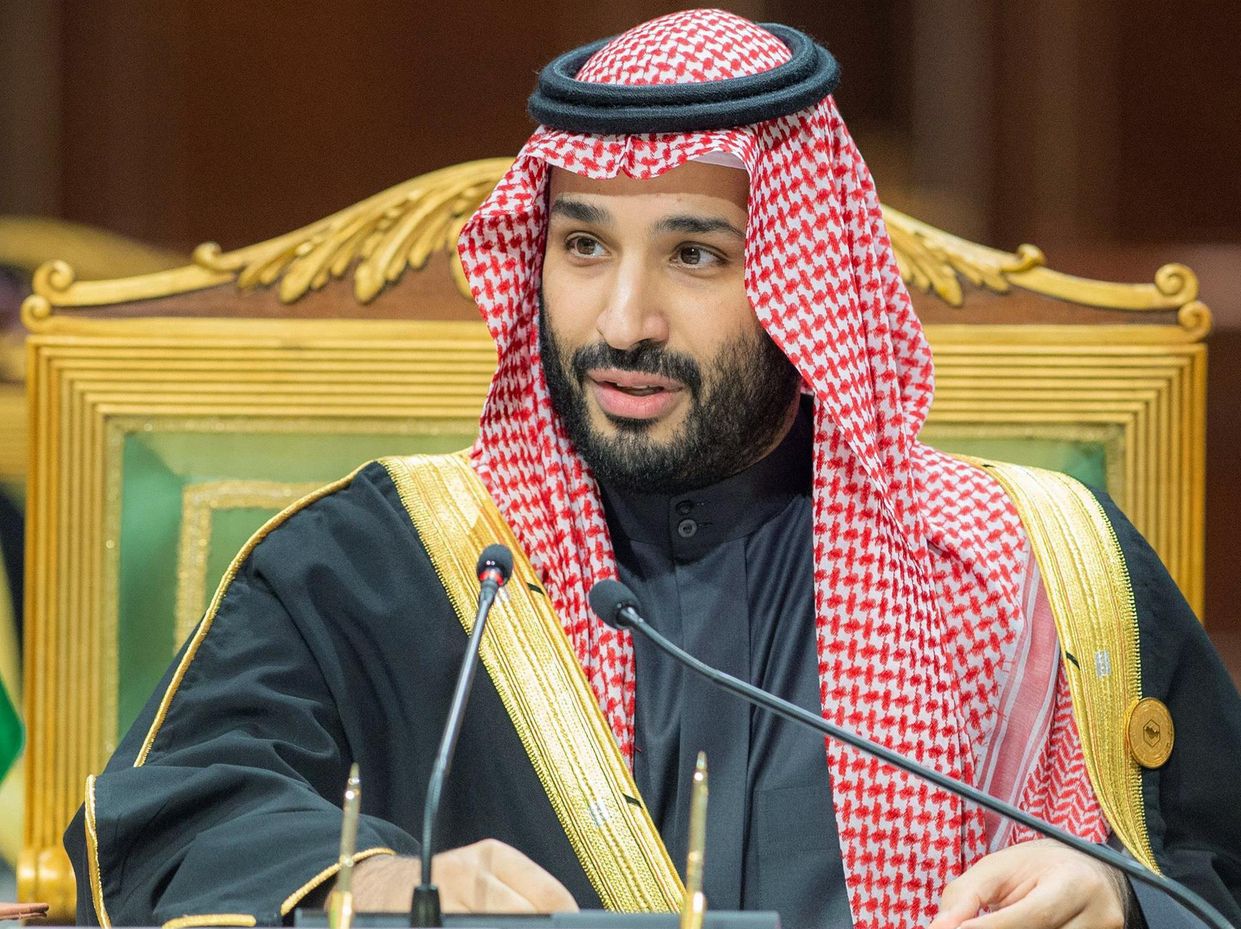
Saudi Arabia refused to take that pledge. Crown Prince Mohammed bin Salman consistently held out for domestic enrichment rights, pointing to the nation's vast native uranium deposits.
The current pact skips the Gold Standard entirely. Instead of barring enrichment, the deal sets up a 30-year framework where American companies build and manage facilities, with a joint study planned to pave the way for eventual domestic enrichment inside the Kingdom.
Critics point out that once you build centrifuges, the technical step from civilian-grade low-enriched uranium to weapons-grade high-enriched uranium is relatively short. Omission of the International Atomic Energy Agency's (IAEA) Additional Protocol—which gives international inspectors unannounced access to facilities—makes Washington's security promises feel thin to many lawmakers.
Why Washington Dropped Its Demands
Why would the U.S. compromise on non-proliferation standards it spent decades enforcing?
It boils down to cold geopolitical calculus:
- Blocking Beijing and Moscow: Saudi Arabia made it clear that if Washington didn't build its reactors, China National Nuclear Corporation (CNNC) or Russia's Rosatom would. Accepting a Russian or Chinese nuclear footprint in the Arabian Peninsula would wipe out decades of American strategic influence.
- Fueling the AI Race: The Kingdom is pouring billions into technology, converting mega-project funding into massive data center hubs. Those centers require relentless, 24/7 baseload power that solar and wind simply cannot provide alone.
- Securing Commercial Dominance: American nuclear vendors have struggled globally against state-backed foreign firms. A deal worth tens of billions of dollars gives a massive shot in the arm to domestic nuclear manufacturing and engineering firms.
By decoupling this nuclear arrangement from the diplomatic effort to normalize Saudi-Israeli relations, Washington chose to secure the commercial and strategic high ground first.
The Risks and Regional Aftershocks
You can't talk about Saudi nuclear ambitions without talking about Iran. Tehran has spent years spinning centrifuges behind a wall of international sanctions. Allowing Riyadh a pathway toward domestic enrichment creates a clear double standard that makes future enforcement across the region tricky.
Furthermore, Crown Prince Mohammed bin Salman previously stated in interviews that if Iran gets a nuclear weapon, Saudi Arabia will follow suit as fast as possible. Handing Riyadh the technical infrastructure for a civilian program builds the foundational knowledge, supply chains, and specialized workforce needed if political leadership ever decides to pivot.
Capitol Hill won't let this slide quietly. The 123 Agreement faces intense scrutiny during its mandatory 90-day congressional review period. Lawmakers from both parties have already voiced concern over transferring dual-use capabilities without ironclad IAEA safeguards.
How to Track What Happens Next
If you want to monitor how this deal actually unfolds over the coming months, keep your eyes on three specific indicators rather than official press releases:
- The Congressional Review Clock: Watch for resolutions of disapproval in the House or Senate. While overriding a presidential veto requires a high bar, a fiery debate will reveal exact details about oversight provisions.
- IAEA Safeguard Agreements: See if Riyadh and Washington negotiate bilateral inspection frameworks or eventually adopt the IAEA's Additional Protocol. Without independent verification, trust remains low among regional allies.
- Vendor Contracts: Track which U.S. nuclear firms land the engineering and construction management contracts. The structure of those corporate entities will show how much direct operational control American personnel hold on the ground.
The U.S.-Saudi civil nuclear agreement isn't just an energy deal. It's a foundational shift in how America balances commercial leverage against global proliferation risks. Washington bet that keeping Riyadh close—even on looser terms—is safer than watching them partner with Beijing. Time will tell if that gamble pays off.


