The US Navy just moved to choke off every single Iranian port, and if you think this is just another blip on the evening news, you're missing the bigger picture. This isn't just a "show of force." It's a systematic attempt to erase Iran's oil footprint from the global map. As of 10 a.m. ET today, April 13, 2026, CENTCOM forces began implementing a full maritime blockade.
Oil markets reacted exactly how you'd expect. Brent crude spiked 7% almost instantly, crossing the $100 mark again. West Texas Intermediate (WTI) followed suit, jumping 8% to hit $104.24. But the price at the pump is only the tip of the iceberg. We're looking at a fundamental shift in how energy moves across the planet.
The Reality of the Naval Blockade
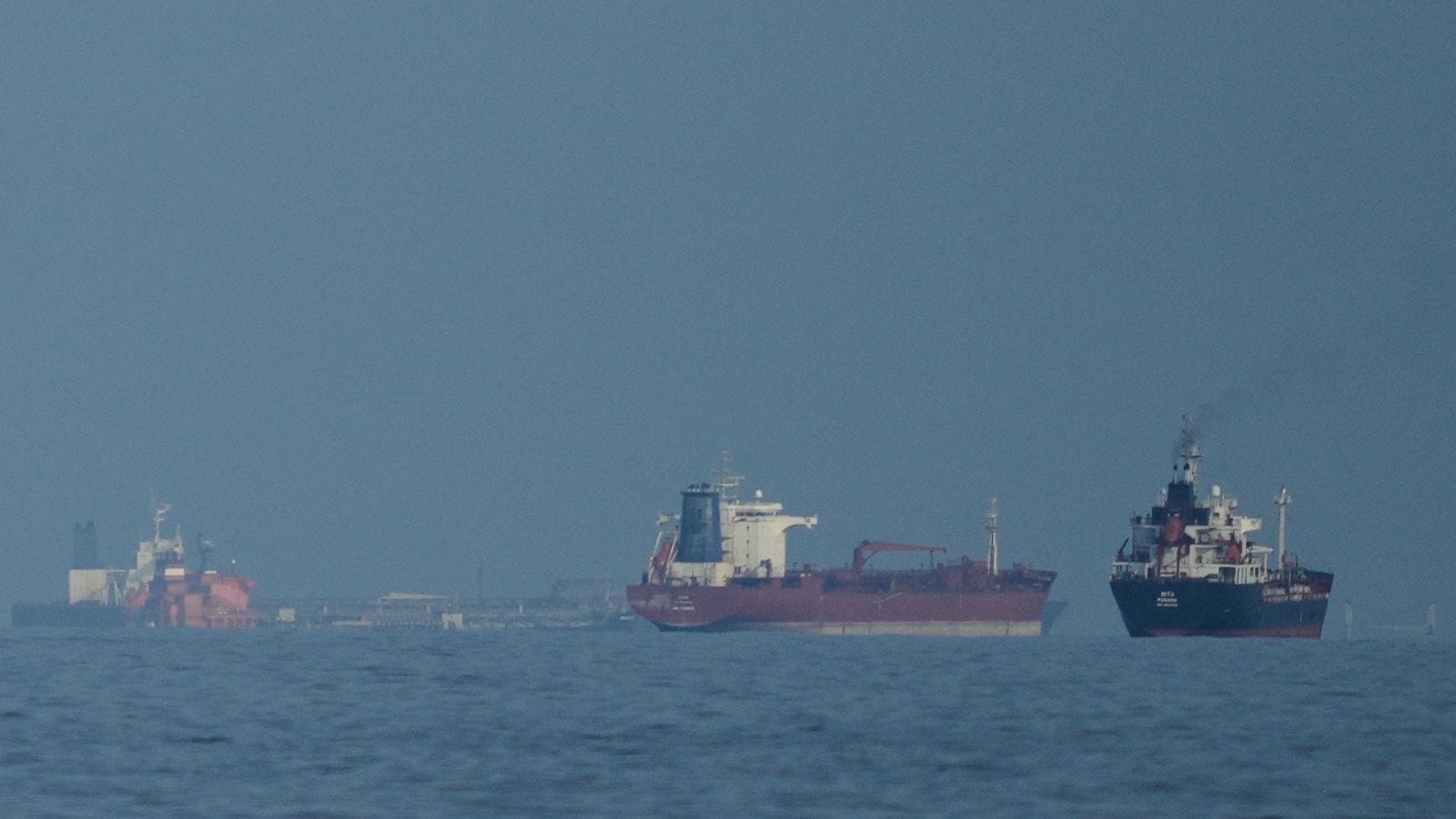
Let's get one thing straight. A blockade is an act of war. While the US claims it's "enforcing stability," the physical reality involves warships physically preventing tankers from docking or departing. The US Navy has stated they'll be "impartial," meaning they don't care what flag a ship is flying—if it's headed to an Iranian pier, it's not getting through.
Iran has spent the last few years mastering the "shadow fleet" game. They’ve used aging tankers with turned-off transponders to ship crude to buyers in Asia, mostly China. This blockade effectively puts a target on those ships. For the first time, the "ghost trade" faces a physical wall of steel rather than just paper sanctions.
The geography here is a nightmare. The Strait of Hormuz is barely 21 miles wide at its narrowest point. While CENTCOM says they won't impede traffic to non-Iranian ports like those in Kuwait or the UAE, the margin for error is razor-thin. One wrong move, one "accidental" collision, and the entire waterway shuts down. If that happens, you can kiss $100 oil goodbye—we’ll be looking at $150 or higher within days.
Who Wins and Who Loses
Markets hate a vacuum, and someone always steps in to fill the void. With 1.5 million barrels of Iranian crude suddenly missing from the daily tally, other players are already moving.
The Winners
- US Shale Producers: With WTI over $100, American drillers are printing money. Expect a massive surge in Permian Basin activity.
- Saudi Arabia: They have the spare capacity and the pipelines to bypass the Strait of Hormuz via the Red Sea. They’re the only ones who can truly "save" the market right now.
- Russia: Higher prices globally mean more revenue for Moscow, regardless of Western price caps.
The Losers
- China: They’ve been the primary buyer of "discounted" Iranian oil. Now, they have to compete for more expensive barrels on the open market.
- India: As a massive net importer, India’s economy is incredibly sensitive to these price shocks.
- You: Whether it’s the cost of a gallon of gas or the price of a flight, you’re the one subsidizing this geopolitical chess match.
Breaking Down the Supply Chain Shock
This isn't just about crude oil. Iran is a significant producer of fuel oil and petrochemicals. When you remove those from the equation, the "crack spread"—the difference between the price of crude and the products made from it—balloons.
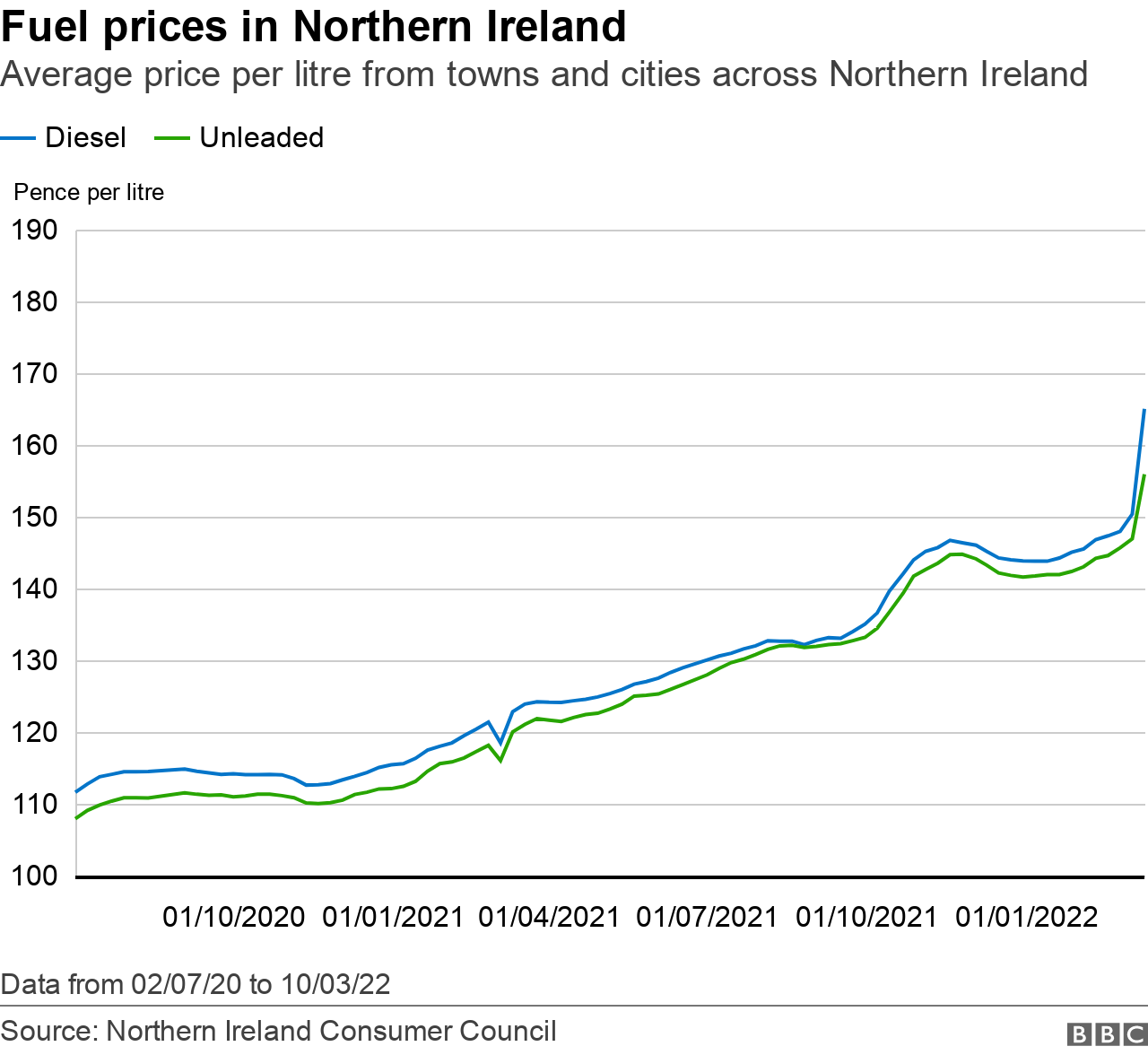
Diesel is the real worry. It’s what moves trucks, ships, and trains. We’re already seeing diesel prices outpace gasoline. If this blockade lasts more than a month, the "grocery supply emergency" we saw in the Gulf states back in March will start echoing in Western supply chains. Logistics costs will rise, and retailers will pass every cent of that onto you.
I’ve seen this play out before. In the early 2020s, every minor disruption was treated as a temporary glitch. But this is 2026. The world is more polarized, and the margin for "excess supply" is virtually gone. The International Energy Agency (IEA) has already called this one of the greatest energy security challenges in history. Honestly, they aren't exaggerating.
Practical Steps to Protect Yourself
Stop waiting for prices to "normalize." This is the new normal. If you're a business owner or just someone trying to manage a household budget, here’s how you actually navigate this.
- Lock in Energy Contracts: If you’re in a deregulated market for home heating or electricity, lock in a fixed rate now. Volatility is only going up.
- Audit Your Logistics: For businesses, the cost of moving goods is about to skyrocket. Re-evaluate your shipping routes. If you’re importing, expect "surcharges" to become a permanent fixture on your invoices.
- Watch the "Ghost Fleet" Activity: Keep an eye on independent maritime trackers. If the US starts seizing ships rather than just turning them back, the escalation will happen in hours, not days.
- Diversify Your Transit: If you're planning travel or depend on heavy commuting, start budgeting for a 20% increase in fuel costs over the next quarter.
The Navy’s move is a high-stakes gamble. It assumes Iran will fold under economic pressure without lashing out at neighboring oil infrastructure. History suggests that's a risky bet. If the "peace talks" in Pakistan fail this weekend, the blockade won't just be about Iranian ports—it'll be the start of a much longer, much more expensive conflict. Keep your eyes on the water.