Another day, another kinetic strike in the Caribbean Sea. The US military recently targeted a vessel allegedly running drugs, leaving four people dead. It is part of a sweeping, aggressive campaign ordered by the White House that has steadily escalated over the past year. Yet behind the brief social media video clips released by US Southern Command, a fierce debate is raging over international law, military oversight, and whether these maritime attacks actually stop the flow of illegal narcotics.
Inside the Escalating Maritime Campaign
The numbers tell a stark story of escalation. Since the campaign against suspected drug smugglers began, US military strikes in the Caribbean and the eastern Pacific have killed at least 227 people across dozens of operations.
The Trump administration frames these actions through the lens of an active armed conflict. Officials routinely designate the targeted vessels as threats operated by what they term narcoterrorists. Defense officials and military leadership argue that total systemic friction is required to disrupt cartel operations at sea before substances reach American shores.
However, transparency remains a major point of contention. In this latest Caribbean operation, just like in many previous strikes, the Pentagon released short, unclassified video footage showing a boat moving through the water followed by a sudden explosion. But officials did not publicize concrete evidence—such as cargo manifests, recovered narcotics, or the identities of those killed—to independently verify that the vessel was actively smuggling drugs.
The Legal Battleground and Human Rights Concerns
Critics aren't just questioning the intelligence; they're questioning the legality. Independent experts, human rights organizations like Amnesty International and Human Rights Watch, and United Nations officials have repeatedly condemned the attacks. The core argument from legal scholars is straightforward: launching lethal missile strikes against civilian-style watercraft in international waters without a formal declaration of war or due process amounts to unlawful extrajudicial killing.
Pressure is mounting from lawmakers as well. Following explosive reports regarding previous strikes—including allegations involving follow-up attacks on survivors trying to salvage cargo—congressional committees have held closed-door briefings with top military leadership. Even the Pentagon's own inspector general launched a review to examine whether the military adhered strictly to its established six-phase Joint Targeting Cycle during these fast-moving operations.
Tactical Effectiveness Versus Strategic Reality
Does blowing up speedboats in the Caribbean actually fix the American drug crisis? Experts who study international cartels remain deeply skeptical.
Data from agencies like the Drug Enforcement Administration indicates that the vast majority of cocaine entering the United States travels through maritime routes in the eastern Pacific rather than fast boats darting across the Caribbean. More importantly, the primary driver of fatal overdoses nationwide is synthetic fentanyl. Intelligence analysts point out that fentanyl is predominantly produced using precursor chemicals imported from Asia, manufactured in clandestine labs in Mexico, and smuggled across the southwestern land border—meaning Caribbean boat strikes do little to disrupt its primary supply chain.
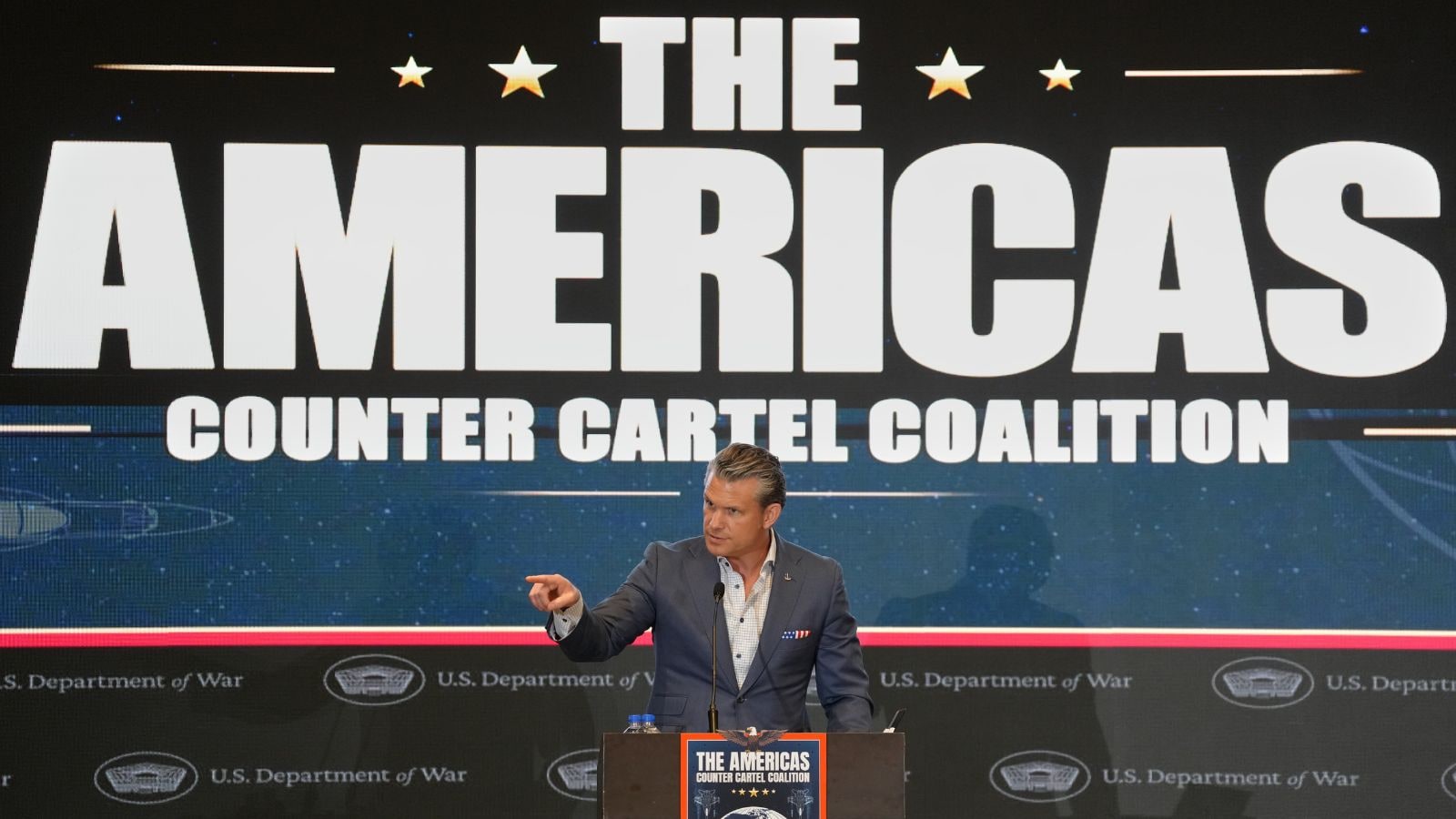
Meanwhile, the strategy is expanding beyond the water. Defense Secretary Pete Hegseth and other administration officials have pushed to secure land-based agreements with regional governments to allow joint military operations on foreign soil. While some nations have signaled a willingness to cooperate, others have publicly denied reaching any such pacts, highlighting the diplomatic friction accompanying the military escalation.
As long as the White House maintains that cartels constitute an existential threat requiring direct military intervention, these high-seas operations will likely continue. Whether they withstand the mounting pressure from federal watchdogs, international courts, and congressional investigators is an entirely different battle.