If you are watching the current American immigration system from the outside, chaos is the only constant right now. The White House recently ordered U.S. missions in Hungary and Poland to fast-track and resume immigrant visa processing. Meanwhile, applicants across roughly 75 other countries remain stranded in bureaucratic limbo.
This selective restart is not just an administrative quirk. It lays bare how geopolitical favoritism dictates consular access while everyday applicants suffer from arbitrary delays.
The Mechanics Behind the Global Freeze
To understand why the exemptions for Budapest and Warsaw matter so much, you have to look at the mess that preceded them. Back in January, the administration halted immigrant visa processing across 75 nations under the guise of stopping potential "public charges". That policy faced a legal wall when U.S. District Judge Jeannette A. Vargas struck it down on August 21, calling it patently unlawful.
Instead of restoring order, the State Department pivoted. They mandated a worldwide staff training program focused on vetting whether visa applicants can survive without public assistance. Consular posts globally were told to cancel or reschedule appointments.
The official line claimed the pause would only stretch through August 31. In reality, logistics tell a different story. Because individual missions must complete specific training modules and secure a certified consular officer on-site before reopening doors, the freeze is dragging on for months. People in places like India, the United Kingdom, and Peru are seeing their interviews pushed deep into the autumn with zero recourse.
Why Hungary and Poland Got the Green Light
Amid this global shutdown, the White House quietly directed U.S. embassies in Hungary and Poland to bypass the waiting game and prioritize immigrant visas. Naturally, the State Department has offered zero transparent explanations for why these two European nations received an immediate hall pass.
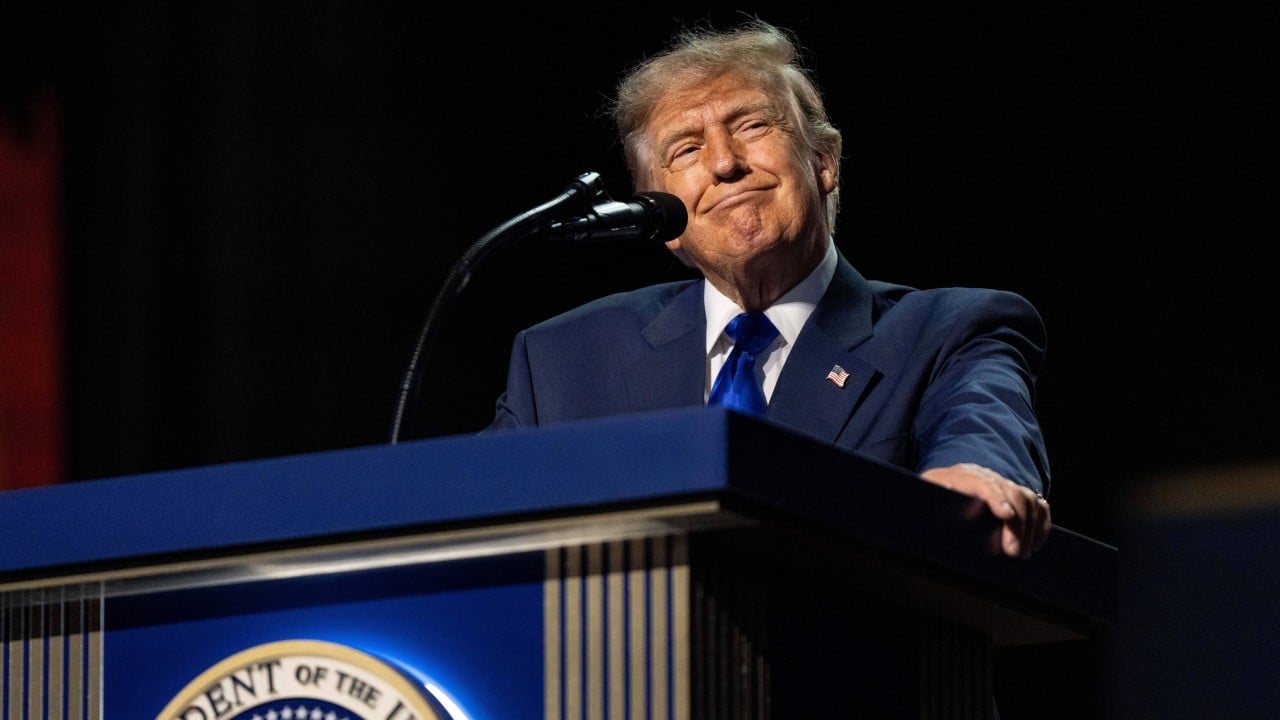
Political alignment provides the obvious subtext. President Donald Trump has long maintained warm relations with right-wing European leaders, including Hungary's political landscape. Poland's shifting political power dynamics also keep the country front and center in transatlantic diplomacy.
When high-level political interests intersect with consular operations, ordinary legal immigration rules bend. While an applicant in Mumbai or London watches years of paperwork stall because of a mandatory training rollout, someone filing through Warsaw or Budapest benefits from a direct white-glove directive out of Washington.
What This Means for Global Applicants
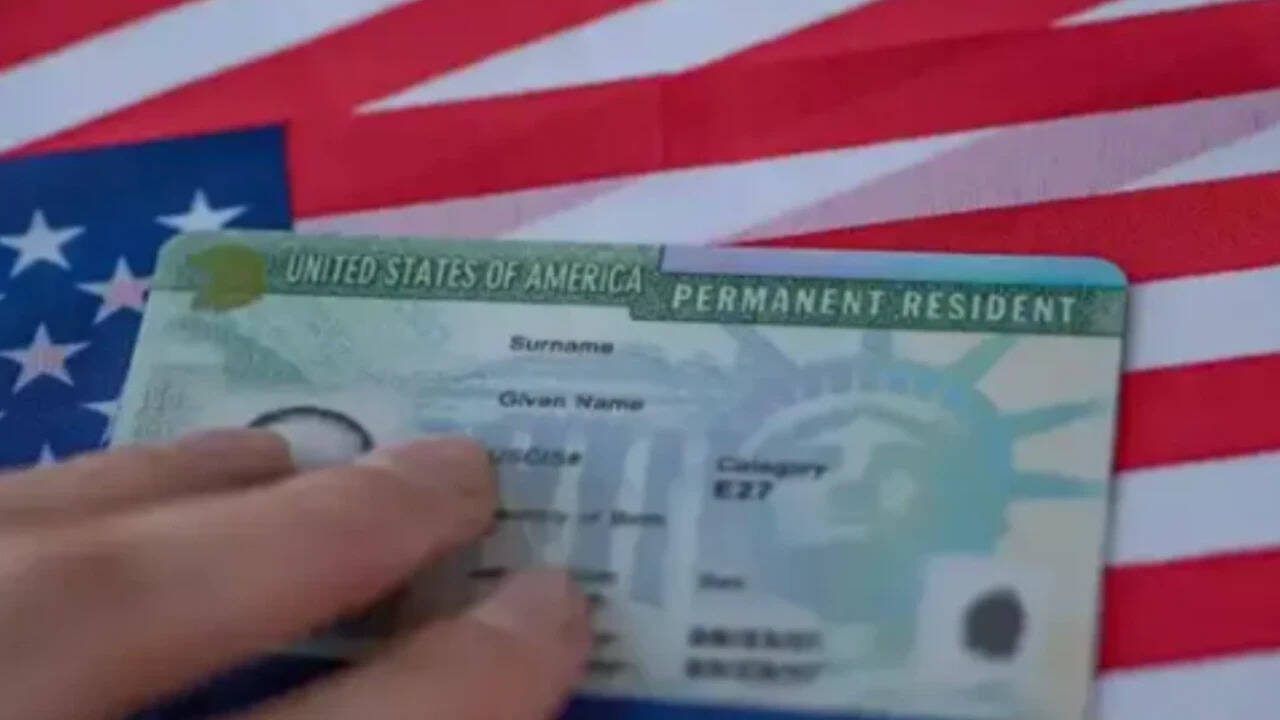
If your immigrant visa appointment is sitting on a calendar outside of Hungary or Poland, you are paying the price for a system bogged down by administrative restructuring and selective prioritization. The U.S. issued roughly 600,000 immigrant visas in 2024, mostly to relatives of American citizens and green card holders. Those family reunification pipelines are now stuttering violently based on geography.
Do not expect clear communication from local embassies if you are caught in the wider pause. Consular sections are hiding behind generic automated messages about scheduling adjustments and training compliance. If you are affected, keep your documentation updated, monitor your embassy portal daily, and prepare for extended timelines that defy official estimates. The rules change depending on where you file, and fairness rarely enters the equation.