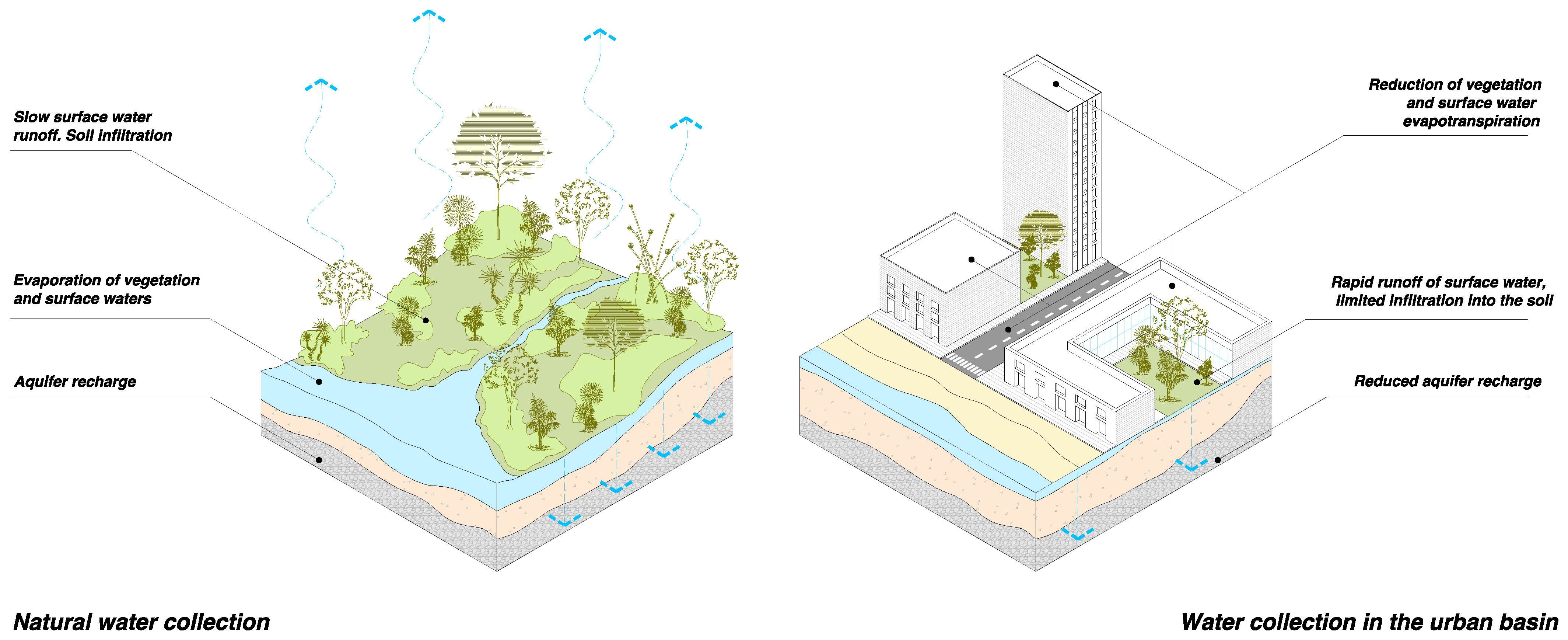
Urban drainage is fundamentally a capacity-matching exercise between precipitation volume and subterranean conveyance throughput. When a municipal system fails under a localized convective storm, the breakdown is rarely a single point of failure. It exposes a cascading vulnerability across three distinct subsystems: surface absorption limits, gravity-fed network bottlenecks, and pumping station operational thresholds.
New York City experienced a stark demonstration of this systemic vulnerability during intense cloudburst events that overwhelmed the municipal infrastructure. Surface runoff outpaced the drainage ingestion rate by orders of magnitude, turning asphalt corridors into open-channel waterways and forcing subterranean transit systems to ingest millions of gallons of untreated stormwater.
The Physical Constraints of Legacy Drainage
The municipal sewer network relies heavily on a combined sewer system built largely in the late nineteenth and early twentieth centuries. This architecture was engineered to handle standard dry-weather sanitary flow alongside predictable wet-weather runoff profiles.
Volumetric Capacity Limits
Rainfall rates exceeding 1.75 to 2 inches per hour instantly saturate the system design parameters. When instantaneous precipitation surpasses the drainage ingestion rate, water accumulates on the surface because gravity-fed conduits cannot accelerate flow beyond strict physical and hydraulic gradients.
The Hydraulic Bottleneck
Subterranean pipes operate under partial-flow gravity principles until surcharge occurs. Once inflow exceeds cross-sectional pipe capacity, the system transitions to pressurized pipe flow. This creates backpressure, causing manhole covers to displace and pushing stormwater upward into low-lying street basins rather than away from them.
Topographical Depressions
The street grid contains natural bowl formations and engineered topographical depressions. Intersections situated at subterranean grade changes act as collection sumps where surface runoff converges before reaching catch basins. When catch basins clog with urban debris, these low points become primary flood zones.
Subterranean Inundation Dynamics
Subway infrastructure operates below street grade, making subterranean stations and track beds gravity-fed collection points for any breach in the upper surface layer.
Street-to-Station Conduits
Stairwells, ventilation grates, and sidewalk elevator shafts function as high-volume spillways during extreme precipitation events. Once street-level accumulation exceeds the height of stair risers, water cascades directly onto landing platforms and cascades down stairwells into active track trenches.
Third-Rail and Electrical Constraints
Track beds house high-voltage direct current third rails. Inundation with urban stormwater, which contains dissolved salts, road grime, and conductive minerals, creates short-circuit pathways. Signal equipment and track circuits fail rapidly upon water contact, triggering automatic safety shutdowns that freeze network mobility.
Pumping Station Thresholds
The transit authority maintains hundreds of dewatering pumps throughout the subterranean network. These pumps possess finite discharge rates measured in gallons per minute. When stormwater inflow exceeds aggregate pump capacity, water levels rise at a fixed differential until electrical panels submerge, disabling the pumps entirely.
Systemic Failure Points in Urban Water Management
Analyzing the mechanics of urban flooding requires mapping how localized failures propagate through regional infrastructure networks.
- Inflow Hydrograph Disconnect: The time lag between peak precipitation and peak runoff is compressed to minutes in dense concrete environments, leaving zero operational window for manual diversion.
- Outfall Tidal Locking: Coastal cities rely on gravity outfalls that discharge into surrounding estuaries. When heavy rainfall coincides with high astronomical tides, the outfall gates are submerged, preventing interior water from escaping and causing an inland backup.
- Subsurface Utility Congestion: Older utility tunnels share subterranean space with sewer lines. When water breaches these shared corridors, it travels laterally along electrical conduits and telecommunication tubes, expanding the flood footprint far beyond the initial drainage basin.
Capital Allocation and Infrastructure Adaptation
Mitigating recurrent urban inundation requires shifting from reactive emergency response to preventive capital engineering. Traditional sewer augmentation involves multi-billion-dollar tunneling projects that take decades to complete. Contemporary resilience strategies instead prioritize decentralized stormwater management.
Installing porous pavements, constructing subterranean retention basins, and retrofitting catch basins with real-time sensor arrays allow operators to monitor surcharging risks before streets flood. Intelligent valve systems can dynamically reroute flow away from saturated treatment plants toward temporary holding zones.
Urban resilience depends on acknowledging that legacy design parameters are obsolete under contemporary meteorological conditions. Infrastructure survival relies on distributed absorption, predictive routing, and hardening subterranean access points against high-velocity surface breaches.