The red lights are flashing in New York, but nobody’s hitting the brakes. If you watched the latest emergency session at the United Nations Security Council, you saw more than just a diplomatic spat. You saw a global system vibrating under the pressure of a potential regional war. UN Secretary-General António Guterres didn't mince words. He’s warned that we're looking at an uncontrollable chain of events. He’s right. When the world’s most powerful bodies spend more time trading insults than drafting solutions, the "brink" starts to look like the new normal.
The tension between Israel, the United States, and Iran has moved past shadow boxing. It's now a direct, high-stakes confrontation played out in front of a gallery of ambassadors who seem powerless to stop the slide.
The Security Council Floor is a Battleground
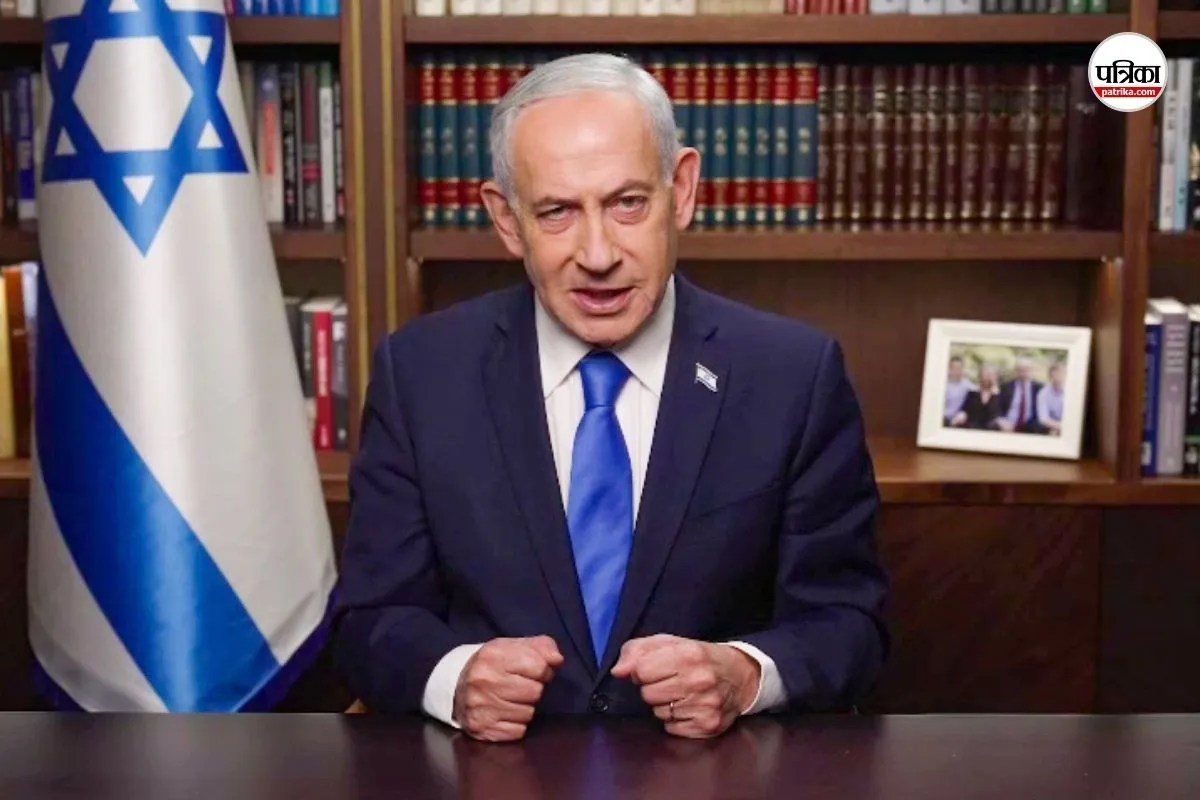
The chamber was charged. It wasn't the usual dry, bureaucratic drone. On one side, you had U.S. Ambassador Linda Thomas-Greenfield and Israeli Representative Danny Danon. On the other, Iran’s leadership and its allies. The rhetoric wasn't just tough; it was foundational. The U.S. is demanding the Council hold Iran accountable for its missile strikes and its support of proxies like Hezbollah and Hamas. Israel is calling for "real" sanctions that actually bite.
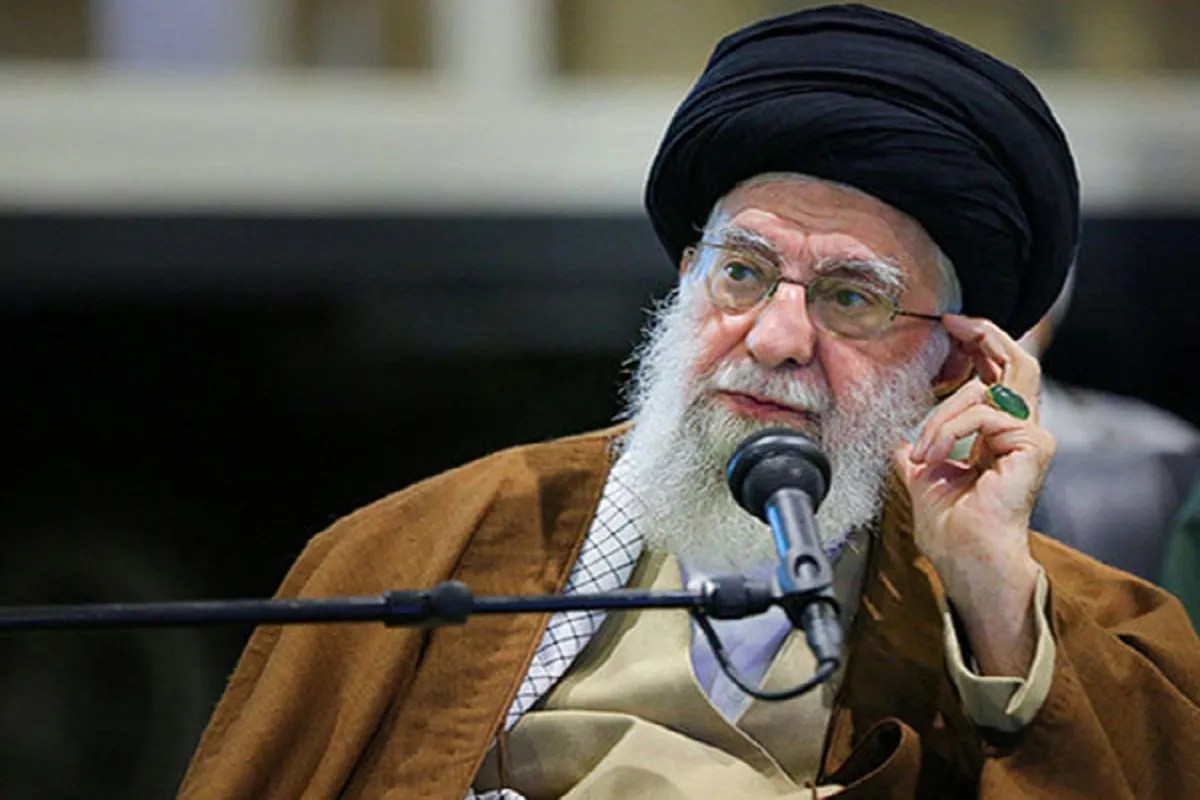
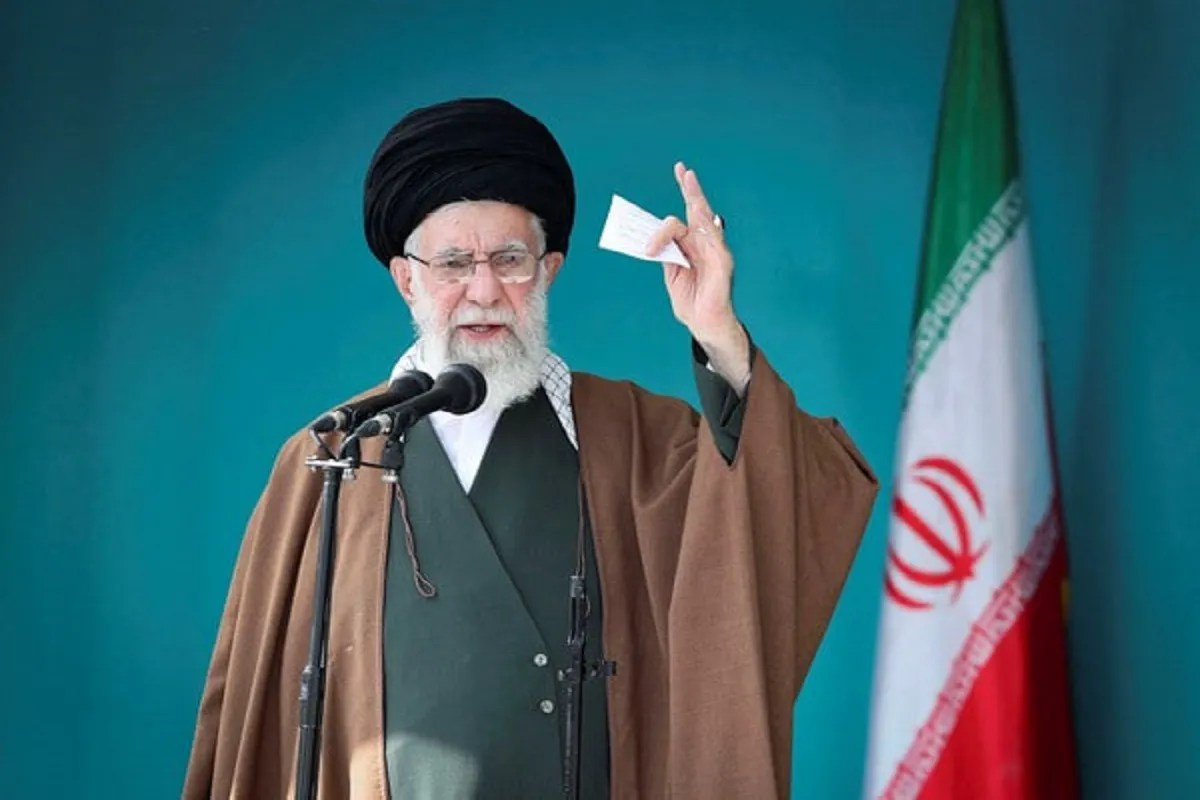
Meanwhile, Iran maintains that its actions are purely defensive, a response to what they call Israeli "aggression" and violations of their sovereignty. This isn't just a "he said, she said" situation. It’s a fundamental disagreement on what constitutes international law. When the U.S. says "defense," Iran says "provocation." When Iran says "resistance," Israel says "terrorism."
The problem is the veto power. It’s the elephant in the room that makes these sessions feel like theater. Because the permanent members can’t agree on the basic facts of the conflict, any resolution with actual teeth gets shredded before it can even be voted on. We’re watching a loop. A strike happens, a meeting is called, speeches are made, and then everyone goes home while the situation on the ground gets worse.
Why Guterres is Losing Sleep
António Guterres is often criticized for being "deeply concerned," a phrase that has become a bit of a meme in diplomatic circles. But look at the math he's doing. He sees a landscape where miscalculation is the biggest threat.
When you have thousands of rockets, sophisticated air defense systems, and targeted assassinations happening in real-time, the margin for error is zero. Guterres is worried about the "chain of events" because he knows how fast things move. One stray missile hitting a high-casualty civilian target or a diplomatic building can trigger a "response to the response" that neither side can walk back from.
The Secretary-General’s nightmare is a full-scale regional war that drags in global powers. He’s essentially screaming at the Council to find an "off-ramp." But an off-ramp requires both sides to believe they can stop without looking weak. Right now, neither Jerusalem nor Tehran feels they have that luxury.
The Proxy Factor
It’s not just about a direct exchange between two countries. The "chain of events" Guterres fears is heavily linked to the "Axis of Resistance."
- Hezbollah in Lebanon: They have an arsenal that can reach almost anywhere in Israel.
- The Houthis in Yemen: They’ve shown they can disrupt global shipping in the Red Sea.
- Militias in Iraq and Syria: They provide a land bridge for logistics and localized pressure.
If the UNSC can’t address these non-state actors, they aren't addressing the real war. The Council is built to handle conflicts between nations. It’s remarkably bad at handling groups that don't have a seat at the table but have enough firepower to start a conflagration.
The Sanctions Gap and Why It Matters
Israel’s Danny Danon was blunt. He wants the "snapback" mechanism. This is a technical term for reinstating all the international sanctions that were lifted under the 2015 nuclear deal (the JCPOA).
The logic is simple. If you starve the IRGC (Islamic Revolutionary Guard Corps) of funds, you limit their ability to project power. But here’s the reality check: Sanctions only work if they’re universal. If the West squeezes Iran while other major powers provide a financial lifeline, the pressure is more like a light breeze.
Russia and China aren't interested in the U.S. version of "accountability." They see Iran as a strategic partner or, at the very least, a useful counterweight to American influence in the Middle East. This geopolitical split means the Security Council can’t even agree on a press statement, let alone a punishing sanctions regime. It’s a stalemate that fuels the fire.
What Diplomacy Looks Like When It’s Broken
You might wonder why they even bother meeting. If nothing gets passed, what’s the point? Honestly, it’s about the record. Every speech is a message to a home audience and a signal to allies.
The U.S. uses the floor to show it stands 100% with Israel, regardless of the internal political pressures in Washington. Iran uses it to frame itself as the leader of an anti-imperialist front. It’s posturing with high stakes.
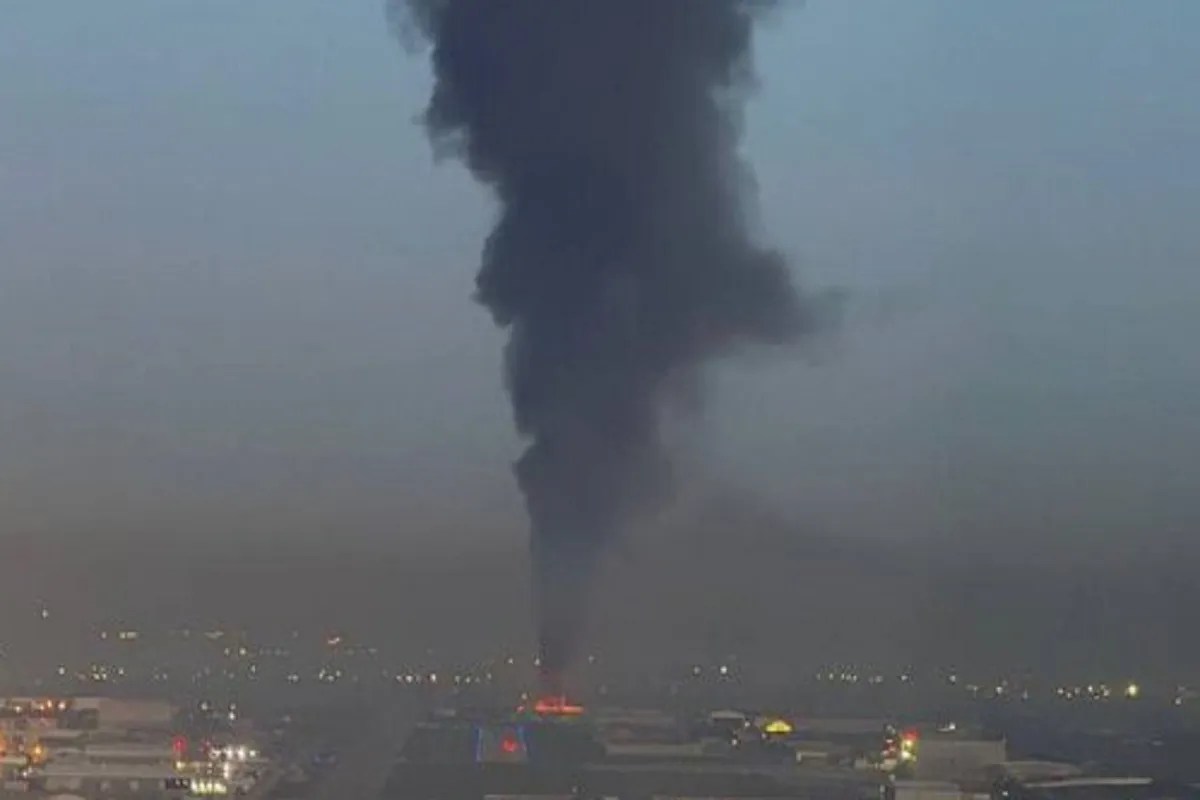
But while the diplomats talk, the hardware is moving. We’ve seen a shift from "deniable" operations to overt, large-scale attacks. That’s a massive change. For decades, this was a "shadow war." That shadow is gone. It's happening in the bright light of day, and the UNSC is effectively a spectator with a front-row seat.
The Real Risk of Miscalculation
The most dangerous part of this "chain of events" isn't a planned invasion. It’s the "oops" moment.
Think about it. An air defense operator has seconds to decide if a blip on a screen is a threat. A commander in the field might take an initiative that hasn't been cleared by the central government. In a high-tension environment, every action is interpreted through the lens of worst-case scenarios.
The UN’s role should be to provide a "hotline" or a neutral space to de-escalate these moments. But when the neutrality of the UN itself is questioned by the participants, that space vanishes. Israel has been vocally critical of various UN agencies, and Iran views the UN as a tool of Western hegemony. When you don't trust the referee, the game turns into a brawl.
Moving Beyond the Rhetoric
The situation isn't going to resolve itself through a strongly worded letter from the Secretary-General. If the international community wants to break the cycle, it needs to move beyond the Council floor.
The real work is happening in back-channel talks in places like Qatar, Oman, and Cairo. These are the venues where actual messages are passed between adversaries who won't speak to each other in public. The UN Security Council serves as the public temperature gauge, and right now, the mercury is boiling.
If you’re watching this play out, don't look for a sudden peace treaty. Look for the small signs of de-escalation. Are the flight paths opening back up? Is the rhetoric in the state-controlled media softening? Are the "responses" becoming more symbolic and less lethal? Those are the real metrics of success, not the number of hands raised in a New York conference room.
Stay informed by following multiple primary sources. Don't just rely on one side’s press releases. Compare the statements from the UN's official transcripts with the local reporting from the Middle East. The truth is usually found in the gaps between the two. The next few weeks are critical. Watch the borders, but keep an eye on the diplomatic cables. That’s where the real "chain of events" will be decided.