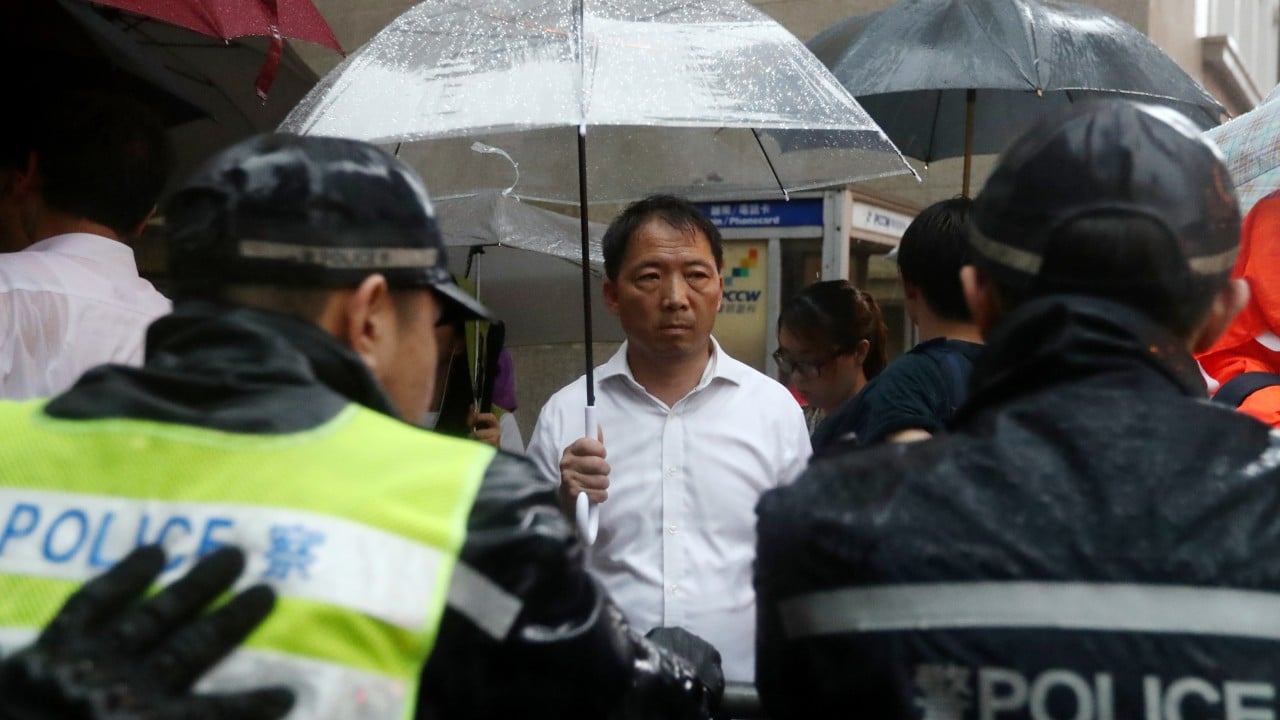
When news broke that former Hong Kong Democratic Party chairman Wu Chi-wai had been detained at London's Heathrow Airport and initially threatened with deportation back to Hong Kong within seven days, alarm bells rang across political circles.
Wu had just served a 53-month prison sentence in Hong Kong following a high-profile subversion case alongside 44 other pro-democracy figures. Released on June 30, he boarded a flight to the United Kingdom to seek asylum and settle using the British National (Overseas) scheme.
Instead of an immediate safe haven, he was met by border control officers who confiscated his passport and flagged him for deportation.
He wasn't turned away due to political malice. The British Home Office confirmed Border Force officials were working through a complicated "administrative issue" involving his paperwork. The hold-up was resolved, and Wu was granted entry to the UK. But the incident exposes a massive disconnect between political policy and frontline border administration.
The Gap Between Sanctuary Promises and Border Enforcement
The UK government established the British National (Overseas) visa route to offer a pathway to citizenship for Hong Kong residents fleeing Beijing’s National Security Law. Under official Home Office guidelines, eligible individuals can apply for a BN(O) visa from within Britain, even if they arrive as visitors or enter while making an asylum claim.
Yet frontline officers at Heathrow initially held Wu under the threat of expulsion within a week.
Why did this happen?
High-profile dissidents frequently arrive in transit without standard travel documentation due to passport seizures or political bans in their home territories. When a passenger presents an unusual documentation profile at the border desk, automated immigration systems trigger default detention or deportation procedures.
Unless a case is pre-flagged at executive levels, border agents default to strict statutory checks rather than political context.
Why Technical Formalities Cause Chaos for Political Asylum Seekers
Wu Chi-wai’s situation isn't isolated, but it highlights how rigid bureaucratic protocols can create dangerous friction for political exiles.
When someone finishes a prison term for political offenses and immediately flees overseas, paperwork is rarely neat. Passports might be near expiration, emergency travel documents might lack traditional entry visas, or travel records might show red flags flagged by foreign law enforcement.
Border authorities have to balance national security with humanitarian commitments. However, when procedures lack agility, the consequences can be severe. Sending a prominent opposition figure back to a jurisdiction where they just completed a multi-year sentence for national security offenses would carry huge political consequences.
The administrative delay in Wu's case was fixed once senior officials stepped in. But relying on manual interventions for individual high-profile cases isn't a sustainable policy strategy.
What Needs to Change for High-Risk Arrivals
If the UK wants its BN(O) and asylum policies to function properly, immigration processing needs structural updates for political arrivals.
- Direct communication channels between human rights desks and Border Force. Frontline immigration staff should have immediate access to specialized case managers who understand political asylum backgrounds.
- Clearer protocol for BN(O) applicants without standard documents. Guidance needs to be explicit so border agents don't default to deportation threats when handling complex arrivals.
- Pre-clearance mechanisms for political dissidents. Whenever feasible, human rights organizations and legal representatives should be able to notify border control ahead of an individual's flight arrival to prevent airport detentions.
Wu Chi-wai eventually cleared customs and stepped onto British soil. But his ordeal at Heathrow should serve as a practical wake-up call for immigration authorities. When human lives and international commitments are on the line, paperwork glitches shouldn't almost cause a deportation crisis.