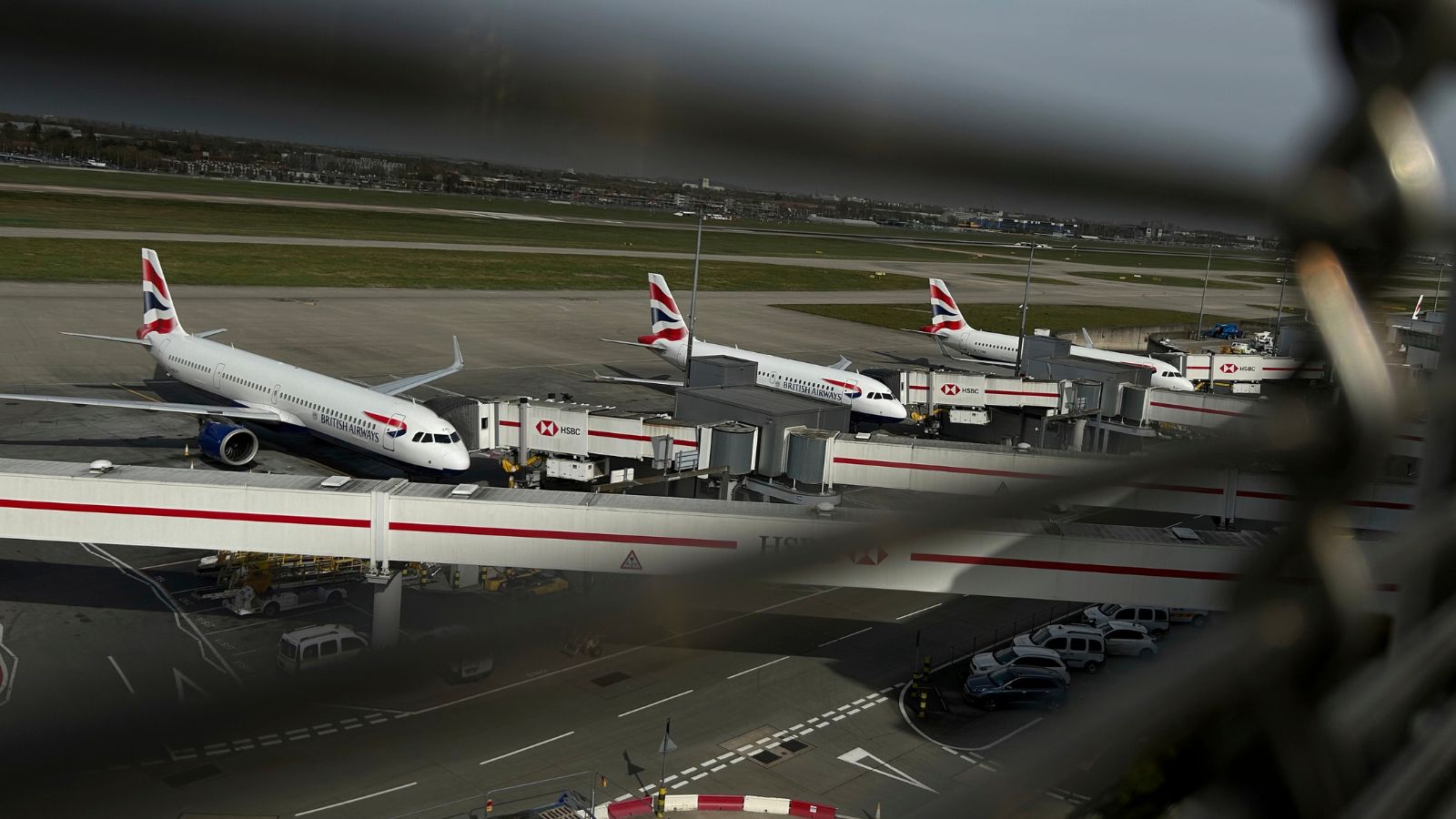
If you stood inside London Heathrow, Gatwick, or Manchester on Tuesday afternoon, you didn't need a news alert to know something was fundamentally broken. You just needed to look at the departure boards. Hundreds of flights grounded, crowds pooling around airline desks, and a familiar, sinking feeling that your carefully planned itinerary had just evaporated.
The National Air Traffic Services (NATS) suffered yet another major technical failure in its flight processing system, halting departing flights across the United Kingdom and throwing European airspace into chaos. Over 625 flights were cancelled, tens of thousands of passengers were stranded, and airline executives once again found themselves screaming into the void about critical infrastructure that simply cannot handle the weight of modern travel.
If you are wondering why the UK aviation network remains so fragile, you are not alone. Let's look at what actually happened, why these systems keep breaking, and what you can do the next time your flight gets caught in the crossfire.
What Really Caused the NATS Meltdown
NATS handles the complex choreography of British airspace, ensuring planes do not occupy the same patch of sky. On Tuesday, the core flight processing system—the digital nervous system that handles flight plans—experienced a critical software fault.
Unlike a radar outage that blinds controllers to what is happening right this second, a flight processing failure means the system cannot properly process data for future movements. Controllers cannot safely clear departures without knowing precisely where every aircraft is heading and when.
To maintain safety, NATS had to restrict departures. British airspace stayed officially open, but planes stayed pinned to the tarmac. Major hubs like Heathrow and Gatwick quickly ran out of physical gate space because incoming flights landed, but outbound flights couldn't leave to clear the stands.
NATS eventually implemented a fix and stated that systems were recovering, but a software patch doesn't instantly fix a cascading network failure. Once planes, flight crews, and aircraft are physically displaced across different continents, it takes days to unwind the mess.
The Recurring Nightmare of UK Aviation Infrastructure
Let's be blunt: this wasn't an isolated black swan event. It's part of a worrying pattern.
Travelers and airlines remember the massive 2023 bank holiday meltdown that stranded hundreds of thousands of people due to a flight-planning data glitch. They remember the radar-related faults that jammed London airports. When a critical national infrastructure provider suffers major technical failures with this kind of regularity, the polite questions asked by the Department for Transport start to feel hollow.
Airlines didn't hold back this time. Low-cost carrier Ryanair publicly called for the resignation of the NATS Chief Executive after tens of thousands of its passengers faced brutal delays of up to eight hours. Wizz Air openly slammed NATS as not fit for purpose.
When you have a monopolistic air traffic provider funded jointly by airlines and the government, accountability gets murky. Airlines pay the bills, but they have zero control over the technology stack. When NATS stumbles, carriers pick up the multi-million-pound tab for passenger compensation, hotel rooms, and rebooking, while passengers lose precious days of their lives waiting in departure lounges.
How to Protect Your Trips When Air Traffic Control Fails
You can't fix the UK's software architecture from seat 14B. But you can stop yourself from being entirely helpless when the system collapses.
Stop booking the last flight of the day if you have a tight schedule. When an afternoon ATC outage ripples through the network, evening flights are the first to get chopped because crews run out of legal working hours or aircraft are stuck in Munich, Dublin, or Madrid.
Always keep airline apps downloaded and push notifications turned on before you head to the airport. During Tuesday's chaos, the information gap between ground staff and passengers was enormous. By the time a beleaguered gate agent announces a cancellation, the app often has the update ten minutes earlier, letting you log in immediately to select a rebooking option or claim a refund before the ticket counter queue stretches around the terminal.
Know your rights under UK and EU aviation rules. If your flight is cancelled or heavily delayed due to an air traffic control software failure, airlines will frequently try to hide behind the "extraordinary circumstances" clause. While the initial glitch itself is outside the airline's direct control, EU and UK regulations still mandate that carriers must provide you with food, drink, overnight accommodation if necessary, and alternative travel arrangements. Push for your entitlements immediately rather than waiting to sort it out months later via an online claims portal.
The next time you book a summer getaway or a business trip through British airspace, keep a close eye on the broader reliability of the network. Until major structural upgrades modernize the country's air traffic control backend, a single software glitch will remain capable of bringing British aviation to a screeching halt.