The sky over the Emirates didn't just stay quiet by accident last night. It stayed quiet because years of multi-billion dollar investments in layered defense systems actually did exactly what they were designed to do. When the alerts came in that Iranian-launched drones and missiles were tracking toward the region, the UAE military didn't flinch. They engaged. They neutralized the threats. And they proved that the "impenetrable shield" rhetoric we’ve heard for a decade isn't just marketing for defense contractors.
This wasn't a drill. It was a live-fire demonstration of the most sophisticated air defense network in the Middle East. If you’re looking for the reason why life in Dubai and Abu Dhabi continued mostly uninterrupted while sirens blared elsewhere, you have to look at the hardware and the specialized training that caught these projectiles before they could touch soil.
The multi-layered response that saved the day
Most people think of air defense as a single battery of missiles. It’s not. It’s a net. When the Iranian projectiles—a mix of slow-moving "suicide" drones and faster ballistic missiles—entered the monitored zone, they weren't met by one system. They were handed off through a sequence of interceptions.
The UAE uses a "tiered" approach. At the highest altitude, you have the THAAD (Terminal High Altitude Area Defense). This is the heavy hitter. It’s designed to smash ballistic missiles while they’re still high in the atmosphere. It’s hit-to-kill technology. No explosives. Just raw kinetic energy. Think of it like hitting a bullet with another bullet at five times the speed of sound. The UAE was the first international customer for this US-made system, and during this latest escalation, that early adoption paid off.
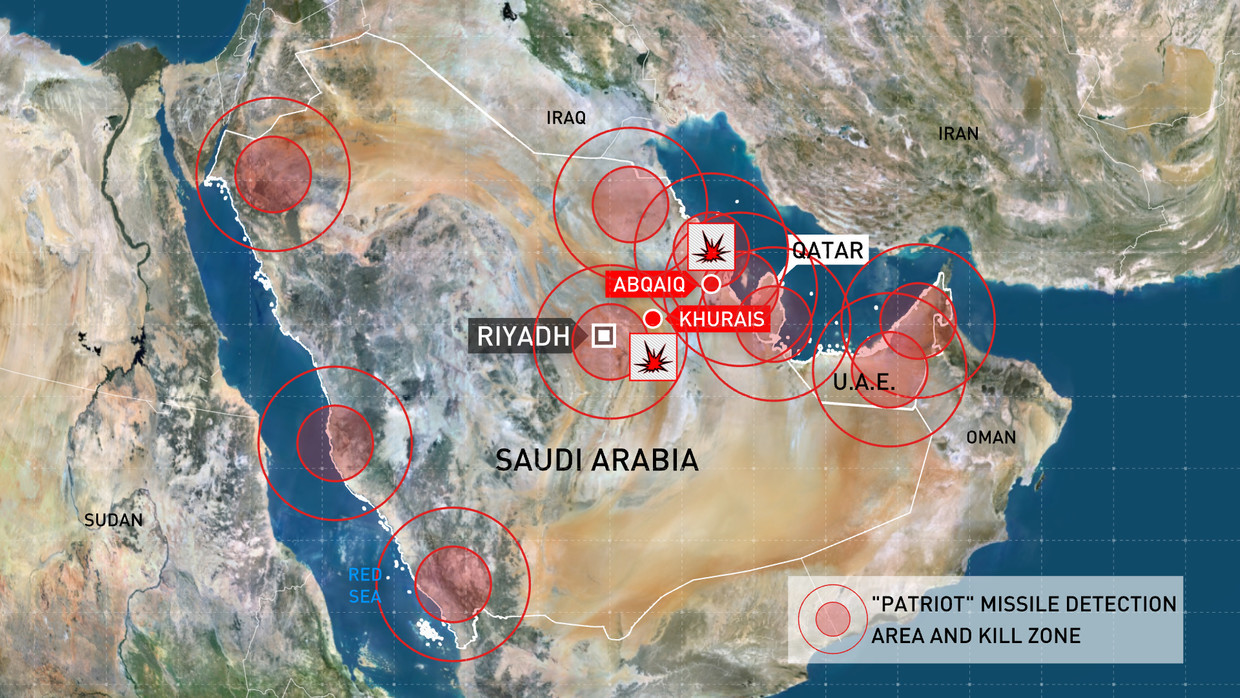
Below that, the Patriot PAC-3 batteries handled the mid-range threats. While THAAD takes the long shots, the Patriot is the workhorse. It’s been upgraded specifically to handle the kind of maneuvering cruise missiles that regional actors have been utilizing more frequently. Then, for the low-flying drones—the ones that try to hug the terrain to avoid radar—the UAE utilized shorter-range systems like the Pantsir-S1 and potentially the South Korean-made M-SAM.
This variety matters. If you only have one type of defense, the enemy just builds a cheaper version of what you can’t catch. By having three or four layers, the UAE makes the "cost of entry" for an attacker almost impossible to overcome.
Why the Iranian drone strategy failed this time
Iran has leaned heavily on the "swarm" tactic. The idea is simple. Launch fifty cheap drones at once. Even if forty-five get shot down, the remaining five might hit a power plant or a civilian center. It’s a math game. They want to exhaust the defender’s expensive interceptors with $20,000 plastic drones.
But the math changed last night.
The UAE’s integration with regional radar hubs provided an early warning that neutralized the element of surprise. You can’t swarm a defender who sees you coming 500 miles away. By the time the drones reached the engagement zone, the UAE’s electronic warfare units had already started jamming their GPS links. Many of these drones didn't even need a missile to take them down. They simply lost their way and crashed into the sea.
For the ones that kept flying, the automated fire-control systems picked them off with clinical efficiency. We’re seeing a shift where the "low and slow" drone threat is being countered by high-rate-of-fire guns and short-range missiles that don't cost $2 million per shot. This balance is what keeps the defense sustainable.
Realities of regional security cooperation
You can't talk about this interception without talking about the "quiet" cooperation between neighbors. This isn't just about UAE crews sitting in silos. It’s about a shared data link. When a missile is launched from Iranian territory, sensors from across the Gulf—including US assets and neighboring radar installations—instantly feed that data into a centralized network.
This isn't a secret, but the level of synchronization is often underestimated. The UAE’s ability to repel these strikes is bolstered by the fact that they aren't working in a vacuum. They have the best "situational awareness" in the world right now.
What this means for your safety in the UAE
If you’re living in or visiting the UAE, the main takeaway is that the country has built a buffer against regional instability that actually works. While the headlines look scary, the reality on the ground is one of high-tech containment.
- Radars are 24/7: The surveillance doesn't sleep. Even in periods of "peace," the scans are constant.
- Minimal debris risk: Interceptions are planned to happen over unpopulated areas or the sea whenever possible.
- Redundancy is king: If one battery misses, another is already locked on.
The UAE isn't just buying gear. They're building a doctrine. They’ve seen what happened in other conflict zones where air defenses were patchy or outdated. They chose a different path. They chose total coverage.
The technical edge of the THAAD system
To understand why this repulsion was so successful, you have to appreciate the THAAD’s role. It’s the only system in the world designed to intercept targets both inside and outside the atmosphere. During the engagement, the ability to strike high meant that any potential chemical or explosive payload was neutralized far enough away that the "fallout" wasn't a factor for people on the ground.
Critics used to say the THAAD was too expensive. They said it was overkill for the region. Those critics are very quiet today. When you’re protecting some of the world’s most valuable infrastructure and millions of lives, "overkill" is exactly what you want.
Moving forward in a volatile climate
The success of this interception doesn't mean the threat is gone. It just means the "shield" held. We should expect the UAE to continue accelerating its domestic defense manufacturing, reducing reliance on external suppliers over the next few years. They’re already making their own drones and small-scale interceptors.
For now, the focus remains on readiness. The crews operating these batteries are some of the most well-trained in the world, having spent years in simulation and live-fire exercises. That human element—the person behind the console making the split-second decision to launch—is the final piece of the puzzle.
Keep an eye on official government channels like the Ministry of Defense for real-time updates if another escalation occurs. Don't rely on social media rumors. The speed of disinformation is often faster than a missile, but the UAE’s official communications have proven to be the most reliable source of truth during these events.
The message is clear. The airspace is closed to anyone who thinks they can test the Emirates' resolve. The defenses are live, the crews are ready, and the technology is several steps ahead of the threats. Stay informed, stay calm, and trust the systems that have just proven their worth under the highest possible pressure.