One massive super typhoon can quietly rewrite an entire week of East Asian aviation, maritime shipping, and cross-border travel plans. When Super Typhoon Champi tore across the western Pacific in October 2026, it didn't just churn up brutal winds and giant waves. It exposed how fragile tight flight rotations, coastal ferries, and regional supply lines really are when a single storm system threads between Taiwan, eastern China, and southern Japan.
If you've ever watched a weather tracker shift a storm's path a hundred miles left or right and wondered why airlines start chopping schedules days early, Champi is a textbook example. Even before the core hit, hundreds of flights across Taiwan were knocked off the board, ferries stopped running, and travelers in Shanghai and Japan found themselves staring down sudden schedule rewrites.
How Super Typhoon Champi Built Into a Monster Storm
Meteorologically, Champi wasn't just another autumn typhoon. Formed back on October 11, 2026, it ramped up into a Category 5-equivalent super typhoon with maximum sustained winds reaching around 185 mph (295 km/h) and gusts hitting up to 200 mph. That kind of intensity puts it among the strongest storms recorded anywhere on Earth in 2026.
Anyone who tracks tropical cyclones knows peak wind speed doesn't tell the whole story for travelers. By the time Champi curved toward northeastern Taiwan, eastern China, and southern Japan, cooler ocean water and wind shear began chipping away at its top-end intensity. Still, a weakening Category 2 or Category 3 typhoon—or even a wide tropical storm—carries huge rain shields, rough seas, and crosswinds that shut down runways and ports long before the center arrives.
Why Taiwan Flights Got Grounded First
Aviation disruption rarely starts the moment rain hits the tarmac. Airlines ground flights early because aircraft and crews have to be positioned safely outside the storm's track, or else a single delayed plane in Taipei creates a domino effect across Tokyo, Seoul, Hong Kong, and Southeast Asia.
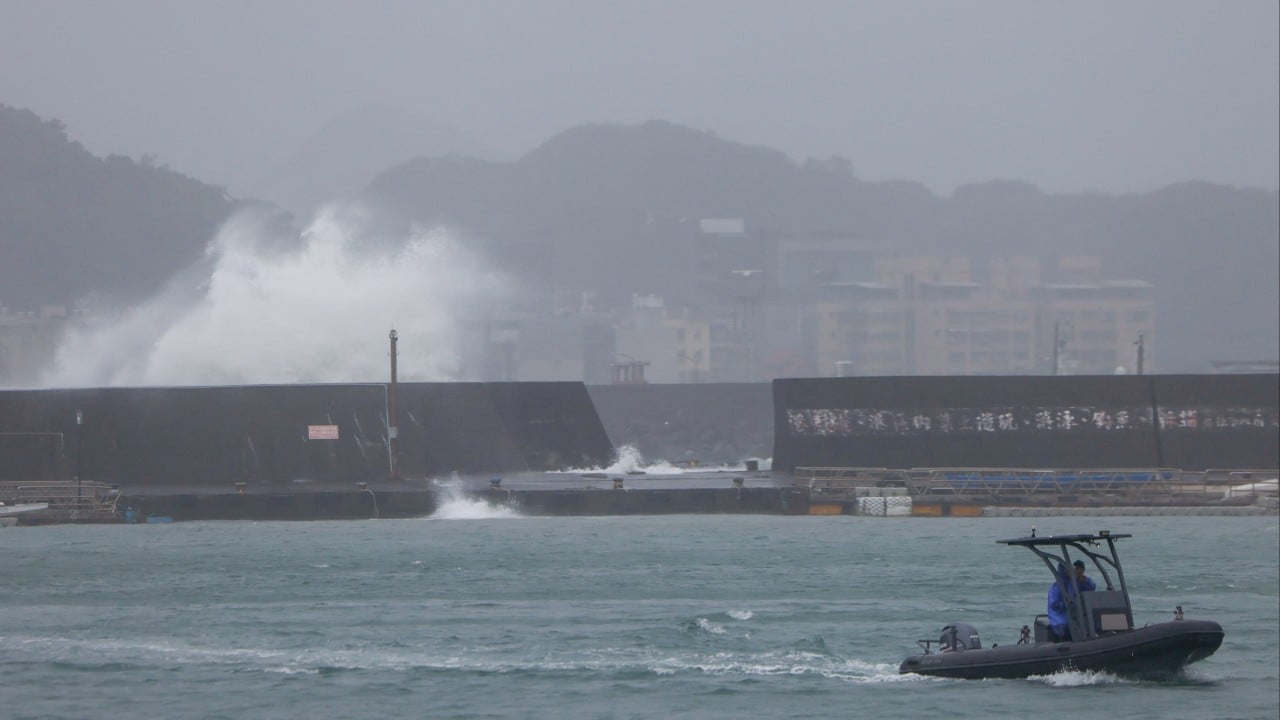
During Champi's approach, hundreds of flights in and around Taiwan were canceled or adjusted, including massive schedule cuts at Taoyuan International Airport alongside domestic flights and coastal ferry suspensions. Carriers like China Airlines warned passengers of flight cancellations, delays, and re-timed departures as the system neared. Meanwhile, heavy surf pounded coastlines—such as high waves rolling into Keelung and massive storm surges along Taiwan's eastern shore—while tens of thousands of households lost power across the storm's path.
Honestly, this is where seasoned travelers separate themselves from first-timers. People often assume that if the sky in Taipei looks partly sunny on Thursday afternoon, their Friday morning flight is safe. Airlines don't fly for the weather at your departure gate alone; they fly for the weather along the route, at the destination, and at the airport where that plane has to go next.
What Shanghai and Japan Faced as the Track Shifted
Once Champi turned north toward eastern China and eventually curved northeast toward southern Japan, travel anxiety shifted from "Will my flight leave?" to "How fast will the corridor recover?"
In eastern China, authorities moved tens of thousands of residents out of harm's way in Shanghai and canceled over 100 flights as Champi threatened the coastal hub corridor. When a major hub like Shanghai—or neighboring airports in Zhejiang and Fujian—throttles operations, regional business travel and cargo connections stall fast. Even when winds ease, air traffic control still has to meter arrivals and departures so airspace doesn't clog.
Further east and south, Japan felt the squeeze across both civilian travel and military logistics. Japanese airlines canceled well over 160 flights ahead of the storm, suspending service to key islands in Okinawa Prefecture such as Miyako and New Ishigaki, while thousands of households experienced power outages. Even the large-scale Keen Sword U.S.-Japan exercise had to adjust daily training activities as Champi approached. That detail says a lot: when joint military operations involving tens of thousands of personnel have to adapt to a storm track, commercial flyers shouldn't expect business as usual.
Common Mistakes Travelers Make During Typhoon Alerts
Watching people scramble at airport counters during a typhoon warning makes a few predictable mistakes jump right off the screen.
- Waiting for an official cancellation text before rebooking. Once an airline issues a weather waiver, smart flyers move early—even if their specific flight hasn't been axed yet. Waiting until the exact hour of departure usually leaves you fighting for scarce seats days later.
- Treating ferries and trains as automatic backups. High seas shut down ferries quickly, and heavy rain can slow or halt rail lines. Don't assume a boat or regional train is a guaranteed Plan B during a tropical system.
- Ignoring ground transport and hotel buffers. A canceled flight isn't just a ticket problem; it's a lodging and transit problem. If a storm is forecast to pass over a weekend, locking in a refundable extra night or flexible transfer beats improvising at midnight.
- Relying on outdated social media rumors. Storm tracks shift constantly. Always check official meteorological agencies—such as Taiwan's weather authorities, the Japan Meteorological Agency, or NASA Earthdata / Joint Typhoon Warning Center updates—alongside your airline's app rather than secondhand posts.
Practical Steps When a Typhoon Threatens Your Trip
If you have travel booked through Taiwan, eastern China, or southern Japan during typhoon season, a calm, proactive routine saves hours of stress and hundreds of dollars.
First, check your fare rules and active airline weather waivers as soon as a named system enters the regional forecast cone. Carriers frequently waive change fees or fare differences for flights into or out of affected hubs during specific date windows. Second, split tight connections or avoid single-carrier bottlenecks if you have flexible dates—a missed connection in a storm-hit hub can strand you longer than a direct reroute. Third, keep digital and printed copies of your itinerary, travel insurance policy numbers, and local emergency contacts handy in case cell networks get congested or power dips. Finally, give yourself grace on timing: even after a typhoon weakens or moves out to sea, schedule recovery across East Asia takes a day or two to untangle.