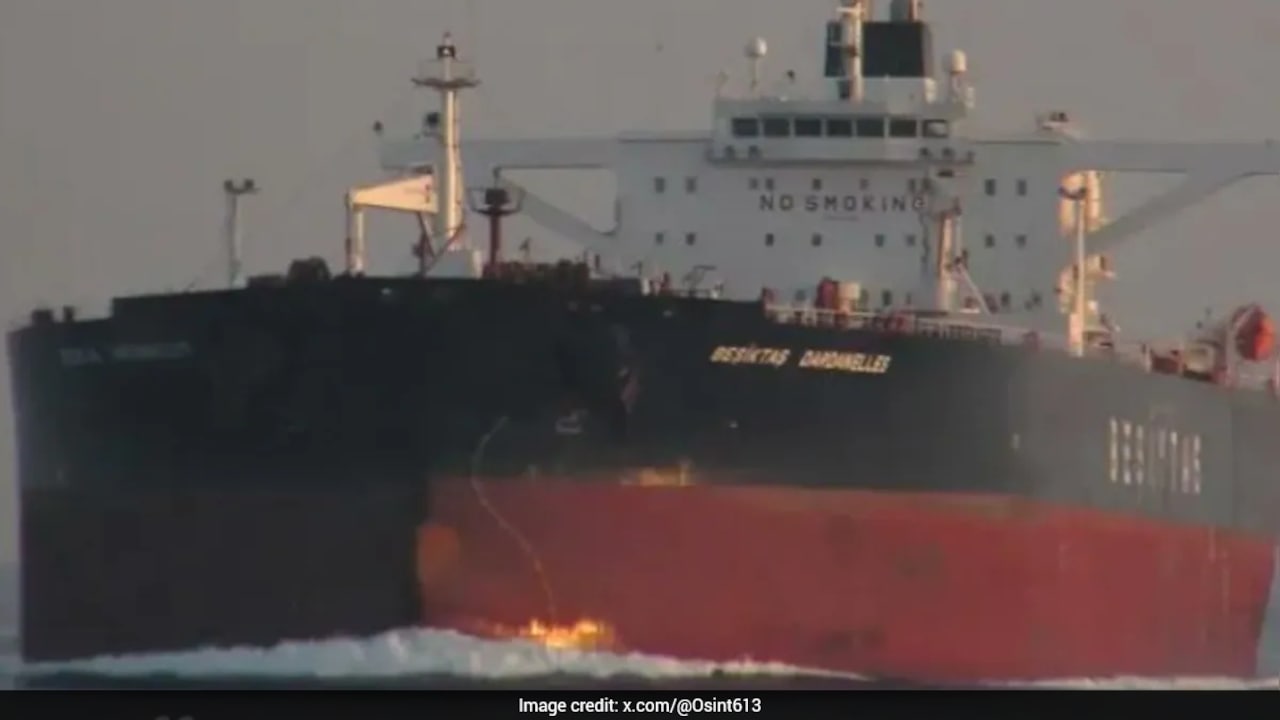
Information warfare in the Middle East moves faster than the speed of a drone strike, and the latest fiction out of Tehran just hit a brick wall. Iran's Islamic Revolutionary Guard Corps (IRGC) tried to rattle global energy markets by claiming two massive oil tankers exploded after hitting sea mines in the Strait of Hormuz.
The response from Washington wasn't diplomatic or parsed in legalese. It was a blunt reality check. Also making news lately: What Everyone Gets Wrong About the Iran War Under Trump.
U.S. Central Command (CENTCOM) fired back instantly on social media, dismissing the entire narrative with a single sentence: "Like most IRGC claims, this is false". No tankers are burning. No crews are in danger. The alleged explosions simply didn't happen.
Why Tehran Is Inventing Explosions
Tehran is currently backed into a corner, and desperate states rely on desperate propaganda. The context behind this latest lie is crucial. This fabricated incident occurred during an intense week of U.S. military operations targeting Iranian infrastructure. American forces had just completed a seventh consecutive night of airstrikes aimed at degrading Iran's ability to threaten global shipping lanes. Additional information into this topic are explored by The Washington Post.
Among the targets destroyed was a key maritime surveillance tower at the Shahid Kalantari Port in Chabahar. The IRGC used that specific tower for decades to track, stalk, and target commercial vessels. With their eyes in the sky blinded and their command nodes smoking, the Guards resorted to the only weapon they had left: psychological warfare.
By fabricating stories of burning tankers, Iran wants to achieve a few specific goals:
- Spike global oil prices to hurt Western economies.
- Terrify commercial shipping companies into avoiding the strait entirely.
- Create a false illusion of control over a waterway that handles a fifth of the world's oil supply.
The IRGC statement, blasted across Iranian state media via agencies like IRNA and Fars, claimed that "deceptive American intelligence agencies" had lured the anonymous tankers into a minefield south of the strait. They deliberately omitted ship names, flags, or casualty figures. Why? Because you can't provide data for a ghost ship.
The Actual State of the Strait of Hormuz
Let's look at what's actually happening on the water vs. what Iran wants you to believe.
While the tankers didn't explode, the Strait of Hormuz is still a highly volatile environment. Iran has spent weeks trying to enforce an illegal blockade, demanding that commercial ships ignore the southern shipping corridors protected by the U.S. Navy and instead hug the northern Iranian coastline.
Traffic through the bottleneck has plummeted. Daily transits through the strait dropped from around 30 ships down to just eight in a matter of days. The threat is real, but it's a threat of harassment, missile strikes, and illegal seizures—not the fictional mine-induced apocalypse the IRGC is pushing.
The U.S. military, alongside international partners, is aggressively pushing back to keep these lanes open. CENTCOM isn't just denying the propaganda; they are actively removing the tools Iran uses to enforce its threats. The destruction of the Chabahar port tower shows the U.S. is moving from a defensive posture to an offensive, preventative strategy.
Navigating the Noise in Geopolitics
If you're tracking these events for business, supply chain management, or just trying to understand your local gas prices, you need a strategy to filter out the noise. When looking at reports from the region, always remember a few baseline rules.
Look for secondary verification. If an oil tanker actually explodes, maritime tracking data from companies like MarineTraffic or Ambrey will show immediate deviations, automated distress signals, or stopped vessels. Iran couldn't name the ships because tracking companies would have immediately debunked the narrative.
Expect asymmetric retaliation. When Iran loses physical military assets on the ground, they almost always respond with cyberattacks or massive disinformation campaigns. This "exploding tanker" claim is a textbook example of a media smoke screen designed to mask tactical failures at home.
The U.S. naval presence in the Persian Gulf isn't going anywhere, and the nightly airstrikes are structurally weakening the IRGC's conventional capabilities. Expect more wild claims from Tehran as the pressure increases. Keep your eyes on verified maritime telemetry, ignore the state media theatricality, and watch the actual shipping volume metrics to know where the conflict is truly heading.