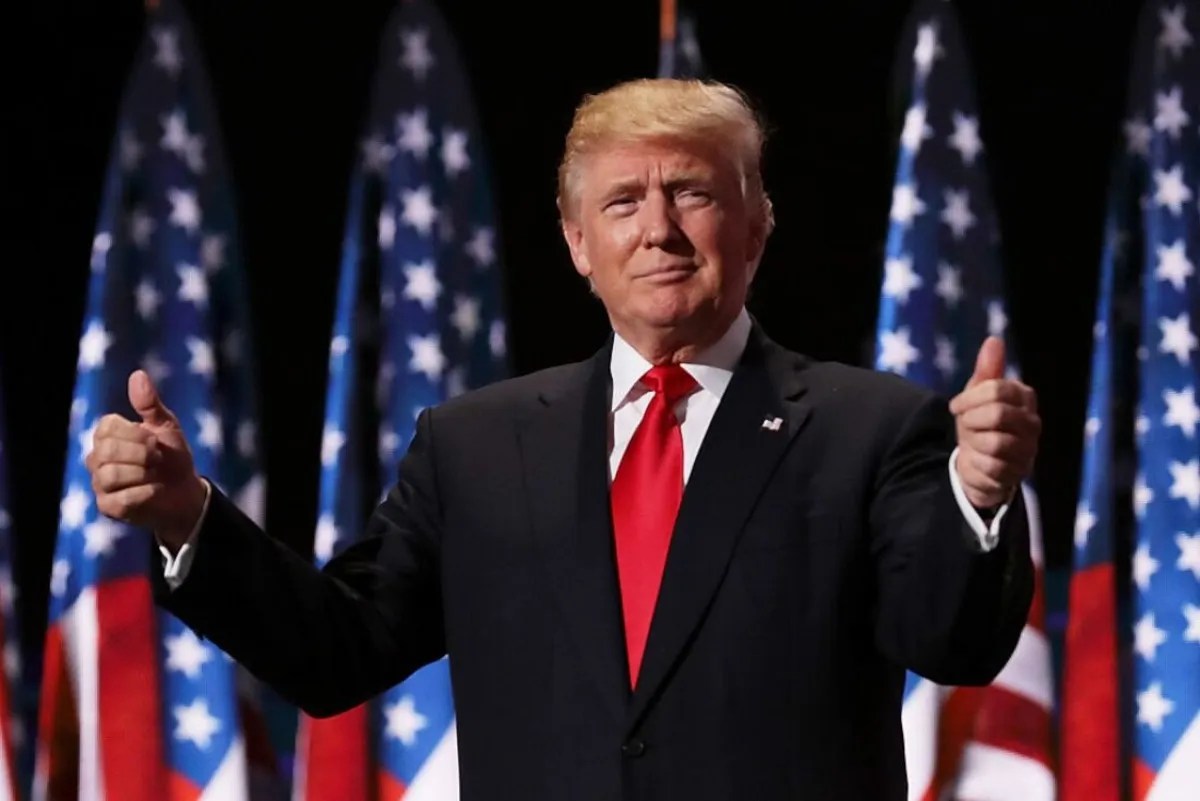
Donald Trump just signaled that Iran should start "reconstructing" to make up for their losses. The media is eating it up. They see it as a softening of his stance or a pragmatic business-first approach to diplomacy. They are wrong. This isn't a peace offering. It is a calculated move to shift the financial burden of regional stability onto a crippled economy while keeping the leash tight.
Everyone is focused on the word "ceasefire." They think it means the smoke clears and the builders move in. I have spent decades watching how capital flows into conflict zones. It doesn't move because of a nice quote on a social media platform. It moves when the risk-adjusted return makes sense. Right now, Iran’s "reconstruction" is a fantasy designed to keep them quiet while the global power dynamic resets.
The Myth of the "Builder President" Intervention
The common narrative suggests that Trump, the real estate mogul, sees a broken country and thinks of cranes and concrete. This is a fundamental misunderstanding of his leverage. By suggesting Iran rebuild, he isn't offering American tax dollars or lifting sanctions out of the goodness of his heart.
He is telling Tehran: "Fix your own mess with money you don't have, under rules we will write."
If you look at the macro-economic reality, Iran’s inflation has been hovering in the stratosphere for years. Their currency is in the basement. You don’t "reconstruct" a nation on that foundation. You barely survive. The suggestion that they can simply pivot to a construction boom is a psychological tactic. It creates an internal expectation within Iran that the government cannot meet, fueling the very instability the West exploits.
Reconstruction as a Debt Trap
When a country "rebuilds" after a conflict, they rarely use their own cash. They use debt. They take loans from international bodies or enter into lopsided agreements with foreign contractors.
If Iran follows this "reconstruction" path, they aren't gaining sovereignty. They are selling it.
- Foreign Direct Investment (FDI) won't touch a nation still under the shadow of "maximum pressure."
- Credit Ratings for the region are junk.
- Infrastructure projects will likely be tied to massive concessions on energy and regional influence.
The "lazy consensus" says this is a win for the Iranian people. In reality, it is the beginning of a decade-long squeeze. We saw this in Iraq. We saw this in various post-Soviet states. Reconstruction is often just a polite word for the systematic extraction of resources by whoever holds the debt.
The Sanctions Paradox
You cannot rebuild a house while you are still banning the delivery of the bricks. Trump’s rhetoric implies a path forward, but the legislative framework of sanctions remains a wall.
Until the secondary sanctions—the ones that scare off European and Asian banks—are dismantled, "reconstruction" is just a buzzword. For an industry insider, the math doesn't check out. Shipping logistics, raw material procurement, and engineering talent require a fluid global banking connection. If the SWIFT ban stays, the cranes stay silent.
Trump knows this. By publicly calling for reconstruction, he puts the ball in Iran’s court. When they fail to rebuild because they lack the capital, he can blame their "inefficient regime" rather than the strangling economic policy he pioneered. It’s a brilliant, brutal branding exercise.
Why Investors Should Stay Skeptical
If you are looking at this as a signal to go long on regional stability or construction materials, hit the brakes.
- Political Volatility: One tweet or one drone launch resets the clock to zero.
- Resource Scarcity: Iran is facing a massive environmental and water crisis that no amount of new glass skyscrapers will fix.
- Internal Friction: The hardliners in Tehran see "reconstruction" led by Western suggestions as a Trojan horse. They will fight it.
I have seen private equity firms lose their shirts betting on "emerging post-conflict markets." They ignore the fact that the underlying institutions are still broken. You aren't investing in a country; you are gambling on a temporary pause in a permanent shadow war.
Stop Asking if Iran Can Rebuild
The question isn't whether Iran can rebuild. The question is who is going to own the result.
When Trump talks about reconstruction, he’s talking about a corporate takeover of a nation's future. He’s inviting them to join a global trade system where he holds all the cards. It’s not about fixing a war-torn landscape. It’s about building a cage that looks like a shopping mall.
Don't look at the headline and see a dove. Look at the balance sheet and see the predator. The "reconstruction" era isn't a new dawn; it's a new way to keep the pressure on without firing a single shot.
Iran isn't being invited back to the table. They are being told to build the table and then pay for the privilege of sitting at it.