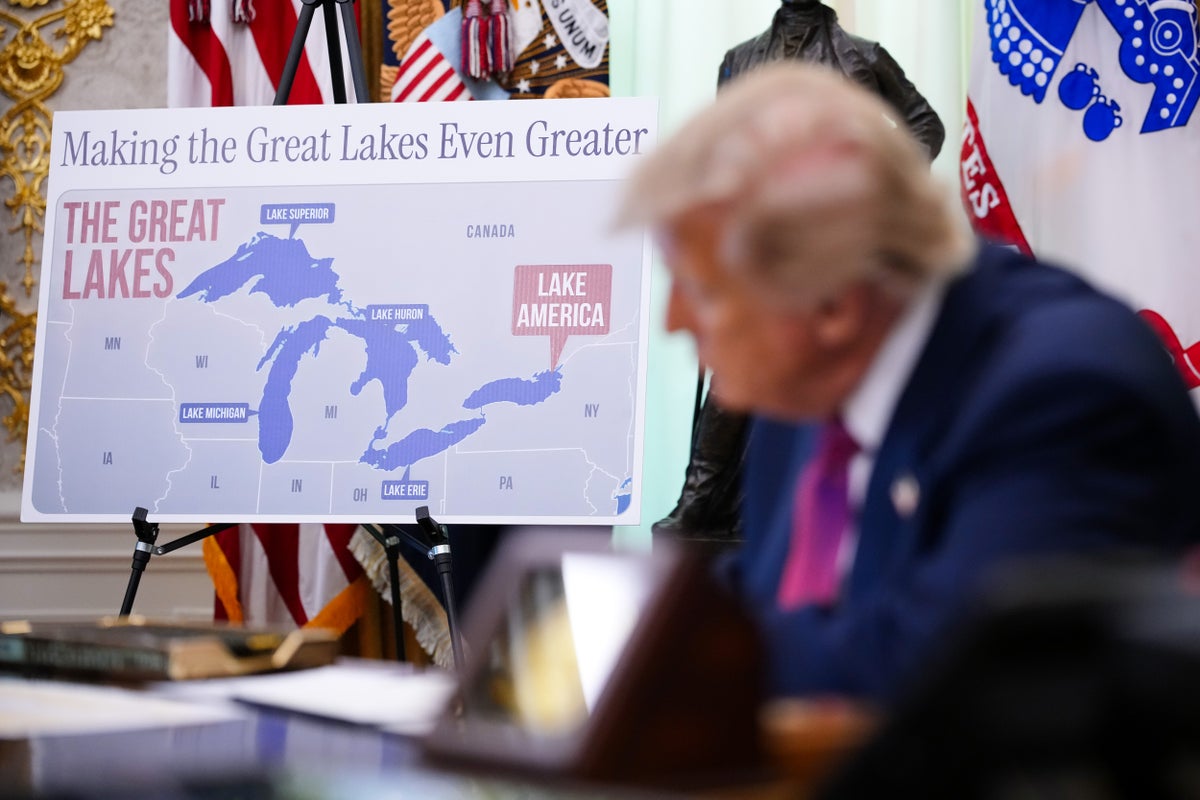
Donald Trump wants America to embrace the massive digital warehouses powering artificial intelligence, warning that communities rejecting them will end up "backwards and poor".
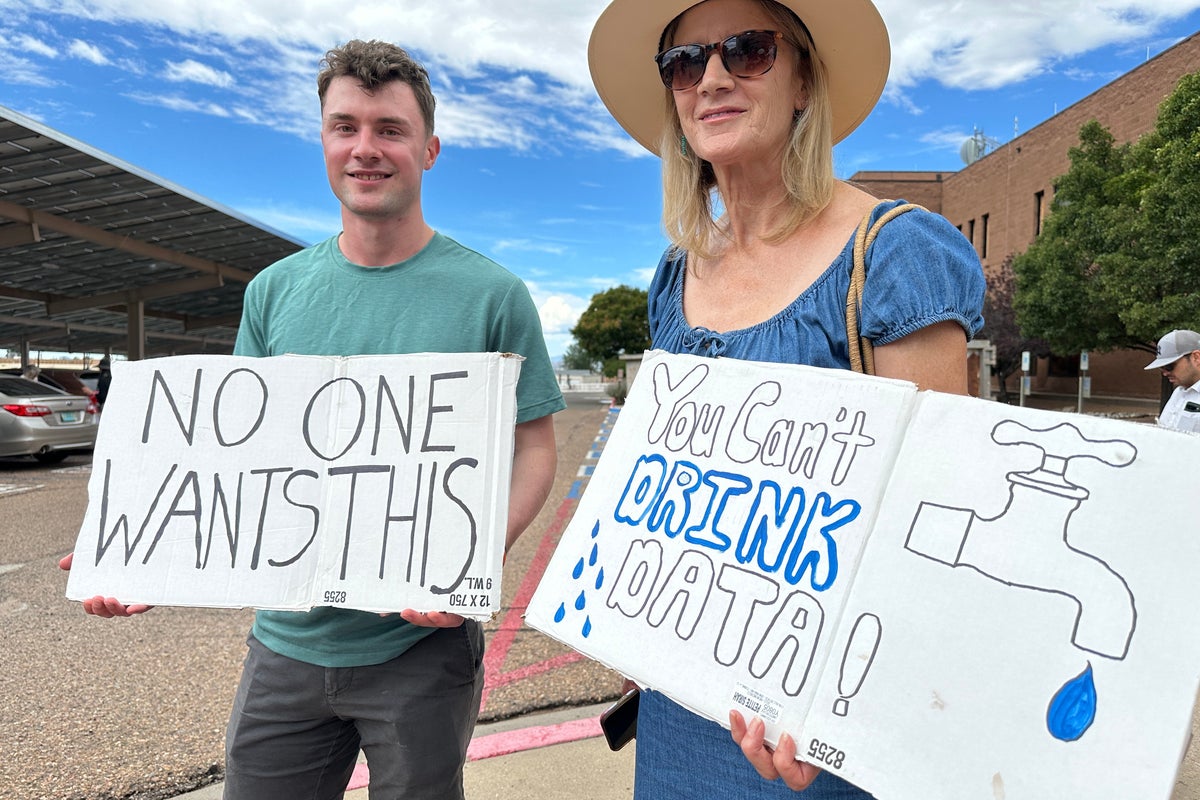
The stakes are massive. As artificial intelligence models demand unprecedented computing power, a fierce culture clash has erupted over infrastructure. On one side stands the White House pushing for rapid expansion to beat global rivals. On the other side sits a growing coalition of local residents, environmental groups, and even conservative politicians pushing back against the massive strain these facilities place on local grids.
If you look past the political posturing, the friction comes down to basic utility economics and local anxiety. Let's break down what is actually driving this nationwide standoff over data centers.
The Real Cost of the AI Boom
Data centers are not quiet neighbors. They require millions of gallons of water daily for cooling and consume electricity on the scale of small cities. When a massive server farm plugs into a rural or suburban power grid, local residents worry about two immediate consequences: rolling brownouts and skyrocketing monthly utility bills.
Recent polling shows that roughly sixty to seventy percent of Americans oppose having a data center built in their local community. That opposition crosses party lines. Even in red states, Republican governors and candidates are feeling the heat from voters who fear getting stuck footing the bill for expensive grid upgrades. Texas regulators have already cracked down on projects seeking connections without guaranteed power supplies, while states like New York have implemented strict freezes or outright moratoriums.
Trump's argument relies on the promise of liquid gold. Tax revenues from these facilities can fund local schools, pave roads, and drop property taxes. Jobs are created during construction, and tech companies frequently promise massive capital investments. Trump framed the choice bluntly on social media, writing that communities should "let Data Reign" unless they want to fall behind. He also warned that if the US strangles its own tech sector, competitors like China will gladly capture the crown.
Finding Middle Ground
The tension between national technological ambition and local livability won't disappear anytime soon. Tech firms are trying to adapt by committing to behind-the-meter generation, meaning they build dedicated power plants—sometimes utilizing nuclear or advanced natural gas—just to keep their servers running without touching public supplies.
If you live in a town targeted for a new server farm, the playbook requires asking hard questions early. Don't rely on generic corporate promises. Demand legally binding agreements on water usage, noise abatement, and explicit ratepayer protections that guarantee your household bills won't inch upward to subsidize tech expansion.
The digital infrastructure race is rewriting local politics across the country. Communities that manage to negotiate strict safeguards can capture the tax windfalls without sacrificing their quality of life. Those that reject every project outright risk losing out on economic shifts they cannot reverse.