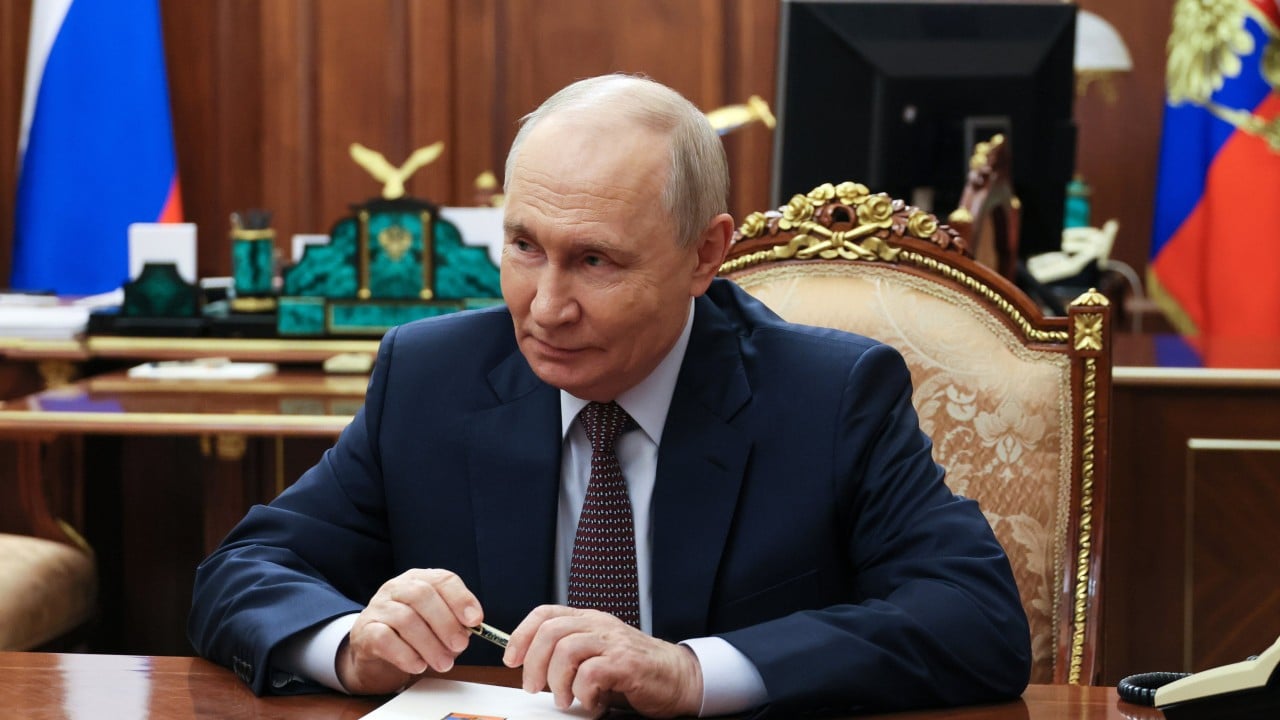
Back-channel diplomacy is theater. When headlines announce that Vladimir Putin is holding talks with a presidential envoy like Steve Witkoff and releasing an American detainee named Hubbard, the consensus reflex is predictable. Pundits call it momentum. Markets twitch. Hopeful analysts start sketching ceasefire maps on napkins.
That reflex is lazy. Worse, it mistakes optics for leverage. For an alternative view, read: this related article.
A high-level meeting between the Kremlin and an emissary from Washington is not a breakthrough. A prisoner release is not goodwill. In great-power bargaining, releasing a detained citizen is a low-cost opening bid designed to buy access, test resolve, and shape narrative coverage before any hard territorial or security concessions are even put on the table.
Anyone watching diplomatic negotiations between Moscow and Washington through the lens of "peace talks" is asking the wrong question. The real question isn't whether the two sides are talking. They have always talked through intermediaries when incentives aligned. The real question is what each side is trying to extract without paying full price—and why celebrating a detainee release as a sign of impending peace misreads how coercive diplomacy actually works. Further insight on the subject has been shared by BBC News.
The Lazy Consensus Around Envoy Diplomacy and Detainee Releases
Conventional commentary loves a neat arc. Step one: an envoy meets the adversary's leader. Step two: a detainee comes home. Step three: a grand settlement takes shape.
History rarely cooperates with neat arcs. Detainee releases in high-stakes geopolitical standoffs operate as tactical instruments, not moral epiphanies or binding peace commitments. When an adversary holds a foreign national, that person functions as leverage—a bargaining chip with zero impact on battlefield balance and high visibility in domestic media. Handing over a detainee costs the detaining power very little in material terms while generating immediate headlines about "movement" and "engagement."
I have spent years watching negotiators, policy teams, and corporate dealmakers get seduced by the warm glow of an early concession. I have seen seasoned operators blow credibility and miss red lines because a counterpart offered a symbolic gesture right before asking for structural concessions. A friendly photo or a released citizen feels like progress. Usually, it is just lubrication.
To understand why these moments mislead so often, it helps to separate three distinct diplomatic concepts that commentators routinely mash together:
- Contact vs. Concession: Sitting in a room or picking up the phone is a channel, not a compromise. Channels exist to clarify demands and probe red lines, not to resolve core disputes.
- Gesture vs. Commitment: A detainee release is reversible in effect and narrow in scope. A ceasefire or security guarantee requires verification, enforcement mechanisms, and mutual risk.
- Tactical De-escalation vs. Strategic Settlement: Pausing friction on one narrow issue can coexist with intensifying pressure everywhere else, including on the front lines.
When coverage treats an envoy meeting plus a prisoner release as proof that a durable settlement is imminent, it skips the hardest part of conflict analysis: incentives. Neither side negotiates out of exhaustion alone if it believes waiting or pushing a little harder might improve its terms.
What People Actually Ask When Envoy Headlines Hit
Whenever news breaks of talks involving an envoy like Witkoff and the release of an American such as Hubbard, search feeds fill up with predictable questions. Most of them rest on shaky assumptions.
Does a meeting with Putin mean a Ukraine peace deal is close? No. Proximity to power is not proximity to peace. Complex territorial, security, and sovereignty disputes rarely unravel in a single round of emissary meetings. Talks can stall for months—or collapse entirely—even when lines of communication stay open.
Why would Moscow release an American citizen right now? Because timing is part of the message. Releasing a detainee during high-profile diplomatic outreach signals willingness to engage on Washington's terms just enough to keep talks alive, while keeping core war aims intact. It also shifts domestic pressure in the United States toward "keeping the channel open" rather than tightening pressure.
Does back-channel diplomacy sideline Kyiv or European allies? It can create serious friction if allies feel blindsided or worry that bilateral optics are outrunning shared security guarantees. Any arrangement affecting Ukraine's sovereignty and long-term security faces massive credibility hurdles if the parties most directly affected view the process as transactional or premature.
The Mechanics of Coercive Bargaining
Serious analysts of international conflict—figures like Thomas Schelling, who dissected coercive diplomacy and bargaining power in classic works such as Arms and Influence, and Robert Jervis, who examined perception and misperception in international politics—emphasized a blunt truth: signals mean little unless backed by credible commitments and aligned incentives.
In bargaining theory, a counterpart will often use low-cost signals to shape expectations before making high-cost demands. Think of it as anchoring the room. By granting a visible request—like freeing a detainee—the stronger or more patient side can try to build goodwill, test the interlocutor's appetite for a deal, and frame any subsequent refusal to budge on core demands as "unreasonable."
Imagine a scenario where a negotiator walks into a high-stakes dispute and immediately hands over a small item the other side cares about deeply, while holding firm on the main asset under contention. The other side feels a surge of relief and momentum. Yet the core dispute—who controls what, under what rules, and with what enforcement—has not moved an inch.
That dynamic explains why headlines about peace talks often outrun reality. Diplomacy is not a linear conveyor belt toward agreement. It is a contest over terms, sequencing, and blame.
Four Traps That Trip Up Observers
When high-profile diplomatic outreach collides with a detainee release, four analytical traps show up again and again:
- Confusing motion with direction. Frequent meetings or high-profile envoys create motion. Direction requires verifiable shifts in core positions, troop posture, or enforcement terms.
- Over-interpreting human-interest wins. Getting an American citizen home is a concrete human outcome for that individual and their family. Treating it as geopolitical proof of a broader peace settlement conflates two completely different scales of reality.
- Ignoring the sequencing problem. In deep distrust, neither side wants to make an irreversible concession first. Without clear verification and phased steps, talks can become a test of patience rather than a path to resolution.
- Underestimating domestic politics on all sides. Every leader and envoy operates inside domestic constraints—constituencies, coalition partners, allies, and media narratives—that shape what can be offered and what must be publicly rejected.
Where This Contrarian View Can Go Wrong
A sharp contrarian take has to earn its credibility by admitting its blind spots. Pushing back against premature optimism does not mean being blind to real inflection points.
There are real risks to leaning too hard into cynicism. First, over-indexing on hardball bargaining can cause an analyst to miss genuine shifts in leverage—economic strain, battlefield attrition, or leadership calculations—that actually force a party to rethink its bottom line. Second, dismissing back-channels outright ignores how many historic off-ramps began quietly before anyone outside the room saw a reason to believe they could succeed.
Third, treating every diplomatic move as pure manipulation can flatten human and tactical realities. Sometimes a detainee release is primarily about removing a recurring bilateral irritant so other conversations can happen without constant distraction. Sometimes an envoy's real job is simply to gather unfiltered information that formal channels filter out.
Admitting those limits matters. Good analysis isn't about sounding tough or cynical for sport. It is about pricing probabilities honestly and refusing to mistake hopeful headlines for settled facts.
How to Read the Next Phase Without Getting Played
If you want to track talks involving Putin, Witkoff, and issues like Ukraine without falling for diplomatic theater, stop grading the process by press releases and start grading it by friction points.
Look at three concrete markers instead of warm rhetoric:
- Watch the sequencing of hard concessions. Are discussions moving from symbolic gestures and general principles to specific, verifiable mechanisms on territory, security guarantees, and compliance? If not, the talks are still in the probing stage.
- Track alignment with frontline and allied realities. A deal that ignores the realities on the ground or fractures key security partnerships usually creates new instability rather than ending a war. Watch whether key stakeholders are integrated into any proposed framework or kept at arm's length.
- Separate humanitarian relief from strategic settlement. Welcome a citizen coming home for what it is, and keep your eyes clear on what remains unresolved. Humanitarian movement does not erase strategic divergence.
Treat envoy meetings and detainee releases as data points, not verdicts. Until hard incentives shift and verifiable commitments take shape, the real negotiation hasn't finished starting.


