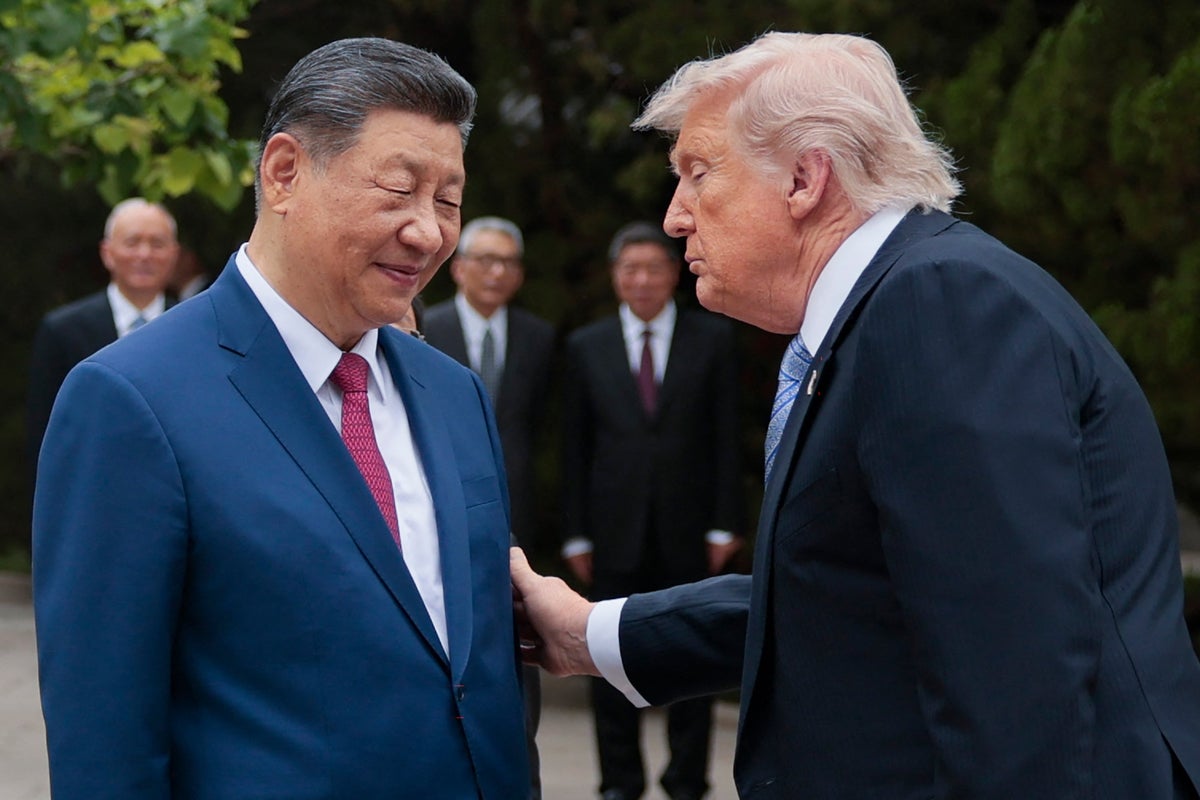
Trade wars usually involve tariffs, quotas, and dry policy papers. Sometimes, they involve dropping a new name on a massive body of water just to twist the knife. Donald Trump just proved he's willing to mix high-stakes economic pressure with a heavy dose of geographic trolling.
The White House is officially giving serious consideration to renaming Lake Ontario as "Lake America". It's a loud, symbolic move designed to sting Ottawa. But behind the headline-grabbing water name change lies a collapsing trade relationship, broken negotiations, and a furious cross-border dispute over everything from automotive manufacturing to the French language.
How a Broken Trade Deal Led to Lake America
Things fell apart late last week when Canadian Prime Minister Mark Carney walked away from high-stakes economic negotiations with Washington. According to Ottawa, the Trump administration pushed last-minute demands that crossed the line, effectively treating Canada like an economic subsidiary rather than an equal sovereign partner.
Trump responded swiftly, threatening a 50% tariff on roughly $20 billion worth of Canadian goods, targeting critical sectors like steel, aluminum, and autos. Then came the digital broadside on social media. Trump announced the potential name change for Lake Ontario, writing that the U.S. doesn't expect to be doing much business with the province of Ontario much longer anyway.
It mirrors his strategy from early in his second term when he moved to rename the Gulf of Mexico to the Gulf of America. While a U.S. president can unilaterally alter geographic names for domestic federal use, it carries zero legal weight in Canada or on international maps. It is pure theater. But in modern geopolitics, theater has real economic consequences.
The French Language Flashpoint
The war of words took a bizarre turn into cultural territory when Carney accused American negotiators of attacking Canadian identity. During a press conference in Quebec, Carney stated that U.S. teams viewed French-language protections, online streaming rules, and cultural content laws as unacceptable trade irritants.
For Quebec and the broader francophone community, those rules aren't negotiable bargaining chips. They are foundational rights. U.S. trade reports have previously targeted rules like Quebec's Bill 109, which forces streaming giants to promote local French content.
Trump hit back immediately online, flatly denying that he had ever targeted the French language. He insisted he would never interfere with Canadians speaking French, calling the accusation a fabricated lie from a struggling prime minister. He wrapped up his denial with a characteristic flourish: "I love French Canadians!"
Despite the affection, the damage to the negotiation table is already done. Canada is preparing retaliatory measures, and supply chains linking Detroit and Ontario are bracing for severe turbulence.
What This Means for Cross-Border Business
Tit-for-tat tariffs hurt real people. Manufacturers on both sides of the border rely on seamless, frictionless crossings for auto parts and raw materials. When politicians start treating shared lakes like political billboards, supply chain planners get nervous.
Carney has signaled that Canada won't just match American tariffs dollar-for-dollar this time around. Instead, Ottawa is eyeing targeted measures designed to shield vulnerable Canadian workers. Meanwhile, businesses in Michigan and New York are left trying to model worst-case cost scenarios while politicians trade insults online.
You can't pay your suppliers with a renamed lake. As retaliatory tariffs lock into place, manufacturing hubs will bear the immediate financial weight of this diplomatic breakdown. Expect higher consumer prices, delayed shipments, and a prolonged standoff that goes far beyond a simple map edit.