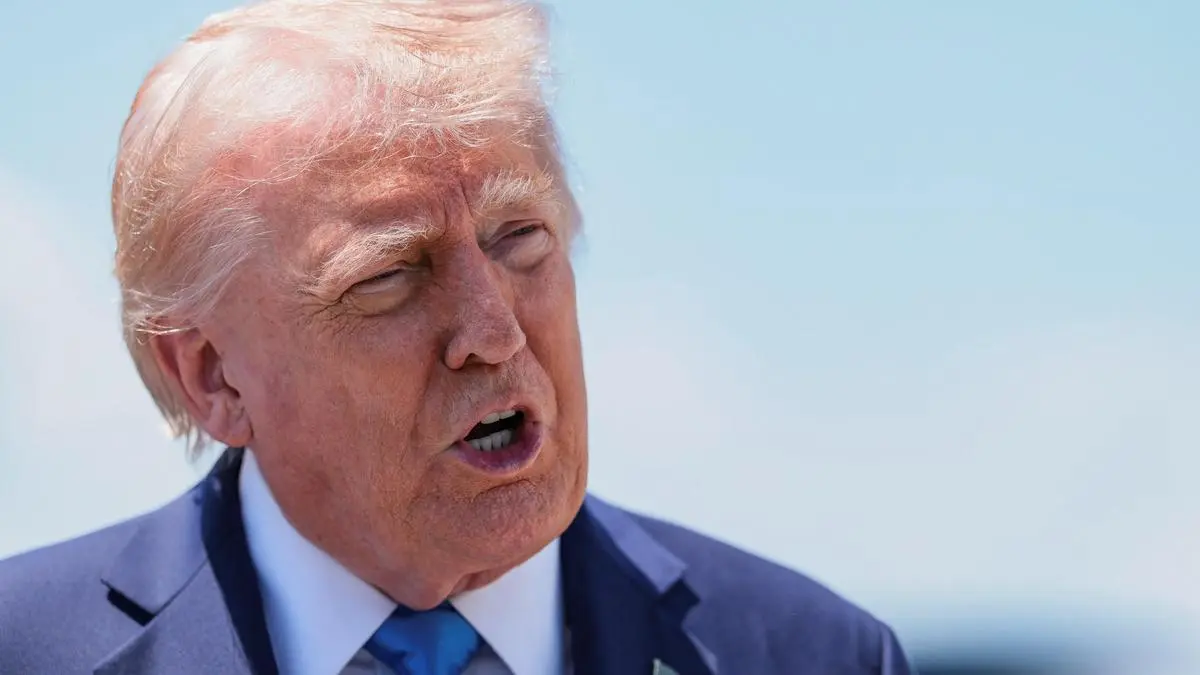
Donald Trump just proved once again that he’s not interested in the traditional rules of diplomacy. On Saturday, he spiked a high-stakes trip to Pakistan that was supposed to bring US and Iranian negotiators together. But here’s the kicker: he says that exactly ten minutes after he pulled the plug, Tehran came back with a "much better" offer.
If you’re looking for a textbook case of how Trump uses leverage, this is it. He didn't just cancel a meeting; he sent a clear message that the US isn't going to chase Iran across the globe just to look at weak proposals.
The Ten Minute Pivot
The plan was for Jared Kushner and Steve Witkoff to fly to Islamabad. They were going to meet with mediators to see if there was any real movement on a nuclear deal. Instead, Trump called it off, citing "too much time wasted on traveling" and a lack of direct access to the people actually making decisions in Tehran.
Basically, he told them his team isn't going to sit in a plane for 15 hours just to be handed a "paper that could have been better."
Then came the scramble. According to Trump, as soon as the cancellation hit the wires, a new document appeared. He told reporters in Florida that this second offer was "much better" and showed that the Iranians are "offering a lot."
It’s a classic power move. By walking away, he forced their hand. It shows that despite the tough talk from Iranian Foreign Minister Abbas Araghchi—who spent his time in Pakistan meeting with Prime Minister Shehbaz Sharif and army chief Asim Munir—Tehran is feeling the heat.
Why the Pakistan Trip Failed Before it Started
You have to look at the logistics to understand why Trump got annoyed. Araghchi was in Islamabad, but he was playing hard to get. He publicly stated he wouldn't meet directly with the US envoys. He wanted to keep everything indirect, using Pakistan as a middleman.
Trump clearly wasn't having it. He’s made it obvious that he wants to deal with the "leader of the country," not a rotating cast of diplomats who might not even have the authority to sign a napkin. He even took to Truth Social to claim there’s "tremendous infighting" within the Iranian leadership, saying nobody there knows who’s in charge.
Whether that's 100% accurate or just part of the negotiation theater doesn't really matter. The result is the same: the US is standing its ground while a naval blockade continues to squeeze Iran’s economy.
What’s Actually on the Table
While we don't have the specific text of the "better" offer yet, the core demands haven't shifted. Trump has been blunt: Iran will not have a nuclear weapon. Period.
Earlier rounds of talks in Muscat and Rome during 2025 laid out some of the groundwork. We’ve seen mentions of:
- Redesigning the Arak heavy water reactor.
- Cutting the number of centrifuges by two-thirds.
- Limiting uranium enrichment to civilian levels (3.67%).
- Potential freezes on the activities of regional groups like Hezbollah and the Houthis.
But the 2026 reality is a lot more tense. The ceasefire that went into effect on April 17 is already looking shaky. Israel has been striking targets in Lebanon again, and the US Navy is currently under orders to intercept any boats attempting to mine the Strait of Hormuz.
The Game of Telephone
Trump’s new strategy is basically: "Don't call us, we'll... well, actually, you call us."
He’s signaled that he’s done with the grand summits and the international roadshows for now. "We will deal by telephone and they can call us anytime they want," he said before boarding Air Force One. It’s a way of stripping away the prestige of formal diplomacy and treating the whole thing like a business transaction.
He’s betting that the combination of secondary sanctions and the naval blockade will eventually make the phone ring with an offer he can't refuse.
What Happens Next
If you're watching the markets or the news for a sudden breakthrough, don't hold your breath. This is going to be a grind. Here’s what to look for over the next few weeks:
- The "Snapback" Clock: European powers (the E3) are still hovering over the "snapback" button to reinstate UN sanctions. If no progress happens by October, that hammer drops.
- Direct Communication: Watch for any confirmation of a direct line between the White House and Tehran. Trump likes the one-on-one approach.
- Regional Fallout: Keep an eye on the Israel-Hezbollah border. If that ceasefire collapses completely, any nuclear deal with Iran becomes ten times harder to sell.
The ball is entirely in Tehran's court now. They know the US team isn't going to fly halfway around the world for a mediocre proposal. If they want the blockade lifted, they're going to have to pick up the phone and offer something definitive.