American politicians usually don't care about foreign copyright laws when they want to make a viral splash. But a bizarre online stunt has crossed a line that Japanese fans and creators simply aren't willing to ignore.
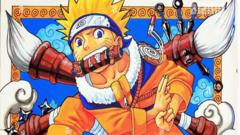
The internet went wild when an AI-generated video popped up on Truth Social showing US President Donald Trump dressed as Naruto Uzumaki, the iconic orange-and-black clad ninja. The clip featured Trump pulling off classic ninjutsu moves to frame himself as an unstoppable political hero. While it might have looked like just another piece of weird internet meme culture to US voters, it triggered an immediate, furious reaction across the Pacific.
This isn't a minor culture clash. It's a massive headache involving international diplomacy, copyright outrage, and a rapidly growing petition signed by nearly 20,000 Japanese citizens.
The Naruto Video Was the Last Straw
If you think this is just a bunch of overly sensitive internet users getting mad about a meme, you're missing the bigger picture. Japanese fans treat manga and anime as modern folklore. These stories built their global reputation on ideas like friendship, non-violent resolution where possible, and fighting against oppression. Seeing those exact characters weaponized for aggressive nationalist politics feels like a gut punch to the community.
The Naruto video dropped on June 6, and within days, a massive backlash exploded on Japanese social media. A group immediately reopened an online petition called "Protect Japanese Manga" on Change.org. By June 10, the petition aggressively racked up close to 20,000 signatures from people demanding that foreign politicians stop hijacking their cultural icons.
This isn't even the first time the current administration pulled a stunt like this. Back in March, the official White House social media account on X posted a bizarre video highlighting US military operations and airstrikes against Iran. That video blended real military footage with clips directly lifted from the trading card anime Yu-Gi-Oh!.
The creators of Yu-Gi-Oh! were furious. They quickly put out an official statement confirming they gave zero permission for their intellectual property to be used. They explicitly stated they had no involvement with the post.
Japan's Government Had to Step In
The biggest mistake western commentators make is assuming that Japan just laughs off these weird internet edits. They don't. The backlash grew so intense after the March incident that it actually triggered a minor diplomatic incident.
Organizers of the current petition took the issue straight to the Japanese parliament. They presented the data directly to the Cabinet Office, which looped in the Ministry of Foreign Affairs and the Agency for Cultural Affairs.
Eventually, the Ministry of Foreign Affairs took the formal step of issuing an official request to the US Embassy in Japan. They openly flagged the unauthorized use of Yu-Gi-Oh! and Nintendo properties on official White House accounts. When a country's foreign ministry has to lecture an ally about using anime to hype up military strikes, the situation has officially evolved past harmless meme culture.
Why Fans and Creators Are Actually Terrified
The creators of the petition have been very clear about one thing. They aren't trying to destroy the concept of fan fiction, parody, or casual internet art. The real danger here comes from the massive power imbalance when a foreign head of state uses official artwork for political propaganda.
- Association with real-world violence: Mixing characters meant for children and young adults with videos of real bombs dropping on real countries ruins the branding of the franchise.
- The threat of state-sponsored copyright abuse: If an average creator gets hit with a copyright strike, they lose their video. When the person infringing on the copyright is the President of the United States, Japanese media companies have very little legal recourse to actually enforce their intellectual property rights.
- Misrepresenting the author's intent: Major manga artists spent decades carefully cultivating messages of peace and global unity. Seeing their work twisted into a tool for localized political tribalism completely destroys that legacy.
What Happens Next
If you love anime or follow global politics, you need to watch how this plays out. This isn't going away quietly. Japanese studios are notoriously protective of their copyrights, and their patience with Western political campaigns running roughshod over their properties has completely run out.
For a long time, Western political teams assumed that the internet was a lawless playground where any pop culture asset could be stolen for a quick engagement boost. That era is ending.
If you want to support the creators who actually make these shows, you can track the progress of the "Protect Japanese Manga" campaign online. Pay attention to how international copyright laws get updated to deal with AI-generated political ads. The next time a campaign tries to slide an unauthorized anime edit onto your timeline, drop a comment pointing out exactly why the creators of that show want nothing to do with it.