Donald Trump wanted a historic diplomatic victory for his 80th birthday. Instead, he got smoke rising over Lebanon and a furious back-and-forth with his closest Middle Eastern ally.
The U.S. president spent Saturday boasting that a comprehensive peace deal to end the U.S.-Iran war would be signed by Sunday evening. The proposed agreement promised to extend the April ceasefire, reopen the blockaded Strait of Hormuz, and establish a framework for nuclear talks. Then, Sunday morning, Israeli jets struck the Dahiyeh suburbs of Beirut.
Trump did not hide his rage. Taking to Truth Social, he blasted the operation, stating it "should not have happened." He went even further in a raw conversation with Israel's Channel 12, reportedly saying, "Bibi has no f***ing discretion."
This public rift exposes a massive disconnect between Washington's transactional foreign policy and Jerusalem's existential security calculations. Trump is chasing a legacy-defining regional truce before the upcoming U.S. midterm elections. Israeli Prime Minister Benjamin Netanyahu is focused on a different reality altogether.
The Strike That Derailed a Birthday Peace Deal
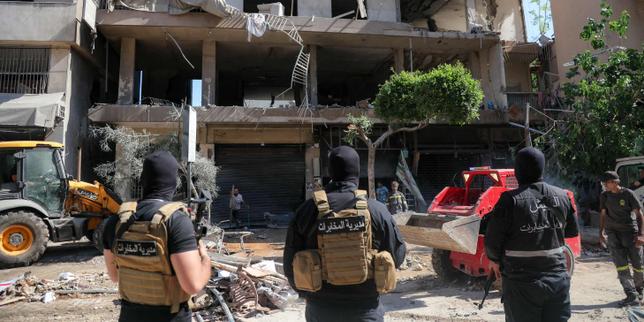
The Israel Defense Forces (IDF) hit an apartment building in the Ghobeiry neighborhood of southern Beirut. According to Lebanon's National News Agency, the raid killed at least three people and wounded 15 others.
Jerusalem insists the operation was a necessary response. Netanyahu and Defense Minister Israel Katz issued a joint statement making their position clear. "Israel will not tolerate fire directed at its territory," they said. The IDF stated the target was a Hezbollah command center used to coordinate drone and missile operations against northern Israel earlier that morning.
Trump viewed the situation through a completely different lens. He openly minimized the threat Israel faced, calling the initial Hezbollah drone launch "very small and meaningless."
"Nobody was hurt, injured, or killed," Trump posted on Truth Social. "Hezbollah fired and hit the middle of nowhere... And then he has to f***ing attack, and in Beirut. That made me very angry."
For Trump, Netanyahu's response was an unnecessary provocation that threatened a delicate diplomatic breakthrough. The U.S. president is convinced that a broader agreement with Tehran would naturally pacify proxies like Hezbollah. Netanyahu, however, refuses to let tactical threats go unanswered, even if it disrupts Washington's diplomatic timeline.
Tehran Backs Away from the Table
The timing of the Beirut bombing could not have been worse for American negotiators. Qatari mediators were literally on the ground in Tehran attempting to finalize the memorandum of understanding. Pakistani Prime Minister Shehbaz Sharif had hinted at an "electronic signing" within 24 hours.
The Israeli jets effectively shattered that momentum. Iranian officials immediately seized on the attack to question American authority and sincerity. Mohammad Bagher Ghalibaf, Iran’s chief negotiator, blasted the strike on social media. He claimed the incursion proved the U.S. either lacks the will or the capability to enforce its commitments.
Iranian security officials quickly declared Lebanon a "red line" and warned that the operation would not go unpunished. While sources in Tehran suggest Iran may rely on its regional proxies rather than launching a direct military retaliation, the political damage to the peace talks is already done. The Iranian state-backed Fars news agency clarified that no deal would be signed under the current conditions.
What Washington Offered Iran
The scale of the deal Trump is trying to save is immense. The U.S.-Iran conflict, which escalated dramatically after joint U.S.-Israeli operations began over 100 days ago, has hammered global energy markets.
Trump needs a win. Reopening the Strait of Hormuz is a massive domestic priority to lower American fuel prices before voters head to the polls. The draft agreement includes significant concessions:
- A 60-Day Oil Waiver: The U.S. would allow Iran to sell oil globally for the duration of a renewed ceasefire.
- Phased Sanctions Relief: Tehran would get access to billions in frozen overseas assets, conditional on progress in subsequent nuclear negotiations.
- Hormuz Demining: Iranian forces would spend 30 days clearing maritime mines to restore global shipping traffic.
U.S. officials, including UN Ambassador Mike Waltz, claim Trump still intends to push the deal through. Yet, they acknowledge that the Iranians are incredibly difficult negotiators who are struggling to get direct guidance from Supreme Leader Ali Khamenei. Netanyahu's sudden escalation gave Iranian hardliners the perfect excuse to stall.
Jerusalem Sidelined by Trump’s Inner Circle
The real root of the anger in Jerusalem stems from how these peace talks have been handled. The negotiations, quietly hosted in Islamabad under Pakistani mediation, have largely sidelined the Israeli government.
Israeli intelligence feels the current draft of the U.S.-Iran deal fails to address the immediate threat on their northern border. They view Trump’s willingness to grant Iran oil waivers as a strategic blunder that will ultimately fund Hezbollah’s arsenal.
An Israeli source confirmed to CNN that Jerusalem did notify Washington right before the Beirut strike. They knew it might trigger an Iranian ballistic missile response, and the IDF chief of staff is already preparing for incoming fire. By striking anyway, Netanyahu sent a definitive message to the White House: Israel will manage its own security boundaries, regardless of Trump's diplomatic ambitions.
If you are tracking this conflict, watch the Strait of Hormuz shipping data over the next 48 hours. If tanker insurance rates spike or shipments slow, it means the Islamabad talks have completely stalled. Keep an eye on IDF troop movements near the Blue Line. If Israel shifts heavy artillery north, the temporary April ceasefire is effectively dead, no matter what Trump posts on social media.