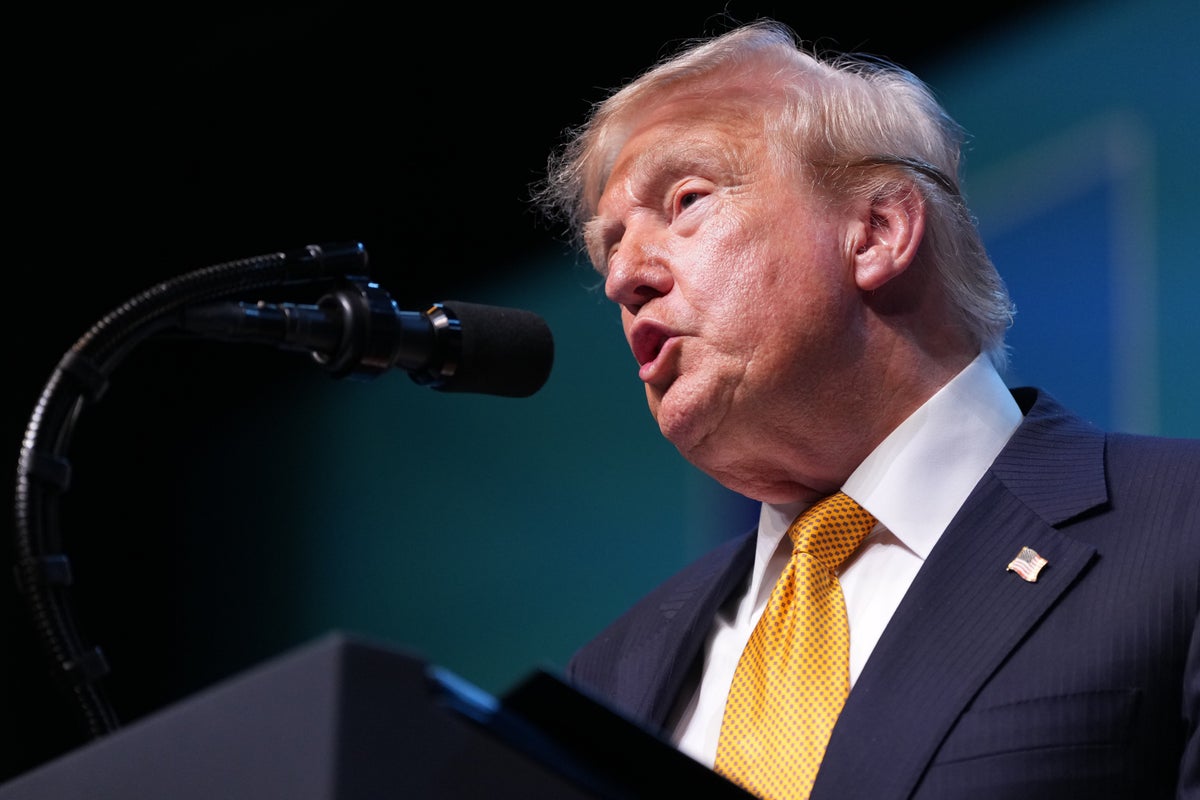
Donald Trump just did it again. During a press availability at the NATO summit in Turkey, a reporter from MS Now stood up to ask a perfectly standard foreign policy question. Instead of answering it, Trump shifted the spotlight back to his favorite target: the press.
"MS Now, that's a failing network," Trump said, cutting off the query before it could even land. Then came the kicker. "Why would you want to work for them? MS Now, can you imagine?"
It’s classic political theater. Instead of a deep policy debate about the fracturing ceasefire with Iran, the headline instantly became a personal roast of a broadcast reporter. If you feel like you’ve watched this exact movie a hundred times before, it’s because you have. Trump has spent the last decade perfecting the art of turning tough questions into a referendum on the person holding the microphone.
The Playbook of Media Dismissal
This isn't a random outburst. It is a highly deliberate communication strategy. By labeling MS Now a "failing network" and publicly questioning the career choices of its staff, Trump shifts the dynamic from a public official being held accountable to an outsider calling out an institutional failure.
Look at how this functions on a deeper level. When a reporter asks a difficult question about international relations, answering it directly carries risk. If Trump explains the breakdown of the interim deal with Iran, he has to defend complex geopolitical maneuvers. But if he attacks the network asking the question, the substance of the question disappears entirely.
We saw a variation of this just days earlier when he spoke to Republicans at the Capitol about his latest legislative push. A reporter from NOTUS asked a question about internal party dissent. Trump's response? "Who do you work for? What? I don't even know what the hell that is. Get yourself a real job."
The mechanism is identical. It doesn't matter if the outlet is a legacy cable network like MS Now or an emerging digital publication like NOTUS. The goal is to delegitimize the source, making the audience question the validity of the question itself.
Why This Rhetoric Dominates the Headlines
Mainstream political coverage often treats these moments as shocking deviations from protocol. But that reaction misses the point entirely. Trump knows exactly how the modern media ecosystem operates.
- The Outrage Cycle: High-profile verbal clashes drive massive digital engagement. Legacy networks, independent blogs, and social feeds will clip the interaction, debate the decorum, and ensure the clip goes viral.
- Base Reinforcement: For Trump’s loyal supporters, these interactions are proof of a leader who refuses to bow to what they perceive as a hostile media establishment.
- Subject Diversion: It successfully steers the public conversation away from complex policy challenges—like the latest escalating military tensions or international disputes—and anchors it in the familiar territory of cultural warfare.
When the media spends three days analyzing whether it’s appropriate for a president to tell a journalist to get a "real job," they aren't spending those three days analyzing the fine print of federal policy or international treaties.
Moving Beyond the Decorum Debate
If you're tracking political media strategy, the real takeaway here isn't about politeness. It's about efficacy. For years, critics argued that constant attacks on the press would alienate moderate voters or erode political capital. The reality has proven far more complicated.
Political journalists have to adapt to an environment where their institutional credibility isn't just questioned—it's actively weaponized against them during live broadcasts. Outlets that lean into the conflict often see short-term traffic spikes, while those that attempt to maintain traditional neutrality find themselves struggling to control the narrative.
The next time a major press conference derails into a debate over an outlet's ratings or a journalist's career path, ignore the theatrical outrage. Look at the question that was asked right before the pivot. That's usually where the real story lives.
To navigate this media environment without getting bogged down in the theater, focus your attention on concrete policy developments and legislative text rather than the live-broadcast spats. Track the actual policy rollouts from the White House and compare the official transcripts against independent international reporting to see what is happening behind the curtain.