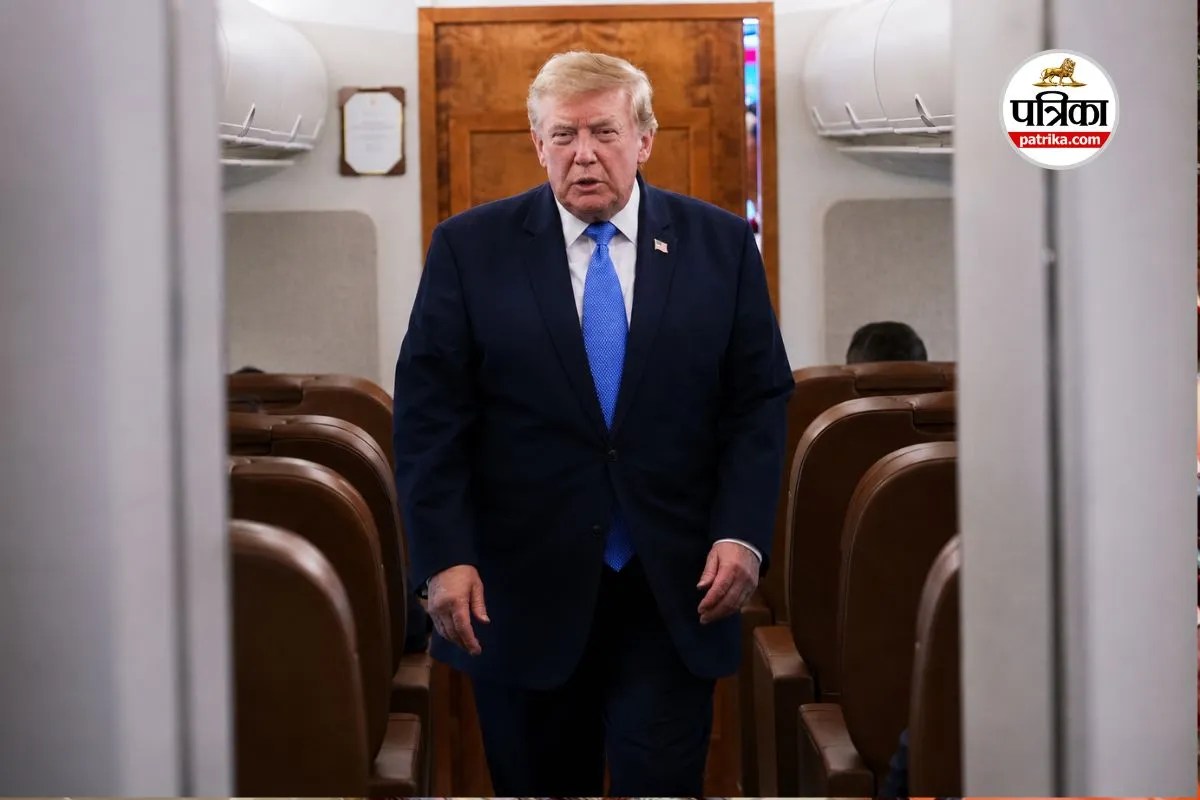
The media is hyperventilating again. Headlines across the globe are screaming about Donald Trump threatening to bomb Oman, painting it as the latest outburst from a leader untethered from diplomatic norms. They call it erratic. They call it dangerous.
They are dead wrong. Also making news recently: The Night the Sky Burned Over Erbil And Why the Silence After Was Worse.
What you are witnessing is not a tantrum; it is the blunt-force recalibration of a geopolitical stalemate that has lasted for six agonizing months. The consensus among the pundit class is that Oman is a neutral, friendly mediator being bullied by an irrational White House. This view is intellectually lazy. It ignores the reality of the Strait of Hormuz—the world’s most critical energy artery—and the fact that neutrality in a global chokepoint is a luxury the United States can no longer afford to subsidize.
The Myth of Neutrality
For decades, we have operated under the assumption that Oman is the "Switzerland of the Middle East." It is a convenient label for diplomats who want to keep backchannels open. But look at the scoreboard. Since the conflict began in February, the Strait of Hormuz has been effectively shuttered, strangling global energy supplies. While the world burns, Oman has been busy playing both sides, attempting to broker deals that keep Iranian influence firmly entrenched in the waterway. Additional insights on this are covered by The Guardian.
When Trump warns that Oman must "behave" or face the consequences, he isn't just venting. He is signaling the end of the era where the U.S. Navy secures the seas while regional actors negotiate the terms of our retreat.
Imagine a scenario where the U.S. continues to play by the Marquess of Queensberry rules while our adversaries build a new administrative reality for global shipping. If Oman signs a deal with Tehran that grants Iran de facto control over the transit maps, they aren't mediating peace; they are formalizing the erosion of American maritime dominance. Trump’s threat is a high-stakes move to break that specific link. He is essentially saying: "If you want to be the broker, fine. But if you try to broker away our interests, you become part of the target set."
Diplomacy is a Commodity
There is a fundamental misunderstanding of power dynamics at play. The mainstream critique suggests that Trump’s language alienates partners. It assumes that "partnership" is a permanent state. In reality, in the theater of high-stakes conflict, partnership is transactional.
I have seen companies and administrations fail by clinging to the idea that past relationships dictate future compliance. They treat their "traditional partners" as fixed assets. Trump treats them as variables. By threatening a country as traditionally stable as Oman, he has destroyed the local belief that they can hide behind a diplomatic shield while working against U.S. objectives.
Is this approach risky? Absolutely. It forces a wedge between Washington and Muscat that might not be easily repaired. But compare that risk to the alternative: a slow-motion surrender of the Strait of Hormuz, where the U.S. maintains the physical presence of its fleet but loses the authority to dictate who passes through. That is not a "peace process." That is a slow-motion defeat.
The Poker Game You Cannot See
Trump mentioned that Iranian negotiators are "good poker players." People heard an insult; they should have heard an assessment of the battlefield. Iran has been betting that the U.S. lacks the stomach to threaten the intermediaries. They believe that by wrapping their control over the strait in a thin layer of "Omani mediation," they can bypass the blockade without actually surrendering their leverage.
The threat to Oman is the direct counter-play. It rips the mask off the negotiations. If the deal between Iran and Oman is truly just about "transit maps" and "shipping routes," why should the U.S. care? Because the U.S. knows that in this region, technical arrangements are political weapons. By threatening to bomb the transit infrastructure if it is used to circumvent the blockade, Trump is forcing Iran to deal with him directly, removing the Omani buffer.
Action Over Optics
You don't have to like the rhetoric to appreciate the math. Global energy prices are spiking. Six months of "negotiations" have produced nothing but higher costs for the American taxpayer and a stalled war machine.
The critics want a calm, measured, polite response. They want more memos, more 60-day windows, and more "dialogue." But dialogue only works when there is a mutual interest in resolving the status quo. Iran’s interest is in keeping the pressure on the U.S. and its partners.
Trump’s move is ugly, sharp, and undeniably effective at seizing the narrative. He is reminding the world that the U.S. is not a bystander in the Strait of Hormuz. We are the architects of its openness. If you aren't with us in keeping that corridor open, you are an obstacle to the global economy.
The next time you read about an "outrageous" statement from the White House, stop looking for the offense. Look for the board position. The noise is the signal. Trump isn't threatening to bomb Oman because he is angry. He is threatening to bomb Oman because he is the only one at the table who realizes the game is rigged and is finally willing to flip the board.
The negotiations are over. The power play has begun.


