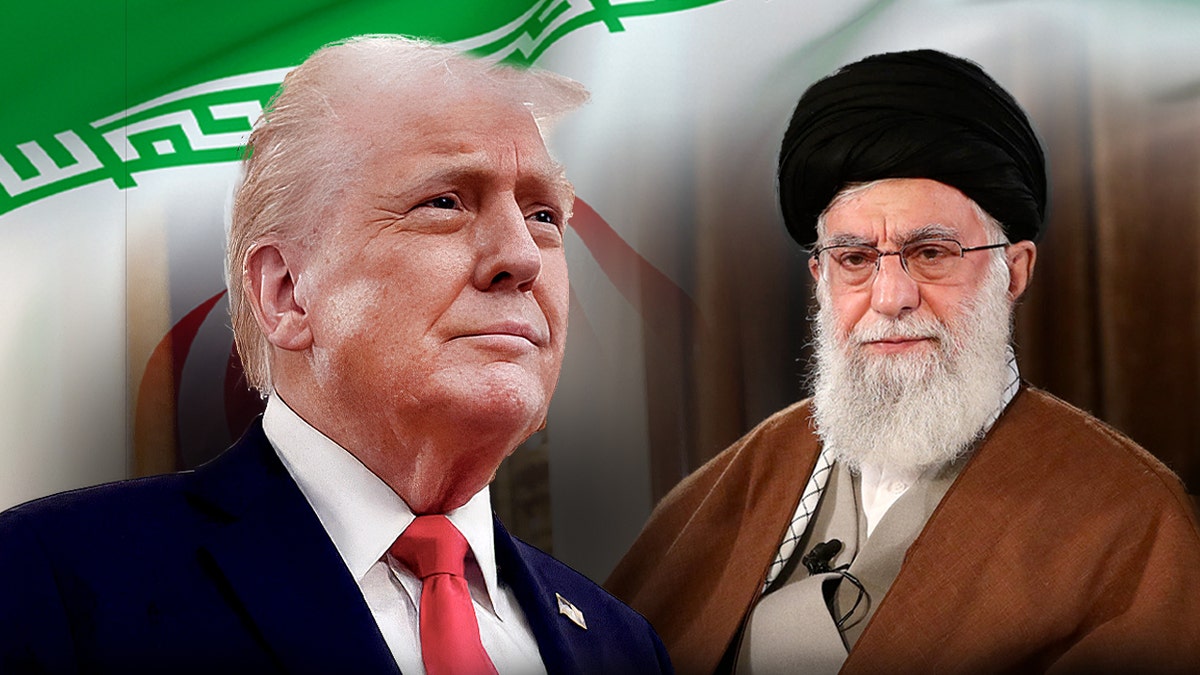
Your wallet is feeling the squeeze, and there’s no point pretending otherwise. If you’ve filled up your tank in the last few days, you’ve seen the numbers. National averages are hovering around $4.26 a gallon, and in some spots, you’re looking at $8 or more. It’s painful. But if you ask the White House, this is exactly how a "win" looks.
President Trump recently described the ongoing naval blockade of Iran as "incredible." It’s a bold choice of words when the price of Brent crude is sitting at a four-year high of $124.54 a barrel. The logic here is pretty simple, even if it’s harsh. The administration has pivoted away from dropping bombs and moved toward economic strangulation. They’re betting that by keeping Iranian oil off the market and choking their economy, they’ll force a nuclear deal that actually sticks.
But for you, the person just trying to get to work, that "incredible" blockade feels like a tax you never voted for.
The logic behind the squeeze
The blockade isn’t just about stopping a few tankers. It’s a total shutdown. Since mid-April 2026, the U.S. has been intercepting almost everything trying to reach Iranian ports. Trump’s view is that Iran is currently "choking like a stuffed pig." He’s not interested in a quick fix or a half-baked ceasefire that lets them keep their nuclear program.
During a recent meeting with oil executives, the message was clear. The blockade is going to stay for months if needed. The goal is to make the cost of resistance higher for Tehran than the cost of surrendering their nuclear ambitions.
While it’s easy to focus on the naval maneuvers in the Persian Gulf, the real battle is happening at your local pump. The Strait of Hormuz, which usually handles about 20% of the world’s oil, is effectively a ghost town. Shipping traffic has collapsed to just 5% of what it was before the conflict started. When you take that much supply out of the global system, prices don’t just rise—they skyrocket.
What experts are saying about the $190 barrel
Oxford Economics put out a warning that should make everyone nervous. If the Strait stays closed for six months, we could see oil hit $190 a barrel by August. We aren’t there yet, but we’re on the path.
The U.S. is in a weird spot. We produce a lot of our own energy, which buffers us a bit, but we aren't an island. Global markets set the price. When Asia and Europe are desperate for fuel because their Qatari LNG and Middle Eastern crude are cut off, they’ll pay anything. That drives the price up for everyone, including you.
- The Cost of War: The Pentagon has already spent about $25 billion on these operations.
- The Food Connection: It’s not just gas. The Strait is a hub for the global fertilizer trade. High fuel and fertilizer costs mean your grocery bill is about to follow your gas bill upward.
- The Iranian Response: Tehran isn't just sitting there. They’ve demanded a total end to hostilities and the lifting of sanctions before they’ll even talk.
Gas tax holidays and political band-aids
There’s a lot of talk in Washington about a "gasoline tax holiday." Senators like Mark Kelly and Richard Blumenthal are pushing the Gas Prices Relief Act of 2026 to suspend the federal gas tax until October. It sounds great on a bumper sticker, but it’s basically a drop in the bucket.
Suspending the tax might save you 18 cents a gallon, but when the price has jumped 30 cents in a single week, you barely notice the difference. It’s a political move to show "action" while the real driver—the blockade—continues to push prices higher.
Why this time is different from 2022
Some people compare this to the early days of the Ukraine war. Back then, prices spiked but eventually leveled out as markets adjusted. This feels different. In 2022, the oil was still flowing, just through different pipes. Right now, the oil is literally trapped.
Iran has developed what some call a "hardened resistance." They’ve lived under sanctions for decades. They’re used to the pain. The question is whether the American consumer is as tough. Trump is betting that his "No More Mr. Nice Guy" approach will break Iran before the high gas prices break his support at home.
The administration’s strategy is a high-stakes game of chicken. They believe that internal divisions in Iran are growing and that the IRGC is losing its grip. By doubling down on the blockade, they’re trying to force a collapse from within.
Moving forward in a high-cost environment
Don't expect a sudden drop in prices tomorrow. The administration has told Americans to expect higher costs for "a little while." In "Trump-speak," that usually means as long as it takes to get the deal he wants.
If you're looking for ways to manage this, start by looking at your local options. Some states like Georgia and Indiana have already implemented their own tax holidays. Keep an eye on the "Gasoline Tax Holiday" legislation in Congress—it might provide a small reprieve, but it won't fix the underlying supply issue.
Check your tire pressure and avoid aggressive driving. It sounds like old-school advice, but when gas is $5 or $6, every little bit of efficiency counts. Most importantly, brace for the long haul. This isn't a weekend skirmish; it's a fundamental shift in how the U.S. is handling the Middle East, and we're all paying the entrance fee at the pump.



