The standoff in the Persian Gulf isn't cooling down. When Tehran floated a seven-day timeline to reopen the vital Strait of Hormuz in exchange for immediate sanctions relief and the lifting of naval blockades, Washington didn't bite. President Donald Trump dismissed the terms outright, stating bluntly that while he wants a deal, Iran's conditions simply don't cut it.
If you've been tracking global energy markets or following the aftermath of the military escalations earlier this year, you already know how much weight this narrow waterway carries. Roughly a fifth of the world's petroleum supply depends on clear passage through these waters. When Iran effectively choked off commercial shipping, global supply chains felt the immediate shock. Now, with both sides locked in a high-stakes game of economic and military friction, understanding why this latest proposal collapsed reveals a lot about how modern geopolitical leverage actually works. You might also find this connected coverage useful: Why Trump Just Slammed the Door on Iran and the Strait of Hormuz.
What Iran Actually Proposed
The proposal brought forward by Iranian diplomats wasn't drafted in a vacuum. It heavily mirrored elements of a previous memorandum of understanding. Tehran essentially offered a quid pro quo:
- Lift the U.S. naval blockade targeting Iranian ports.
- Waive crushing sanctions on Iranian oil sales.
- Observe a broad regional ceasefire.
- In return, normal maritime traffic through the Strait of Hormuz would resume within a week, accompanied by renewed discussions over nuclear monitoring.
On paper, it sounds like a straightforward diplomatic exit ramp. So why did the White House reject it so quickly? As extensively documented in latest articles by TIME, the implications are significant.
The White House Perspective on Leverage
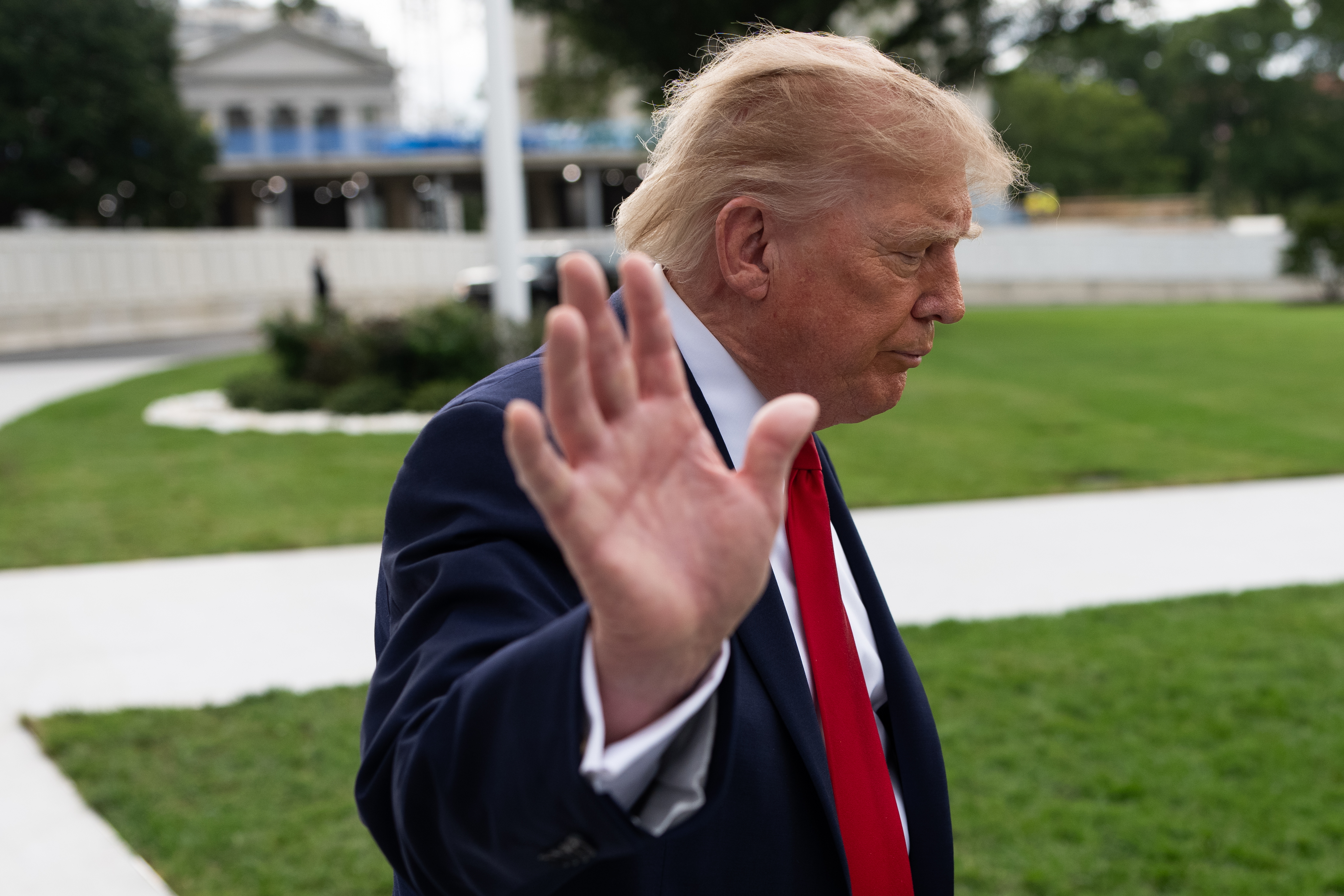
Trump's response was characteristic. Speaking to reporters before leaving Washington, he made it clear that Tehran is trying to negotiate from a position of weakness because their economy is suffering under severe inflation and mounting pressure. From the administration's viewpoint, accepting a deal that offers immediate sanctions relief without ironclad guarantees or structural concessions amounts to giving away valuable leverage for free.
Secretary of State Marco Rubio echoed this stance, noting that several Iranian demands are unrealistic and ignore the military reality on the ground. Washington maintains that its counter-blockade and ongoing military posture are necessary to permanently curb regional proxy threats and dismantle remaining illicit infrastructure. Administration officials argue that easing pressure prematurely would only invite a repeat of past cycles.
The Cost of a Permanent Standoff
Keeping the Persian Gulf in a state of suspended animation comes with a heavy price tag. Neighboring Gulf states face continuous trade disruptions, heightened security costs, and persistent airspace tensions. Commercial vessels navigating the region operate under constant threat, evidenced by recent incidents involving maritime mines and localized skirmishes.
Consumers globally bear the downstream effects through fluctuating fuel costs. Yet, proponents of the current strategy inside Washington argue that alternative paths—such as conceding to unfavorable terms—pose an even greater long-term risk to regional security and non-proliferation goals.
Where Negotiations Go From Here
A diplomatic breakthrough remains frozen in place because both capitals define acceptable risk differently. Tehran views the strait as its primary strategic anchor and economic lifeline, refusing to surrender its main card without substantial economic breathing room. Meanwhile, Washington demands total compliance and structural reform before loosening the economic screws.
Until one side blinks or a genuinely modified framework bridges the massive gap between these demands, the naval standoff in the Persian Gulf will dictate the rhythm of international energy markets.
Trump rejects Iran deal to reopen Hormuz
This video provides additional context on President Trump's rejection of the Iranian proposal to reopen the Strait of Hormuz.