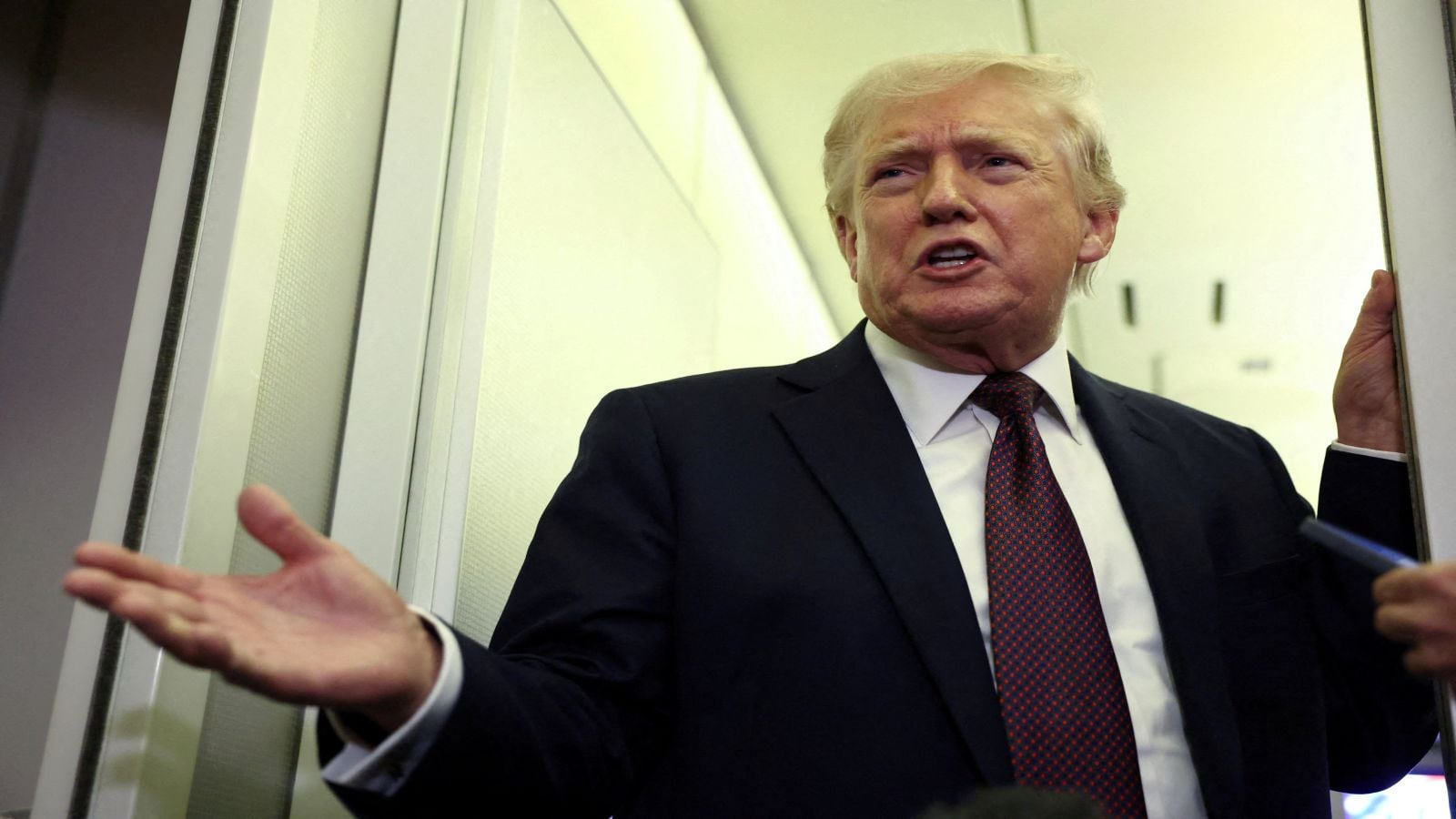
Donald Trump didn't hold back. In a phone conversation with the New York Times, the US president made it clear that Israeli Prime Minister Benjamin Netanyahu is proving to be a serious headache. Trump bluntly labeled the Israeli premier a "very difficult guy" and stated that Israel should be thankful for the newly brokered US-Iran peace framework. Without it, Trump claimed, Israel wouldn't last two hours if Tehran ever secured a nuclear weapon.
This public fracturing isn't just about harsh words. It marks a massive shift in a relationship that completely reshaped the Middle East over the last few months. The two leaders launched a joint military campaign against Iran in late February, but their core motivations have completely diverged. Trump wants a swift exit from an expensive conflict to secure a major diplomatic victory, while Netanyahu faces intense domestic pressure to keep fighting for total victory against Iran and its proxy forces in Lebanon.
The Boiling Point in the Oval Office
The frustration has been building behind closed doors for weeks. Trump recently admitted on the "Pod Force One" podcast that he previously called Netanyahu "effing crazy" during a heated phone call regarding Israel's military actions in Lebanon. According to leaked reports from US officials, Trump told Netanyahu that he was essentially saving his political career, reminding him that domestic and international support for Israel's military strategy was cratering.
The immediate trigger for Trump's latest public outburst was an Israeli airstrike on Beirut that occurred just hours before Washington was scheduled to announce the preliminary peace deal on Sunday. Trump expressed his rage to Axios, stating that Netanyahu showed terrible judgment by launching the strike at such a delicate moment. The operation delayed the formal signing of the framework by several hours, an interruption that visibly infuriated the American president.
A Peace Framework on Shaky Ground
Despite the friction, the US and Iran have finalized a memorandum of understanding to end the 107-day war in West Asia. According to Pakistani Prime Minister Shehbaz Sharif, the formal signing is set for Friday in Switzerland. The agreement introduces several sweeping changes to the region.
- The Reopening of the Strait of Hormuz: Trump announced on Truth Social that the strategic shipping lane will be cleared of naval mines, allowing the global flow of oil to resume immediately.
- The Naval Blockade Lifted: The US will end its maritime embargo against Iran as part of the initial truce conditions.
- A Sixty-Day Negotiation Window: The signing kicks off two months of intense diplomatic talks aimed at permanently curbing Iran's nuclear program.
Trump insists the deal will restrict Iran's uranium enrichment to strictly civilian levels, ensuring they can never develop a military nuclear capability. European allies—including Britain, France, Germany, and Italy—quickly issued a joint statement welcoming the framework and expressing readiness to lift economic sanctions in exchange for verifiable Iranian compliance.
Netanyahu Is Cornered at Home
In Jerusalem, the reaction to the American-led deal has been overwhelmingly negative. Mainstream Israeli politicians across the spectrum are furious, viewing the agreement as a strategic disaster that leaves Iran's regional influence intact. Center-left party leader Yair Golan publicly criticized the pact on X, arguing that it funnels billions back to Tehran while leaving its ballistic missile threat and nuclear infrastructure largely untouched. Former Prime Minister Ehud Barak went even further, stating that Netanyahu's attempts to manipulate Trump backfired completely, leaving Iran stronger and Israel weaker.
Netanyahu find himself trapped between an demanding American president and an angry domestic electorate. With Israeli elections looming by October, the prime minister cannot afford to look like an American puppet. During a press conference on Monday, Netanyahu tried to project strength by framing the conflict as a success, claiming that the 14,000 joint air sorties conducted by US and Israeli forces successfully pushed back Iran's nuclear ambitions. He emphasized that Israel is not a signatory to the agreement and vowed that he will continue to act independently to prevent a nuclear Iran, regardless of what Washington decides to do.
The Unresolved Lebanon Dilemma
The biggest flaw in the current peace framework is the status of Lebanon. When Israel invaded southern Lebanon in March to target Hezbollah, it displaced roughly one million people. Throughout the peace negotiations, Iran demanded that any deal to halt the wider war must include a complete withdrawal of Israeli forces from Lebanese territory.
Netanyahu claims he stood firm against this demand, and Defense Minister Israel Katz has reiterated that Israeli troops intend to maintain their positions in southern Lebanon. This stance creates an incredibly volatile dynamic. Trump is determined to keep the peace deal on track through the upcoming signing and major international events, meaning any future unilateral military actions by Israel in Beirut or southern Lebanon will strain the US-Israeli alliance to its absolute breaking point.
To navigate this rapidly shifting geopolitical landscape, observers need to watch how strictly the US enforces the Strait of Hormuz protocols over the next forty-eight hours, and whether Netanyahu moderates his military operations in Lebanon to avoid a total diplomatic isolation from Washington.