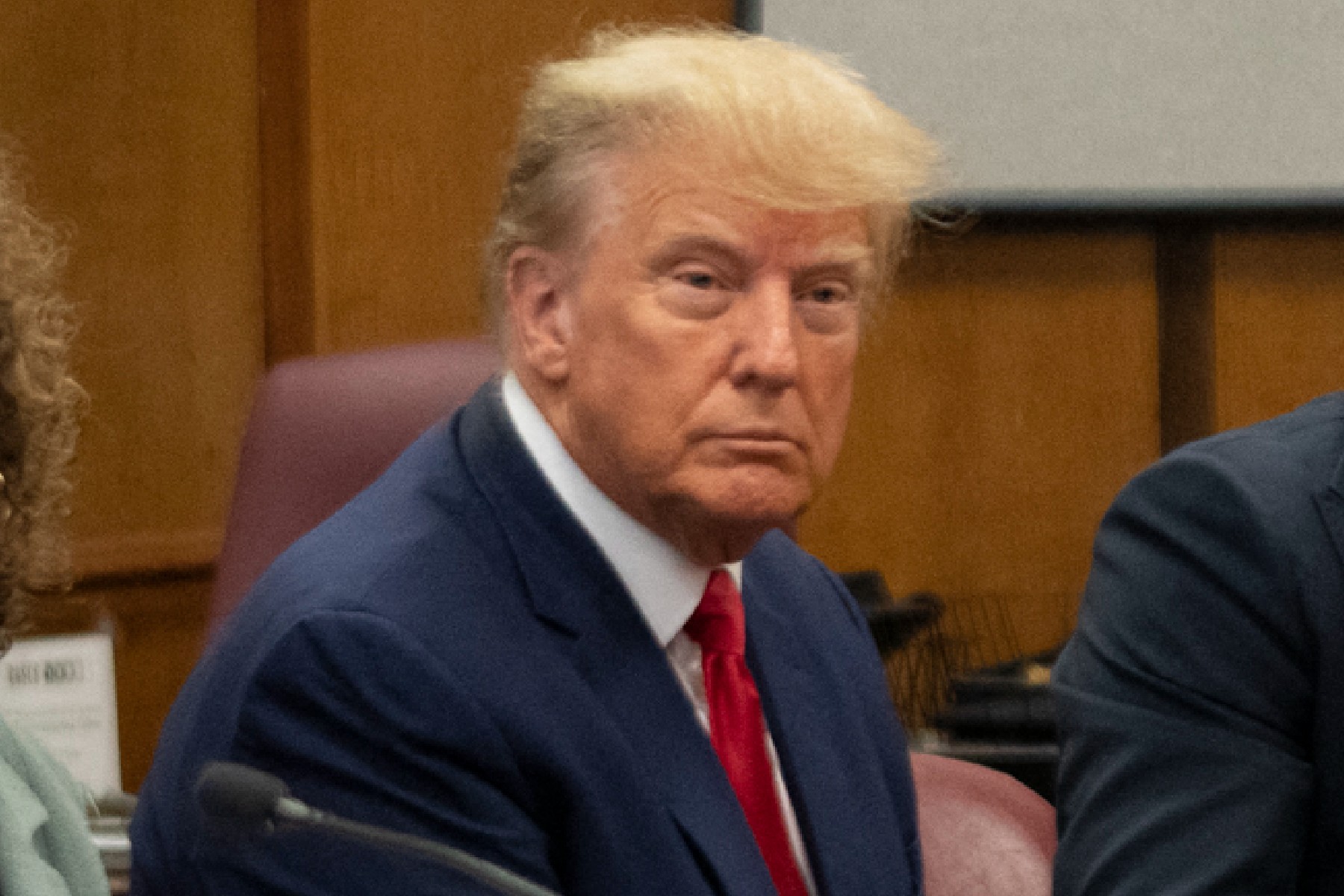
The tension that had the global energy market by the throat has finally eased. Donald Trump just announced a formal end to the military strikes against Iranian targets, signaling a massive shift from the brink of total regional war to a shaky, high-stakes diplomacy. He didn't just stop the missiles. He went on camera to declare that the Strait of Hormuz is now free. That’s a huge statement for anyone tracking oil prices or global shipping routes.
For weeks, the world watched the Persian Gulf with held breath. One wrong move by a drone or a destroyer could’ve sent crude prices to levels we haven't seen in a decade. But with this announcement, the immediate threat of a closed chokepoint seems to have evaporated. Trump’s approach here is classic Trump. He hits hard, then opens the door for a deal the moment the other side looks ready to blink.
The reality of a free Strait of Hormuz
When the President says the Strait is free, he isn't just talking about navigation. He’s talking about leverage. This 21-mile-wide waterway carries about 20% of the world’s petroleum liquids. If it stays open, the global economy breathes. If it closes, even for a few days, gas prices at your local pump skyrocket.
The end of these strikes means the U.S. believes it has achieved its immediate tactical goals. Whether that was degrading missile sites or sending a clear message about "red lines," the kinetic phase is over. Now we enter the phase of economic positioning. You have to look at the timing here. Markets were jittery. Logistics companies were rerouting ships around the Cape of Good Hope, adding weeks and millions of dollars to shipping costs. By declaring the Strait open, Trump is trying to force a return to "business as usual" while keeping the pressure on Tehran through non-military means.
Why the strikes stopped now
Military experts often argue about the effectiveness of "limited" strikes. Some say they just provoke more anger. Others believe they’re the only language certain regimes understand. It looks like the administration decided the point was made. I’ve seen this pattern before. The goal isn't necessarily to topple a government in one afternoon. It’s to change their math.
Iran’s leadership had to decide if continuing the escalation was worth losing more of their aging infrastructure. Apparently, the back-channel communications—likely through neutral parties like Oman or Qatar—suggested a de-escalation was possible. Trump hates "forever wars." He’s said it a thousand times. He prefers the threat of force over the actual long-term use of it. Ending the strikes now allows him to claim a win without getting bogged down in a multi-year desert quagmire that would've tanked his domestic polling.
The impact on global energy markets
Energy traders don't care about rhetoric. They care about supply. The moment the news broke, Brent crude and West Texas Intermediate (WTI) showed immediate movement. We aren't seeing a total crash in prices, but the "war premium" is definitely shrinking.
- Shipping insurance rates will likely drop.
- Tanker traffic through the Persian Gulf will return to normal volumes.
- Domestic fuel prices should stabilize within the next two weeks.
If you’re an investor, you’re looking at this and wondering if the volatility is truly gone. Probably not. The underlying tension between Washington and Tehran hasn't vanished. It just moved back to the shadows and the spreadsheets. But for now, the risk of a naval blockade in the most important waterway on earth has dropped significantly.
What the media is missing about the Hormuz declaration
Most outlets are focusing on the "no more bombs" part of the story. That’s the easy headline. The real story is the "free" part. By labeling the Strait of Hormuz as free, the U.S. is essentially daring Iran to interfere with a single commercial vessel. It sets a trap. If Iran so much as nudges a tanker now, they look like the aggressor in a peace process they supposedly agreed to.
It’s a psychological game. Trump is telling the world that he’s the one who restored order. He’s positioning himself as the guarantor of global trade. Honestly, it’s a smart play if you want to look like a peacemaker while keeping a massive carrier strike group parked just outside the horizon. The naval presence isn't going away. The rules of engagement have just been tightened.
Understanding the military footprint moving forward
Don't expect the Mediterranean or the Arabian Sea to go quiet. The end of active strikes doesn't mean a total withdrawal. The U.S. Fifth Fleet, based in Bahrain, is still going to be running patrols. They’ll just be doing it with their fingers slightly further away from the trigger.
The logistics of maintaining that kind of presence are staggering. We’re talking about thousands of sailors and airmen on constant alert. The cost of "peace through strength" is high, but the cost of a closed Strait of Hormuz is infinitely higher. I’ve talked to analysts who believe this "freedom of navigation" rhetoric is the precursor to a new maritime security framework. One where the U.S. isn't the only one footing the bill, but definitely the one calling the shots.
Navigating the new status quo
If you're running a business that relies on global supply chains, you can't just ignore the Middle East because the strikes stopped. The region remains a powder keg. However, the immediate "red alert" is over.
You should expect some lingering friction. Sanctions aren't going anywhere. Cyber warfare is the new front line. Just because missiles aren't flying doesn't mean hackers aren't busy. We’ll likely see an uptick in digital skirmishes as both sides try to save face and exert influence without triggering a kinetic response.
Watch the price of gold and oil closely over the next 72 hours. If they stay flat or continue to dip, the market believes the peace is real. If they spike on any small rumor, the trust isn't there yet.
Keep your logistics flexible. Don't cancel those alternative shipping routes just yet, but start looking at the cost-savings of returning to the Gulf. The window of opportunity to capitalize on lower energy prices is opening, and the smart money is already moving. Watch the official notices from the International Maritime Organization (IMO) for any changes in "High Risk Area" designations. That’s the real indicator of whether the world believes the Strait is actually free.


