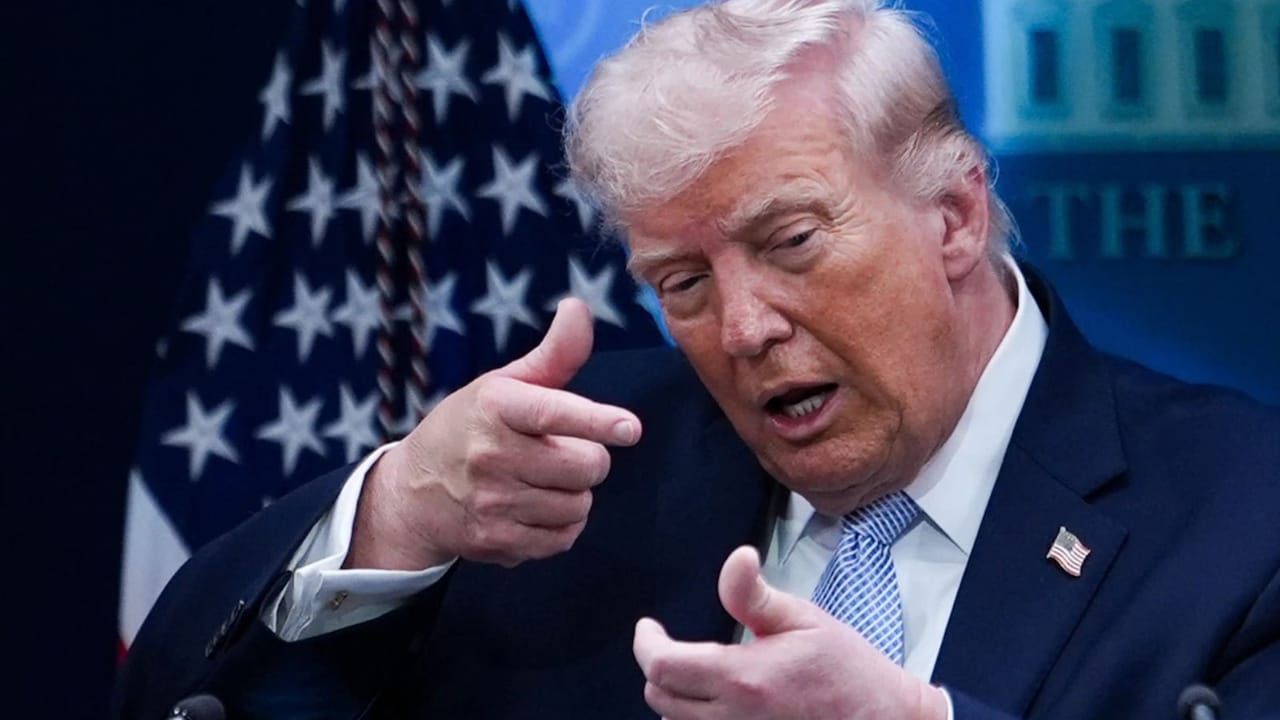
Donald Trump wants you to know two things about artificial intelligence. First, he plans to form a brand-new "AI Force" and appoint an official "AI czar". Second, he thinks all the widespread warnings about existential risks, rogue algorithms, and world-ending software are an absolute hoax.
It is a striking political paradox. How can you simultaneously dismiss safety alarms as a sick conspiracy and spin up a dedicated federal task force to oversee the very same technology? Don't miss our recent article on this related article.
If you look past the political posturing, the administration's stance is entirely calculated around global dominance, corporate competition, and a deep skepticism of tech industry motives.
Decoding the AI Hoax Claims
When Trump labels artificial intelligence fears a hoax, he is not arguing that the underlying tech is fake. He is targeting the apocalyptic narratives pushed by certain Silicon Valley insiders. Mainstream researchers and tech executives have spent months warning that superintelligent models could eventually slip human control, trigger catastrophic cyberattacks, or destabilize society. To read more about the history of this, Engadget provides an in-depth summary.
Trump rejects those dystopian forecasts outright. His position is rooted in economic nationalism. From his perspective, crying wolf about hypothetical extinction scenarios only serves to shackle American companies with heavy government red tape.
He views heavy regulation as a backdoor gift to foreign competitors, specifically China. If the United States slows down its own model training to satisfy safety watchdogs, Beijing takes the lead. That is a trade-off the White House refuses to make.
The Suspicion Behind Silicon Valley Safety Pleas
There is another layer to why the administration dismisses these warnings. Trump and his allies have frequently questioned why major tech CEOs are actively begging Washington to regulate them.
It sounds counterintuitive. Why would trillion-dollar corporations lobby for rules that restrict their own products?
The answer is simple: moats.
Compliance costs money. Massive compliance frameworks, mandatory safety audits, and bureaucratic licensing requirements are trivial for established tech giants to absorb. For smaller open-source startups or nimble competitors, those exact same rules can be fatal. By championing strict safety guardrails, dominant tech players can effectively pull up the drawbridge and lock out competition under the noble guise of protecting humanity.
Trump sees right through that strategy. He argues that nobody in the history of business has ever genuinely lobbied for regulations that drive them into bankruptcy. When tech leaders warn about the end of the world, this administration hears established monopolies trying to crush market rivals.
What the Proposed AI Force Actually Means
Despite calling the panic a hoax, Trump's decision to establish an "AI Force" and an "AI czar" proves the government isn't just walking away. The exact structure and statutory authority of this new force remain undefined, but the intent is clear.
Model development is moving too fast for the federal government to ignore entirely. Data centers are expanding at a historic rate, consuming staggering amounts of energy and turning into vital economic engines. Treating data centers as the oil of the next quarter-century means the state wants a seat at the table.
Expect the upcoming AI czar to focus heavily on infrastructure protection, energy grid capacity, and national security applications rather than philosophical debates over machine sentience. The goal is to secure American infrastructure against foreign intrusions, not to police science-fiction scenarios about rogue algorithms taking over the planet.
What Comes Next for Tech Policy
If you are building products or investing in the sector, stop waiting for federal oversight to slow down innovation. The administration's green-light approach means the race to scale frontier models will accelerate.
Companies will face fewer domestic hurdles, but they will also find less federal sympathy when things break. Cybersecurity vulnerabilities, autonomous system failures, and corporate data leaks will land squarely on private balance sheets.
The strategy is clear. Push hard, build faster than competitors, and let economic dominance override speculative doomsday warnings.
Trump calls AI fears 'hoax' but says he'll form 'AI force' & name 'AI czar'
This video provides a direct look at the administration's announcement regarding the new federal task force and the dismissal of safety alarms.