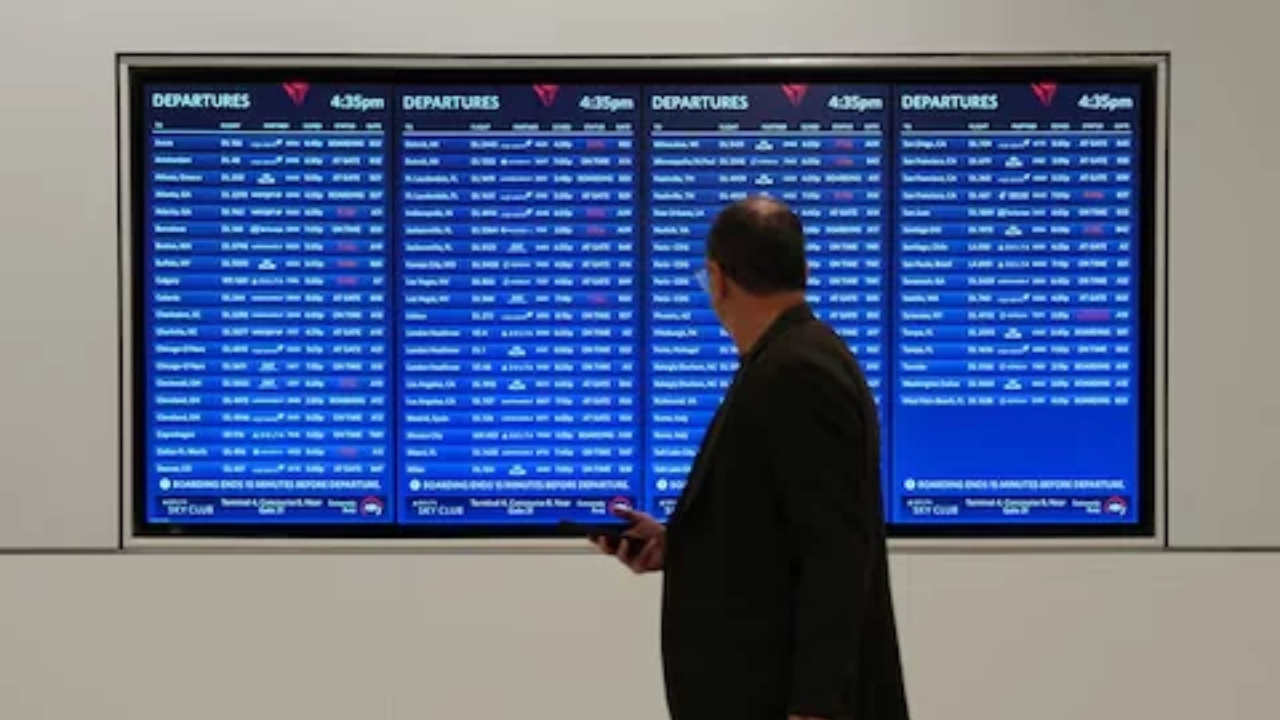
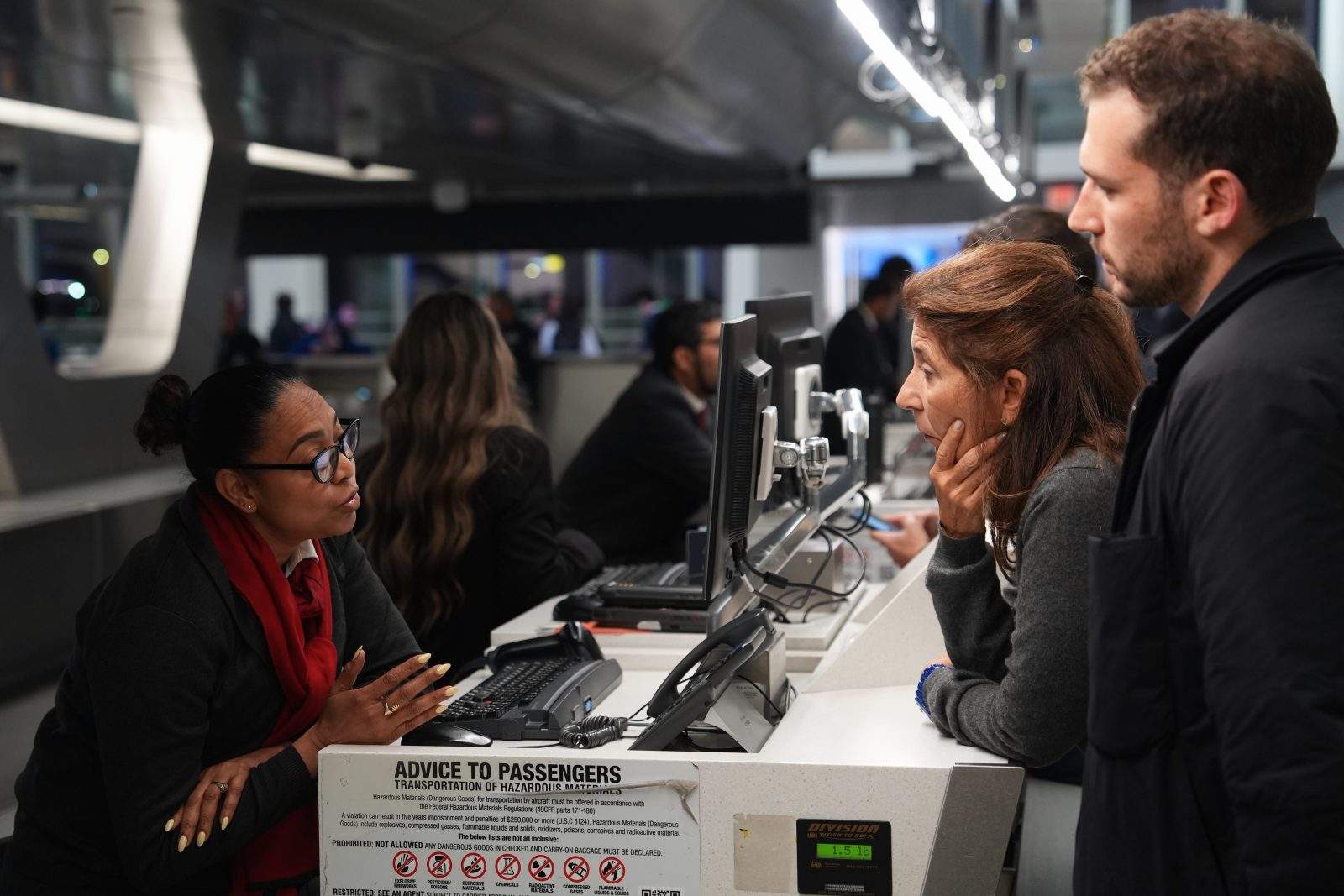
When the Federal Aviation Administration slaps a nationwide ground stop on commercial air traffic, chaos hits airport terminals within minutes. You see the departure boards flip to red. Gate agents suddenly stop making eye contact. Most passengers immediately assume a cyberattack, severe weather, or a massive mechanical failure is to blame, yet the reality behind an FAA ground stop is usually far more bureaucratic and deeply rooted in aging aviation infrastructure.
A nationwide pause on departures happened in January 2023 when the Notice to Air Missions (NOTAM) system failed, grounding over 10,000 flights across the United States. Similar regional and carrier-specific halts have popped up since then, including system outages affecting major airlines and air traffic control centers. While the FAA eventually lifts these orders and planes start pushing back from the gates, the ripple effects ruin travel plans for days. Understanding why the agency hits the emergency brake—and what actually happens behind the scenes once the order lifts—can save you from sleeping on a terminal floor.
What an FAA Ground Stop Actually Means
People throw around the terms "ground stop" and "ground delay" like they mean the same thing. They don't.
A ground delay program simply slows down the rate at which planes take off for a specific destination, usually because of bad weather or runway construction. You might sit at the gate for an extra forty minutes, which is annoying, but the system keeps moving. An FAA ground stop is a hard freeze. No aircraft meeting the criteria can take off, period.
Air traffic controllers at the Air Traffic Control System Command Center in Warrenton, Virginia, issue these orders when a specific sector of airspace, an airport, or a critical safety database becomes overwhelmed or compromised. If planes are already in the air when a ground stop hits, they don't fall out of the sky or immediately divert unless there's an immediate safety threat at their destination. Controllers safely land airborne flights while holding everything else on the tarmac.
Honestly, it's the safest move the agency can make. Aviation safety relies entirely on redundancy. When a primary communication tool or safety alert database goes offline, controllers lose one of their safety nets. Rather than guessing or relying on workarounds during peak traffic, the FAA freezes departures until the backup or primary system passes verification.
Why US Flights Get Grounded Without Warning
If you look closely at major US ground stops over the past few years, a clear pattern emerges. Weather causes localized stops every single day, especially during summer thunderstorm season in the Midwest or winter blizzards in the Northeast. Those are predictable. The massive, headline-grabbing halts almost always trace back to technology failures or staffing shortages.
Aging Legacy Systems Like NOTAM
Take the infamous NOTAM outage. Before every single flight, pilots are legally required to review Notices to Air Missions. These alerts warn flight crews about closed runways, broken taxiway lights, temporary flight restrictions, or flocks of birds near an airport.
For decades, the NOTAM database ran on 1980s-era software architecture. When a contractor accidentally deleted damaged files while working to synchronize a live database and a backup database, the entire system corrupted. Without active NOTAMs, pilots couldn't legally verify their flight paths. The FAA had no choice but to issue its first nationwide ground stop since September 11, 2001. Even though the FAA has spent millions modernizing this database since then, aviation tech still relies heavily on legacy mainframes that don't always play nicely with modern cloud patches.
Airline-Specific IT Meltdowns
Sometimes the FAA issues a ground stop at the request of an airline itself. You've probably seen this happen when a major carrier's internal dispatch or weight-and-balance software crashes.
In 2024, the global CrowdStrike software update glitch forced major US carriers like Delta, United, and American Airlines to request immediate FAA ground stops. The planes were mechanically fine. The pilots were ready. Air traffic control radar worked perfectly. Yet airlines couldn't calculate fuel loads, track crew schedules, or issue passenger manifests. When an airline loses operational control of its fleet, it asks the FAA to legally hold its planes at the gate so aircraft don't get stranded at airports without ground crews or gates available.
Air Traffic Controller Bottlenecks
Staffing shortages at key radar facilities also trigger sudden halts. Facilities like the Jacksonville Air Route Traffic Control Center or the New York TRACON handle massive volumes of East Coast traffic. If a few controllers call out sick on a busy Friday afternoon, the remaining staff cannot safely monitor the sheer number of planes entering their airspace. The FAA will abruptly pause departures headed into that sector to keep the workload within strict safety limits.
Why Lifting the Ground Stop Doesn't Fix Your Flight
The news alerts always sound triumphant when the FAA announces a ground stop has been lifted. Travelers hear that and assume their flight will board in ten minutes. That's a massive misconception.
Lifting a ground stop just opens the valve; it doesn't clear the clog. Aviation operates like a tightly choreographed relay race where planes, pilots, and flight attendants move from city to city on rigid schedules. When you freeze that system for two or three hours, the entire schedule fractures.
- Crew timeouts: Federal law strictly limits how many hours pilots and flight attendants can work in a single day. If a crew sits on a tarmac waiting for a ground stop to lift, their duty clock keeps ticking. The moment the FAA clears the skies, your pilots might legally "time out," forcing the airline to cancel the flight anyway while they hunt for a reserve crew.
- Gate gridlock: Planes already in the air land during a ground stop, taking up arrival gates. Meanwhile, departing planes are stuck occupying the remaining gates. Soon, incoming flights have nowhere to park, leaving passengers trapped on the tarmac for hours even after the official order ends.
- Displaced aircraft: An airplane scheduled to fly from Chicago to Denver, and then from Denver to Seattle, never leaves Chicago. Now hundreds of people in Denver and Seattle are stranded without an aircraft, creating a domino effect that takes airlines two to three days to untangle.
What You Should Do the Second a Ground Stop Hits
If you're sitting at an airport terminal and hear the words "ground stop," waiting patiently in line at the customer service desk is the worst move you can make. By the time you reach the front of that line, every seat on the remaining flights for the next two days will be gone.
Grab your phone immediately. Open the airline's mobile app while simultaneously calling their customer service line. While you wait on hold, use the app's self-service rebooking tool to lock in a seat on the next available flight, even if it's the following morning. You can always change it later if an earlier option opens up, but securing a confirmed seat before the masses react is everything.
Check alternative nearby airports too. If you're stuck trying to fly into Newark, ask the agent to switch you to LaGuardia or JFK. If Washington Reagan is frozen, look at Dulles or Baltimore. Airlines routinely waive change fees during widespread FAA halts, giving you flexibility you wouldn't normally have on a basic economy ticket.
Pay close attention to the official reason for the delay, because it determines whether the airline owes you money. Under Department of Transportation rules, if a ground stop stems from weather or air traffic control staffing, airlines treat it as an event outside their control. You won't get meal vouchers or a hotel room. However, if the ground stop happened because the airline's own IT system crashed, that's a controllable delay. Push the gate agent for meal vouchers, hotel accommodations, and ground transportation, or submit your receipts directly through the airline's reimbursement portal afterward.
Don't blindly trust the departure time listed on the terminal monitor during a ground stop either. Airlines frequently push departure times back in rolling 30-minute increments just to keep passengers near the gate area. Use a free flight-tracking app like FlightAware to check the status of your specific incoming aircraft. If your plane hasn't even taken off from its previous city yet, you know for a fact you aren't boarding anytime soon, giving you time to grab actual food or find a quiet corner with a power outlet before the terminal descends into chaos.