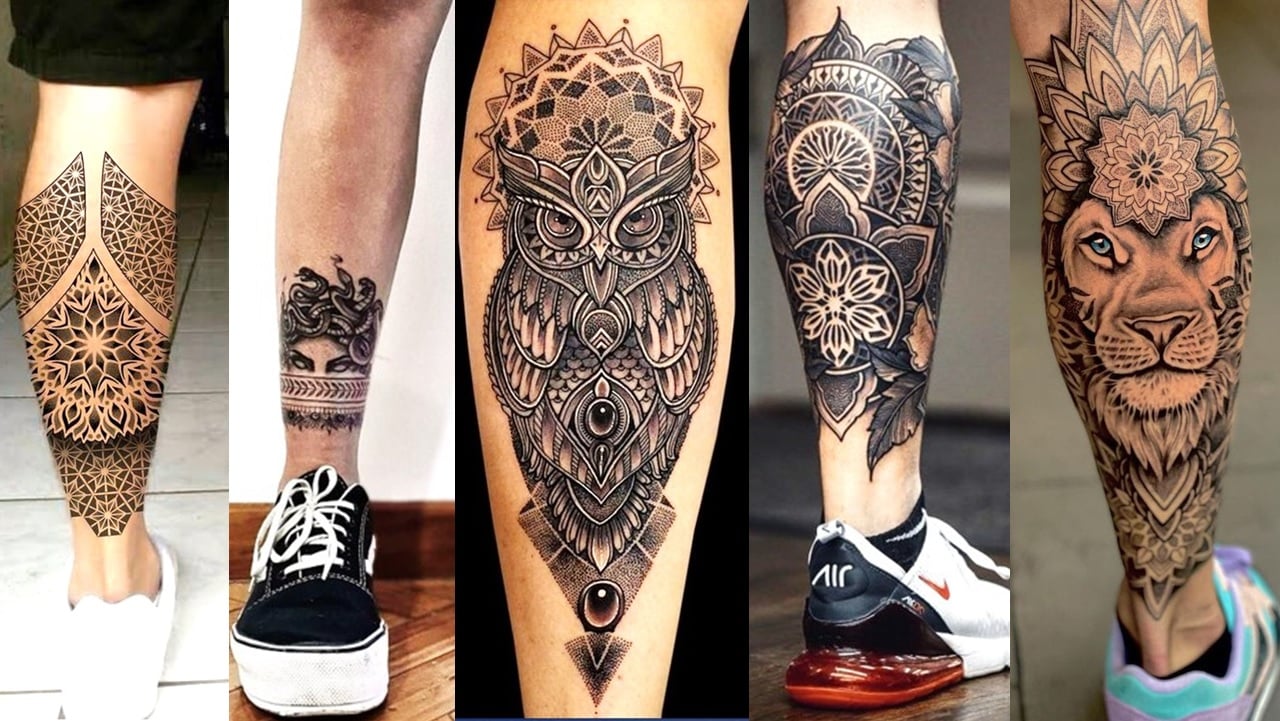
Walk into any high-end tattoo shop from Brooklyn to Berlin and you’ll see the same thing. Bold black lines. A limited palette of primary reds, yellows, and greens. Flash sheets on the walls featuring panthers, daggers, and pin-up girls. It’s funny because, in an age where we can literally "print" hyper-realistic portraits onto skin, traditional tattoos for men are more popular than they were fifty years ago. People call it "American Traditional" or "Old School," but basically, it’s just the stuff that never dies.
It works. It's that simple.
The Sailor Jerry Legacy and Why It Sticks
You can't talk about this style without mentioning Norman "Sailor Jerry" Collins. He’s the undisputed heavyweight champion of the genre. Based in Honolulu, Collins took the technical precision of Japanese tattooing and mashed it together with the gritty, seafaring imagery of the American Navy.
The aesthetic wasn't born out of some high-brow art movement. It was born out of necessity. In the 1940s, tattoo machines were loud, clunky, and nowhere near as precise as the silent, rotary pens artists use now. Pigments were also limited. You couldn't just order a hundred shades of "sunset mauve." You had black, red, and maybe a dusty green.
Because the tools were basic, the designs had to be simple. This is what we call "Bold Will Hold." If you make the lines thick and the shading heavy, that tattoo is going to look like a tattoo thirty years from now. Fine-line micro-tattoos? Those often turn into a blurry smudge within a decade. But a traditional eagle? That thing is going to look solid when you’re eighty.
What Makes It "Traditional"?
It’s not just any old drawing. There are rules, though some modern artists are starting to bend them.
- The Black Outline: It’s usually thick. Like, Sharpie-thick.
- The Color Palette: Traditionally, it’s just red, yellow, green, and brown. Some artists add blue, but the "classic" look stays warm.
- Skin Gap: This is huge. You need "negative space"—bits of un-inked skin—to let the design breathe. If it’s too crowded, it just looks like a bruise from a distance.
Why Men Are Doubling Down on the Classics
There's something inherently masculine about the imagery. We're talking about symbols of survival, grit, and bad luck turned good. Take the "Man’s Ruin" tattoo. It’s a classic image of a woman surrounded by booze, cards, and dice. It’s a cautionary tale, honestly. It’s about the things that can take a man down.
Then you’ve got the maritime stuff. The Nautical Star was meant to guide a sailor home. The Swallow represented 5,000 miles traveled at sea. The Hula Girl? Well, that was usually a souvenir from a stint in the Pacific.
Today, guys aren't necessarily sailing the Seven Seas or fighting in the Pacific Theater. But the sentiment remains. We like things that feel permanent in a world that feels increasingly temporary. When everything is digital and fleeting, having a heavy, saturated piece of folk art on your forearm feels like an anchor. It’s tangible.
Choosing Your First Piece: Avoiding the Clichés
If you’re looking into traditional tattoos for men, you might feel overwhelmed by the "iconography." You don't want to look like a walking Pinterest board.
The trick is finding an artist who understands "reimagined traditional." Check out guys like Bert Grimm or modern legends like Smith Street Tattoo in Brooklyn. They take those 100-year-old designs and give them a bit more life.
The Panther: It’s a staple. Usually "crawling" up the arm. It represents power and often conceals older, worse tattoos because it’s so black. The Dagger through the Rose: It’s about the duality of life—beauty and pain. Kinda cliché? Maybe. But it looks incredible if the shading is right. The Clipper Ship: This is the "big" piece. If you’ve got the real estate on your back or chest, a full-rigged ship is the ultimate flex.
Common Misconceptions About the "Old School" Style
One thing people get wrong is thinking traditional tattoos are "easy." "Oh, it's just lines and flat color," they say. Actually, it’s the hardest style to hide mistakes in. In a hyper-realistic tattoo of a lion, you can smudge a hair or a shadow and nobody will notice. In a traditional piece, if that circle isn't round or that line wobbles, it’s visible from across the street. There is nowhere to hide.
Another myth? That they have to be small. While "flash" (the pre-drawn art on shop walls) is often palm-sized, traditional bodysuits are some of the most cohesive looking tattoos out there. Because the style is consistent, you can get twenty different tattoos from ten different artists over ten years, and they will still look like they belong together. You can’t really do that with "watercolor" tattoos or "tribal" stuff.
The Practical Side: Pain and Healing
Let’s be real. Traditional tattoos hurt a bit more. Why? Because the artist is using a larger needle grouping to get those thick lines. They’re also packing the color in tight to ensure it stays vibrant. It’s a more aggressive process than the light "pepper-shading" you see in black-and-grey realism.
But the upside is the healing. Because the designs are "open" with plenty of skin gap, they tend to heal very cleanly. Just don't pick the scabs. Seriously. You’ll pull the ink right out of those thick lines and end up with a "holidays"—those annoying little white gaps in the black.
How to Spot a Good Traditional Artist
Don’t just go to the shop down the street because they have a neon sign. Look at their portfolio. Specifically, look at their linework. Are the lines "crispy"? Do they look like they were pulled in one smooth motion, or do they look "hairy" or shaky? Check the saturation. The black should look like midnight. If it looks like a watery grey, keep walking. Also, ask to see healed photos. Every tattoo looks great the second it’s finished and covered in ointment. The real test is how it looks six months later once the skin has settled.
Making It Yours
You don’t have to get a carbon copy of a 1920s flash sheet. Many men are now opting for "Neo-Traditional." This takes the core principles—bold lines, heavy saturation—and adds more complex color gradients and diverse subject matter. You want a traditional-style tattoo of a Darth Vader helmet or a slice of pizza? Go for it. The "rules" are more like guidelines these days.
Ultimately, traditional tattoos for men are about a connection to the past. It’s a way of wearing history. When you get a piece like this, you’re joining a lineage that includes soldiers, sailors, circus performers, and outlaws. It’s a club that’s been around for over a century, and it’s not closing its doors anytime soon.
Your Next Steps for Getting Inked
If you're ready to commit to the old-school look, start by researching the history of American Traditional artists in your specific region to find someone who specializes in "heavy-handed" work.
- Browse the Archives: Look up the "Lyle Tuttle Tattoo Museum" or digital archives of "Pinky Yun" and "Percy Waters" to see the raw, original designs before they were modernized.
- Consultation is Key: Book a 15-minute sit-down with an artist. Ask them how they handle "line weights." If they don't know what you're talking about, they aren't a traditional specialist.
- Start with a "Gap Filler": If you already have tattoos, traditional pieces like small cherries, dice, or sparks are perfect for filling the awkward spaces between larger pieces.
- Check the Ink: Ask if they use high-carbon black inks. This is what gives traditional tattoos that "deep" look that resists fading into a dull blue or green over the decades.
- Placement Matters: For your first piece, stick to the "outboard" parts of the body—outer arm, calf, or shoulder. These areas have tougher skin that takes the heavy traditional needles much better than the sensitive "inboard" areas like the inner bicep or ribs.
Focus on the "boldness" of the design over the intricacy. A tattoo that is readable from ten feet away is the hallmark of a successful traditional piece.