When you board an 11-hour flight across continents, you expect strict protocols to protect you. Airline regulations typically make sure pilots don't eat the same meals before or during a flight. That rule exists for a clear reason. If one gets food poisoning, the other stays healthy and keeps the plane safe.
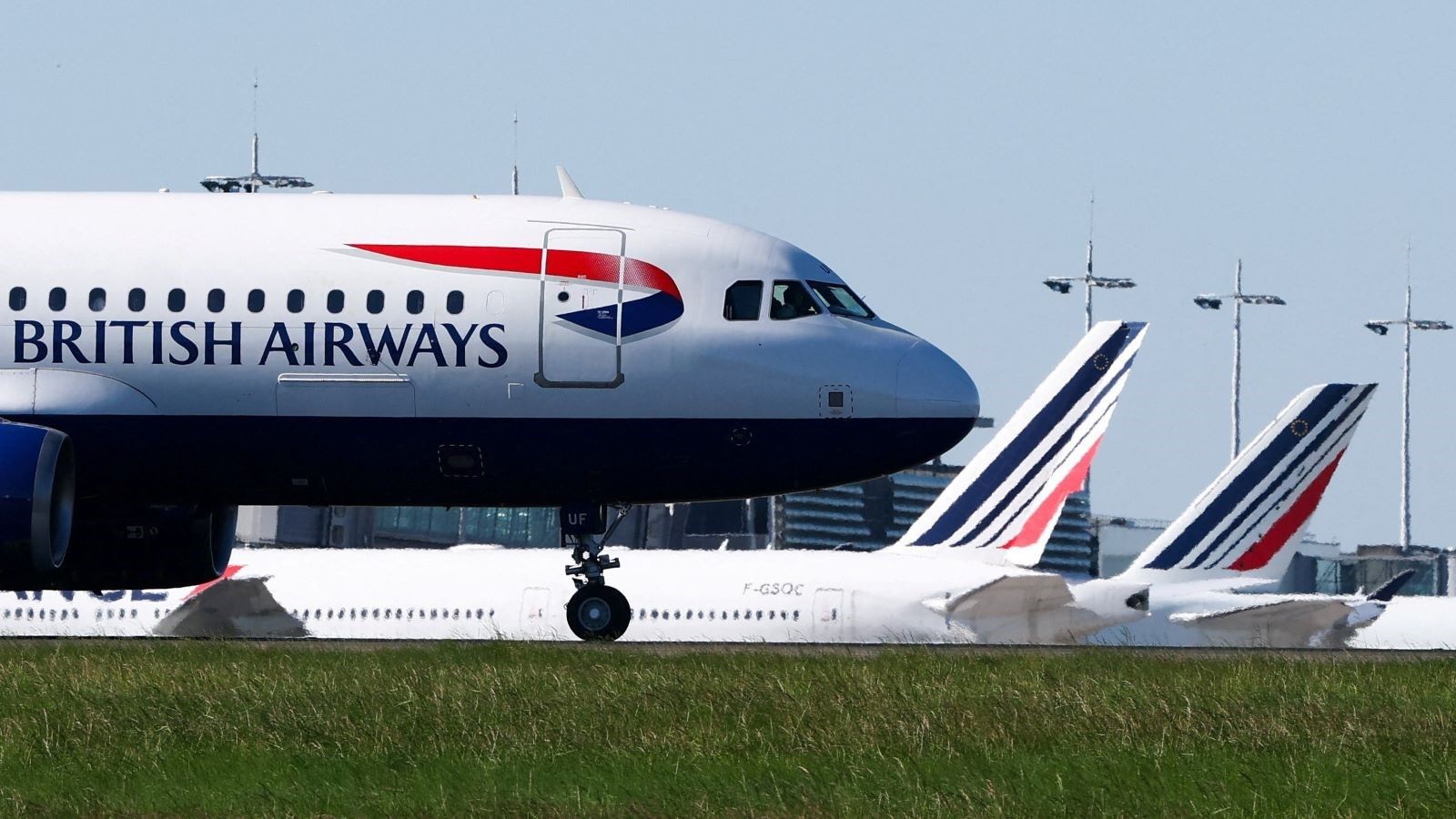
That safety net broke down on a recent British Airways Boeing 777 flying from Hyderabad to London Heathrow.
Flight BA276 turned into a tense medical situation at 30,000 feet. All three pilots on the flight deck came down with severe food poisoning mid-air. One first officer suffered symptoms so severe that he was rendered completely incapacitated, requiring supplemental oxygen in the cockpit. He was later rushed to the hospital after landing in London.
The remaining two pilots were also experiencing worsening symptoms throughout the journey. They managed to navigate the long-haul route and touch down safely in London, but their conditions deteriorated significantly right after landing.
This was a terrifying scenario that mirrors a plot straight out of a disaster movie. It highlights real vulnerabilities in crew layover management that the aviation industry can't afford to ignore.
What Triggered the Cockpit Sickness on Flight BA276
The exact source of the contamination is currently being investigated by medical professionals and airline staff, but early details pinpoint the layover in India. Before taking off from Hyderabad, the three pilots shared breakfast together at their hotel club lounge. They also drank packaged bottled water supplied by an external vendor.
Airlines usually enforce split-meal rules on board the aircraft. Captains and first officers receive completely different inflight menu items so that contaminated fish or chicken won't knock out the entire crew simultaneously.
That rule falls short on the ground. When pilots eat together during overnight layovers, the safety buffer disappears. If every qualified pilot on the plane eats from the same buffet or drinks from the same batch of bottled water before step-in, the inflight firewall is already compromised before takeoff.
The British Airline Pilots' Association had previously lodged complaints regarding hygiene standard concerns at the specific hotel used for crew accommodation in Hyderabad. Those warnings didn't stop the incident from happening, prompting furious demands from union representatives for immediate accountability.
How Cockpit Teams Handle Inflight Incapacitation
Flight safety relies heavily on crew resource management. Modern commercial long-haul aircraft like the Boeing 777 operate with augmented crews. Having three pilots on board allows for scheduled rest rotations during extended cruising hours.
When a pilot becomes incapacitated at cruising altitude, strict protocol takes over:
- The healthy pilot takes immediate physical control of the aircraft.
- The sick pilot is removed from the controls, provided oxygen, and monitored.
- The remaining crew assesses whether an emergency diversion is required based on medical severity and remaining crew capability.
In the case of Flight BA276, two pilots remained conscious and capable enough to fly, keeping the aircraft on course to Heathrow. BA stated that flight safety was not compromised at any point during the journey.
That statement doesn't change how close the situation came to a critical point. Had the other two pilots' symptoms hit maximum intensity just two hours earlier while still over remote airspace, the flight deck could have faced a complete operational failure.
Fixing the Gaps in Crew Care Protocols
British Airways launched an urgent investigation into the event and confirmed it is actively reviewing crew accommodation in Hyderabad. The three pilots filed Air Safety Reports and submitted medical samples to isolate the specific pathogen involved.
Solving this vulnerability requires changes that go beyond inflight meal policies:
- Staggering crew meals during ground layovers so pilots do not eat identical food at hotel buffets.
- Mandating independent water testing and pre-approved dining options for crew stays in high-risk locations.
- Acting faster on union hygiene complaints to swap out substandard hotel contracts before an incident occurs.
Airlines must treat ground-level crew welfare with the same rigorous scrutiny they apply to cockpit maintenance. When layover hygiene fails, safety in the skies hangs by a thread.